In depth: baby carriers explained
BabyGearLab scores the One, Tula and Omni 360 within nine points, and the split sits in cleaning
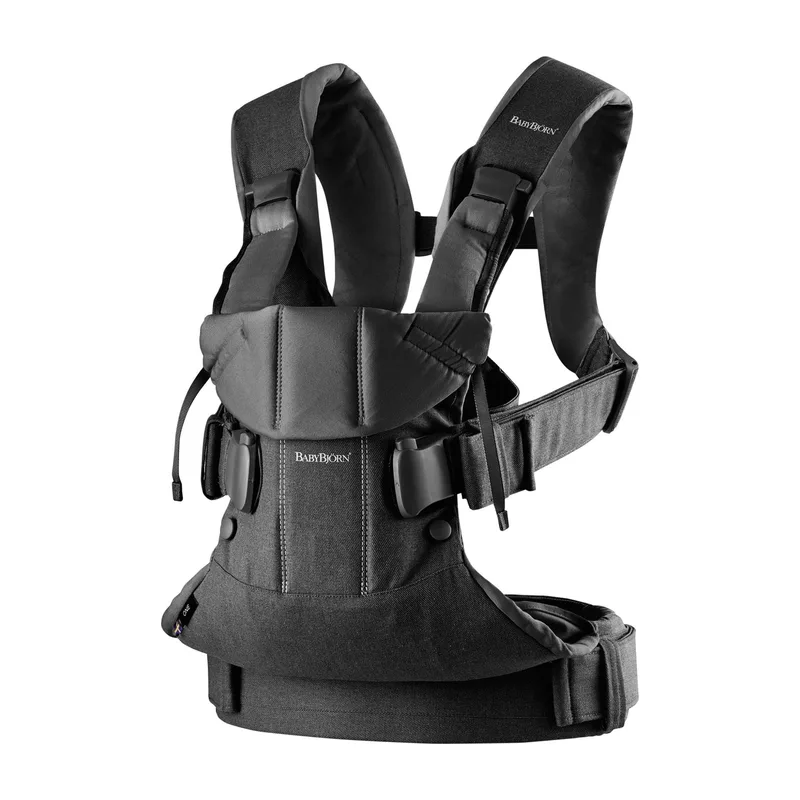
BabyGearLab's August 2025 comparison scores the BabyBjörn One 71, the Tula Free-to-Grow 70 and the Ergobaby Omni 360 62, each out of 100. Its four sub-scores run to 10: parent comfort, ease of use, child comfort and ease of cleaning. The One gets 9, 7, 6 and 3; the Tula gets 9, 5, 7 and 6; the Omni gets 6, 7, 6 and 5. The One and the Tula tie on parent comfort, so the one-point gap comes from elsewhere, and the sub-scores add up to 25 for the One, 27 for the Tula and 24 for the Omni. That means the overall score is not a plain sum of the four, and the page does not set out how the total is built.
What the numbers say in plain terms: the One and the Omni tie on ease of use at 7, the One is hardest to clean at 3, the Tula is easiest to clean at 6 but hardest to use at 5, and the Omni is rated lower for parent comfort. BabyGearLab's pros and cons lists agree. It praises the One's adjustable seat width and easy loading, and lists synthetic materials and harder cleaning against it. It praises the Tula for long-term use and customised fit, and lists limited positions and harder use against it. It credits the Omni with easy cleaning, sturdy fabric and multiple positions, and lists cost, poor instructions and lower comfort as drawbacks.
Mother&Baby's page for the BabyBjörn Carrier One draws on parent reviewers for its 2016 awards and records mixed experiences: padded straps and quick front-to-back switching on one side, hard to put on without help and stiff for larger babies on the other. It dates from about a decade ago and the retailer says the latest version is softer, with a wider maximum seat and a higher head support, so it is background, not evidence for the carrier on sale now.
The Tula and the Omni 360 differ by £28.29 and one carry position
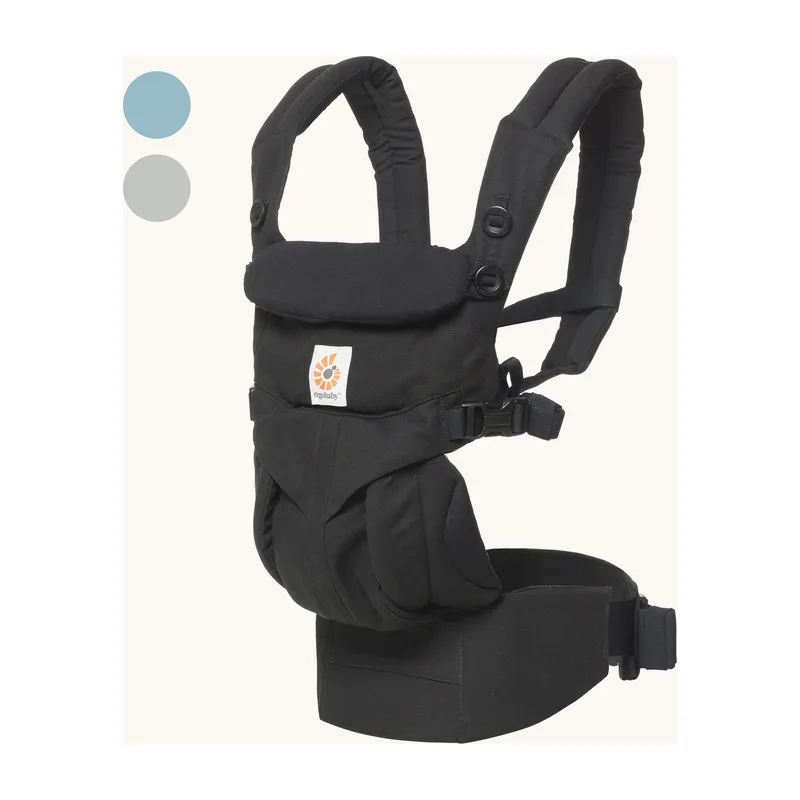
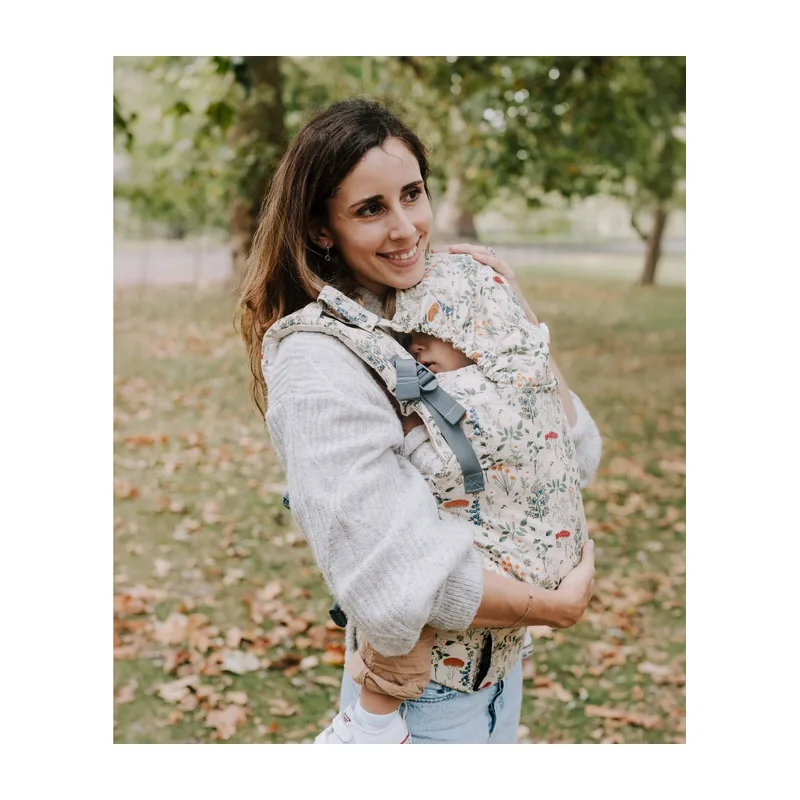
On paper the Tula Free-to-Grow and the Ergobaby Omni 360 Cotton are close. Babipur quotes 3.2 to 20.5 kg for the first and 3.2 to 20.4 kg for the second, and both are listed from birth, with the Omni described as needing no infant insert. The Tula costs £111.92 and the Omni £140.21 on 17 November 2026.
The Omni's extra money buys a forward-facing option, slider buckles for switching between positions, a UPF 50+ hood, a padded lumbar support and a detachable front pouch, all from the Babipur text. The Tula's listing counts a removable hood, a front pocket on the hip belt and a carrier weight of 0.8 kg. Neither listing gives the other's weight or the full set of features, so a direct feature count would be unfair.
BabyGearLab's scores favour the Tula by eight points, with parent comfort at 9 against 6 the biggest gap, and it favours the Omni on ease of use, 7 against 5. A reader who values being able to switch quickly between facing in and facing out has a real reason to pay the extra. A reader who mostly carries baby facing in and wants the longest range and the lower price has a reason to choose the Tula, which is how our ranking goes.
A newborn carrier and a toddler carrier are two different purchases
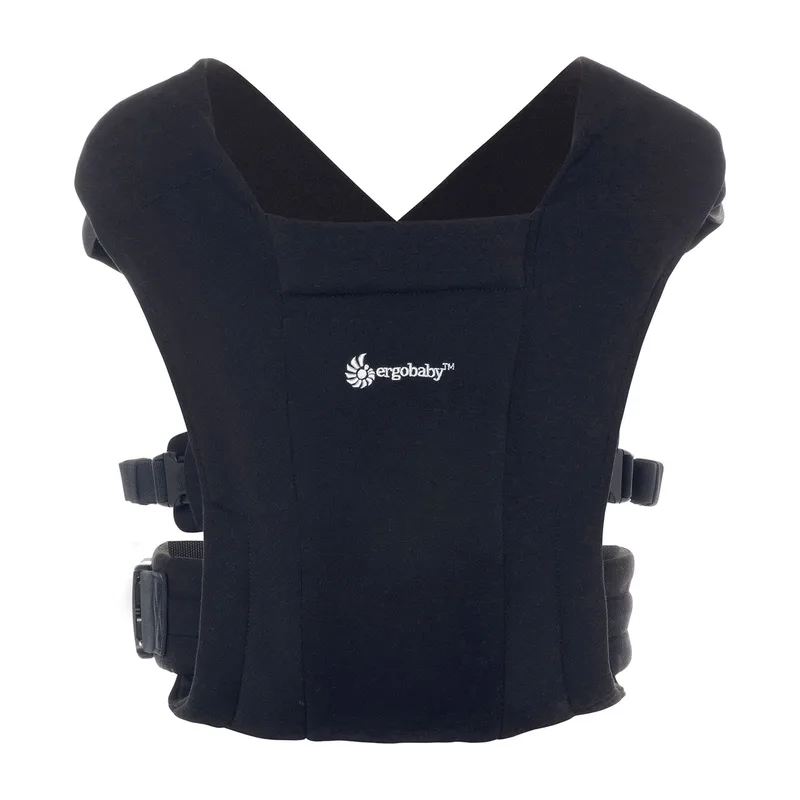
The Ergobaby Embrace is the only listing built for the first year: 3.6 to 11.3 kg, 0 to 12 months, a carrier weight of 0.76 kg and a soft knit fabric. At £99.90 it is the cheapest carrier here, and it is £12.02 below the Tula. But its span of 7.7 kg is less than half of the Tula's 17.3 kg, so the price per kilogram of range is highest, at £12.97 against £6.47.
Put differently, buying the Embrace and then a toddler carrier would cost £99.90 plus another purchase, so even a second carrier at the Tula's £111.92 would take the total to £211.82, which is £99.90 more than buying the Tula alone. Against that, the Embrace is the lightest carrier whose weight is listed, and it is the only one that does not claim to cover toddlers. If you will use a different carrier from twelve months anyway, or borrow one, the first-year price is the reason to pick it.
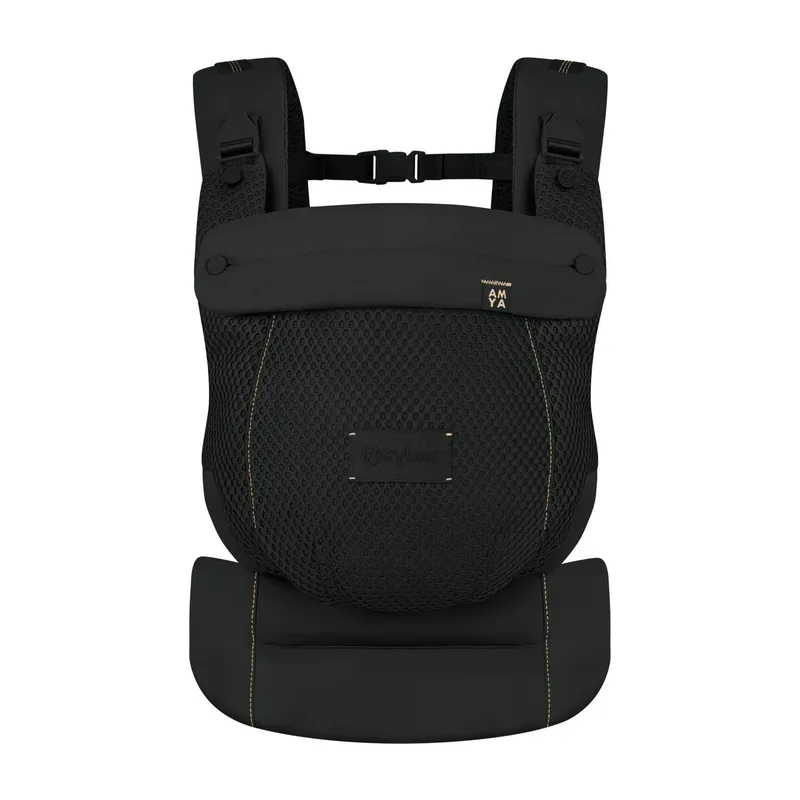
The Carrier One and the Cybex Amya sit in the middle at 15 kg, both quoting up to three years. Neither reaches the 20 kg of the Tula, Omni and Boba. Between them, the One adds a stated rule for facing out up to 12 kg and the Amya adds a count of four carry positions.
Checking the retailer matters as much as checking the carrier
Every price here comes from one of two independent UK retailers: Babipur for the Tula, Omni 360 and Boba X, and Mamas & Papas for the Carrier One, Amya and Embrace. We could not read John Lewis product pages in full and did not check Argos or Currys, so a cheaper price may exist where we did not look.
The stock position of each carrier is set out in the buying guide. What matters here is that the same model name can sit behind different prints and fabrics, so the page you buy from should name the exact variant, and the price in the basket should match the listing before you pay.
Check delivery time and returns before buying a carrier you cannot try on. The listings we read do not state a return window, and that gap is worth closing with the shop, because fit depends on the wearer's frame as well as the baby.
Buying guide: choosing the right baby carrier
Weight range tells you how long a carrier lasts, and the gap is 9.2 kg
Among the best baby carriers here, the spread in how much weight each one takes is wider than the spread in price. The Ergobaby Embrace stops at 11.3 kg. The Tula Free-to-Grow goes to 20.5 kg. That is 9.2 kg of difference between the narrowest and widest listings at the top end, and the Embrace's own range starts at 3.6 kg, so its usable span is 7.7 kg against the Tula's 17.3 kg. The BabyBjörn Carrier One sits between at 15 kg, with a 11.5 kg span.
A kilogram of range costs £6.47 on the Tula, £8.15 on the Ergobaby Omni 360 Cotton, £9.09 on the Boba X, £11.41 on the Carrier One and £12.97 on the Embrace. The Cybex Amya says about 0 to 15 kg, which cannot be priced per kilogram because a lower limit of zero is not a real figure. If you only want a carrier for the newborn months, the narrower models make sense, and the Embrace is built for exactly that, with its 0 to 12 months label. If you want to carry a toddler who can walk but tires after twenty minutes, the Tula, Omni 360 and Boba X all quote 20 kg or more, and the Carrier One and Amya do not.
This is where a cheap carrier gets expensive. Buying the Embrace at £99.90 and later a second, wider carrier costs more than buying the Tula once at £111.92. The Embrace only wins if you are sure you will stop by the end of the first year, or if a lighter carrier for the first months is the specific point.
Forward facing is a feature with conditions, not a free upgrade
Three of the six listings name facing away from you, and each sets its own limits; the Amya's four positions are not named. The BabyBjörn Carrier One allows facing out from five months and up to 12 kg, and back carry from twelve months. The Ergobaby Omni 360 Cotton allows it from 13 to 22 lb, roughly 5.9 to 10 kg, for short periods only, and says baby should not sleep while facing outwards. The Ergobaby Embrace lists facing out among its two positions but gives no age or weight condition in the text we read.
The Tula Free-to-Grow and the Boba X do not offer it in the listings. The Babipur text for the Tula repeats the brand's answer that the carrier is designed for the most natural position, facing the parent on the front or back. That gives you fewer decisions, but it also means a baby who dislikes being held close to your chest has nowhere else to go. BabyGearLab marked the Tula down for limited positions, which matches what the listing says.
If you expect to want outward-facing on a regular basis, the Carrier One's rule is the clearest: five months and 12 kg in front-facing mode, and the age and weight are stated by the retailer. If you only want it for the odd walk, the Omni 360's short-period wording fits that use. A carrier with no forward position, such as the Tula, is a poor fit if you already know baby wants to see the street.
A £50 spread in price buys less than the headline suggests
The six carriers cost between £99.90 and £149.95, a gap of £50.05, and the average is £123.53. Four of them fall between £99.90 and £131.18. The two that cost most, the Omni 360 Cotton at £140.21 and the Boba X at £149.95, both carry to about 20 kg, but only one of them has a BabyGearLab score.
The comparison that matters is between the Tula and the Omni 360. Both quote almost the same range, 3.2 to 20.5 kg and 3.2 to 20.4 kg. The Omni costs £28.29 more, which is 25% extra over £111.92. For that you get a forward-facing option and a fabric the listing describes as 100% cotton, but BabyGearLab scored the Tula eight points higher. If forward facing is not a priority, the extra £28.29 is difficult to justify on this evidence.
The Boba X is the hardest case. At £149.95 it costs £38.03 more than the Tula for slightly less range, no independent score and no forward-facing option, so the extra money buys nothing the listing quantifies. It is not a bad carrier on paper; it simply gives you less for the money than the carriers ranked above it. A reader with a particular reason to prefer it, such as a wider seat range of 20 to 53 cm, may still choose it.
The fabric listing matters more than the fabric when you have to wash it often
Babies and carriers get dirty, and only the Tula tells you how to wash its carrier: cold water, mild detergent, air drying, and not too often. The Omni 360 Cotton, Boba X and Embrace say machine washable but give no temperature. The Carrier One and the Cybex Amya give no washing instructions in the listings we read at all.
BabyGearLab's cleaning marks fit that pattern for the three it covers: 6 out of 10 for the Tula, 5 for the Omni 360 and 3 for the Carrier One, whose main fabric is 65% polyester and 35% cotton. The reviewer lists synthetic materials and harder cleaning as the Carrier One's drawbacks, and the Omni 360's easy cleaning as a pro, so the tester's marks and the pros lists do not line up perfectly. Treat that as a reason to check the care label, not as a final answer.
If you expect to wash weekly, a listing that names a temperature is worth more than the ones that do not, because you can match it to your machine. The Tula is the only one that does so, and only for cold. Neither the Amya's mesh nor the Embrace's knit comes with drying advice in the listings, so we do not score drying.
Check the waist belt before you check the baby
Weight ranges describe the baby. The carrier also has to fit the person wearing it, and only some listings give numbers for that. The Cybex Amya's waist belt runs from 70.5 to 186 cm. The Omni 360 runs from 65 to 145 cm and the Boba X from 60 to 145 cm. The Tula's hip belt is 76 cm long and extends to 145 cm with additional strap length. The Carrier One and the Embrace give no belt measurement in the listings we read.
Those numbers matter if two adults of different sizes share the carrier, or if the wearer is at the larger end. The Amya's 186 cm maximum is 41 cm longer than the 145 cm of the Omni, Boba and Tula, which is the clearest fit advantage in the list. At the short end, the Boba X starts at 60 cm and the Omni 360 at 65 cm, both below the Amya's 70.5 cm minimum, which matters for a smaller wearer.
A missing figure is not a bad sign on its own, because a retailer may simply not copy it from the brand's page. But when two adults will use one carrier and the listing shows no belt range, ask the shop before buying. The Boba X also lists seat adjustment from 20 to 53 cm and panel height from 30 to 40 cm, which describes how well it can be set for different babies rather than different wearers.
Only half the carriers here have a readable independent score, so read it carefully
BabyGearLab's scores cover the BabyBjörn One at 71 out of 100, the Tula Free-to-Grow at 70 and the Ergobaby Omni 360 at 62, in an update dated 6 August 2025. The three sit within nine points, and the Carrier One and Tula are one point apart. That is close enough that a different set of testers, or a different model year of the carrier, could reverse them.
The sub-scores show where they differ: parent comfort is 9 for the One and the Tula and 6 for the Omni, ease of use is 7, 5 and 7, child comfort is 6, 7 and 6, and cleaning is 3, 6 and 5. BabyGearLab is an American reviewer, which says it buys what it scores and accepts no freebies from manufacturers, and its spec tables list fabric, weight range and hood, which match the three UK listings, but it gives no model year. A UK carrier that carries the same name may still differ by colour or small details.
Our own ranking does not copy BabyGearLab's order. The Tula ranks first because its wider range and £19.26 lower price outweigh the One's one-point lead on the independent score and its extra carry position. Weight on independent evidence is 25 out of 100, so it counts, but it does not decide everything. The three carriers without a score get the same low mark rather than a guess.
Hip-healthy labels describe a manufacturer's acknowledgement, not a ranking
Four of the listings mention the International Hip Dysplasia Institute. The Mamas & Papas text for the Carrier One says the carrier is acknowledged as hip-healthy by the institute, the Omni 360 text says the same, the Boba X listing calls it certified hip healthy, and the Embrace listing says it was determined hip healthy. The Tula Free-to-Grow and Cybex Amya listings we read do not mention the institute. The Amya lists a seal from the AGR, a German organisation that assesses products for back-friendliness, instead.
These are claims by the manufacturers and retailers, and we cannot compare how rigorous each acknowledgement is. A missing mention is not evidence that a carrier is worse, since the Tula listing at Babipur may simply leave it out. We do not use the labels in the scores, and we make no health claims about any carrier. If you have concerns about your baby's hips or development, ask a health professional before choosing a carrier.
A more concrete thing to compare than a label is the seat width range, 12.5 to 38 cm on the Tula and 20 to 53 cm on the Boba X, because it shows how far each seat panel can be set for a small baby and for a bigger one.
Stock and colour change faster than the specifications do
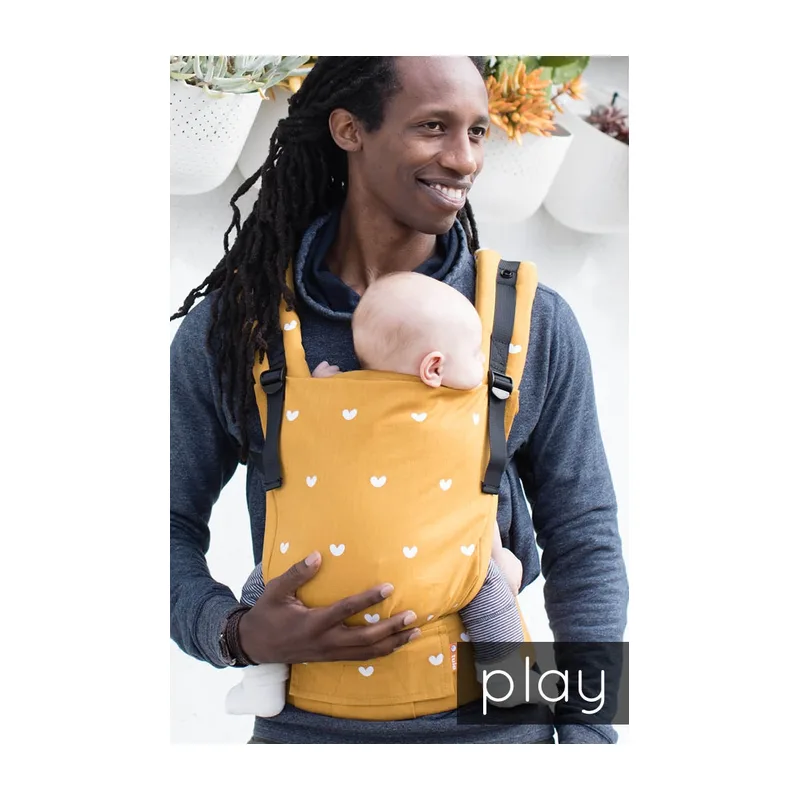
The weakest numbers on this page are the stock levels. On 17 November 2026 Babipur showed the Omni 360 Cotton in stock only in Pure Black and the Boba X only in Grey, while Pearl Grey and Heritage Blue for the Omni, and four other Boba prints, were out of stock. The Tula was in stock in the Play print. Mamas & Papas had the Carrier One, Amya and Embrace in one colour each. A carrier that is listed everywhere is not necessarily in stock in the shade you want, and the price on the listing is for the variant that is available.
Both retailers are independent UK shops with their own delivery terms, so the price you pay may include a delivery charge that is not part of the listed figure. We did not check delivery charges or return windows, and a few pounds either way can change the order of the two cheapest carriers, which are only £8.10 apart. If you are close to a decision between the Amya at £108 and the Embrace at £99.90, the first thing to settle is whether you need the range beyond 11.3 kg, not the delivery fee.
If you are also planning other baby purchases, we compare buggy boards and baby monitors on their own pages.
Frequently asked questions
What is the best baby carrier in 2026?
The Tula Free-to-Grow is our top pick among the best baby carriers compared here. It covers 3.2 to 20.5 kg, costs £111.92 at Babipur and scored 70 out of 100 with BabyGearLab, one point behind the BabyBjörn One. It is carried facing you only. If you want facing out, the BabyBjörn Carrier One at £131.18 is the next choice.
Which baby carrier is best for a newborn?
The Ergobaby Embrace is built for 3.6 to 11.3 kg and 0 to 12 months, costs £99.90 and weighs 0.76 kg. The Tula, Omni 360, Boba X and Carrier One also start between 3.2 and 3.5 kg, according to their listings, so they work from birth and last longer. We found no independent score for the Embrace.
How long can you use a baby carrier?
It depends on the weight limit. The Tula Free-to-Grow, Ergobaby Omni 360 and Boba X quote 20 kg or more, which the listings describe as reaching toddlerhood. The BabyBjörn Carrier One and Cybex Amya quote 15 kg and up to three years, and the Ergobaby Embrace stops at 11.3 kg and twelve months.
Which carrier is cheapest in this comparison?
The Ergobaby Embrace is cheapest at £99.90 at Mamas & Papas. The Cybex Amya follows at £108.00 and the Tula at £111.92. The most expensive is the Boba X at £149.95. Prices were read on 17 November 2026 and can change.
Can you carry a baby facing outwards?
Some listings allow it, with conditions. The BabyBjörn Carrier One allows facing out from five months and up to 12 kg. The Ergobaby Omni 360 recommends it for 13 to 22 lb and short periods only. The Tula and Boba X listings describe carrying facing the wearer only.
Are baby carriers machine washable?
Most listings here say so, but few give a temperature. The Tula advises a cold wash with mild detergent and air drying. The Omni 360, Boba X and Embrace say machine washable without a temperature. The BabyBjörn Carrier One and Cybex Amya listings we read give no washing advice, so check the care label.
Which carrier fits the largest waist?
The Cybex Amya lists the longest waist belt, 70.5 to 186 cm. The Omni 360 runs from 65 to 145 cm and the Boba X from 60 to 145 cm. The Tula's hip belt is 76 cm and extends to 145 cm. The BabyBjörn One and Ergobaby Embrace listings give no belt length.
Does this comparison use Which? results?
No. Which? lists sixteen baby carriers on its page, including the Tula, the Boba X and the Embrace, but its results are for logged-in members only, so we do not use them. The independent scores here come from BabyGearLab, an American reviewer, and are dated August 2025.
What do hip-healthy labels mean?
They are the manufacturers' statements. The listings for the Carrier One, Omni 360, Boba X and Embrace mention the International Hip Dysplasia Institute. We do not score the labels and cannot compare how each was awarded. For questions about your baby's hips, ask a health professional.
Is a more expensive baby carrier better?
Not in this comparison. The most expensive carrier, the Boba X at £149.95, has no independent score we could read and ranks fifth. The Tula at £111.92 ranks first. The Omni 360 costs £28.29 more than the Tula and scored eight points lower with BabyGearLab. Price differences here follow brand and features more than independent scores.
What should you check before buying a baby carrier?
Check the weight range against your baby's expected growth, whether the positions you want are listed, and the waist belt range for everyone who will wear it. The Carrier One and Embrace listings give no belt figure, so ask the shop. Then check the care instructions and whether your colour is in stock.
Do BabyGearLab's US scores apply to UK carriers?
Partly. BabyGearLab gives no model year, but its spec tables (fabric, weight range, hood) match the UK listings for all three carriers. Colours and small features may still differ between US and UK stock, so we treat its scores as one input, not as a verdict.