In depth: kitten foods explained
Two shops can sell the same brand with different recipes, and the paperwork shows it
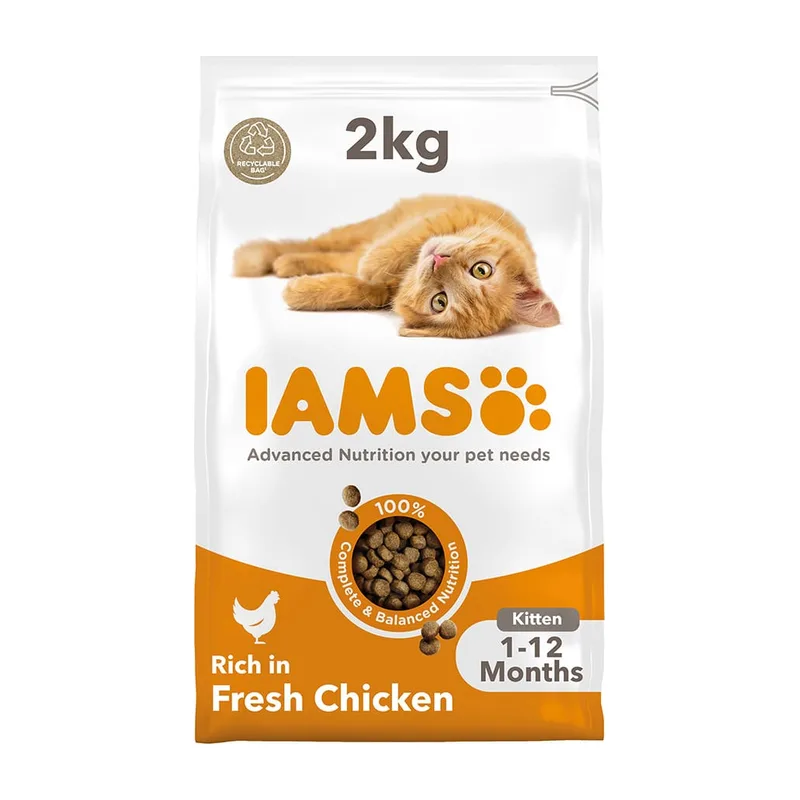
IAMS is the clearest case. The Pets at Home listing, which we rank, gives dried chicken and turkey at 43% with chicken at 26% and fresh chicken at 4.1%, and a feeding table of 65 g at 20 weeks and 2 kg. IAMS's own en-GB page for a fresh chicken kitten food, and the zooplus page, give dried chicken and turkey at 38% with chicken at 23% and fresh chicken at 15%, and a feeding table of 55 g at the same age and weight. Both state 37% protein and 21% fat but different ash and fibre. At 55 g a day the manufacturer's table would put IAMS at about 26p a day, not 31p. We kept the Pets at Home figures because that is the pack linked, and we left the zooplus reviews out because they describe the other wording.
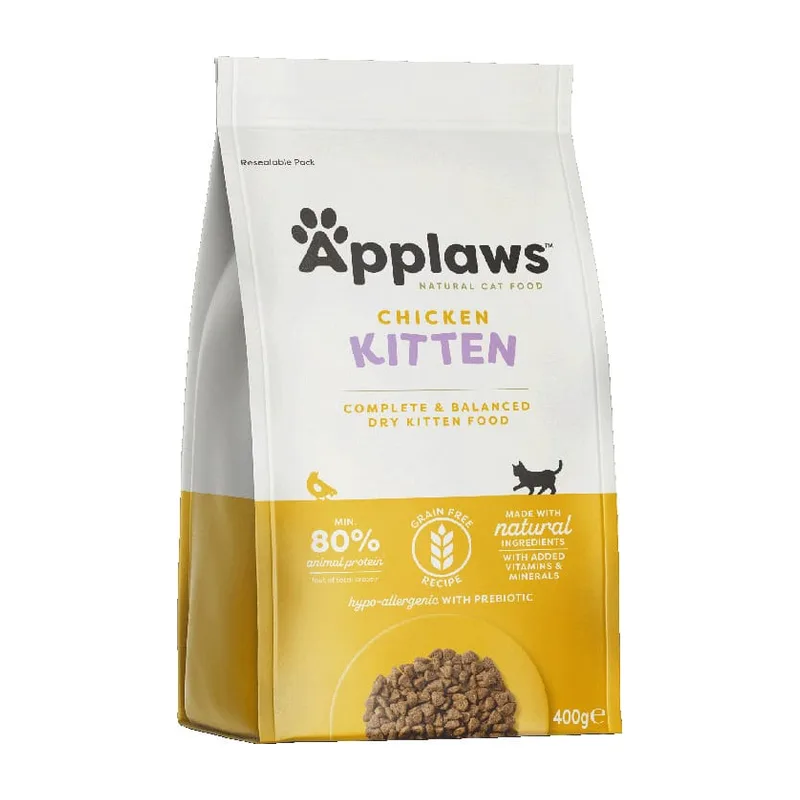
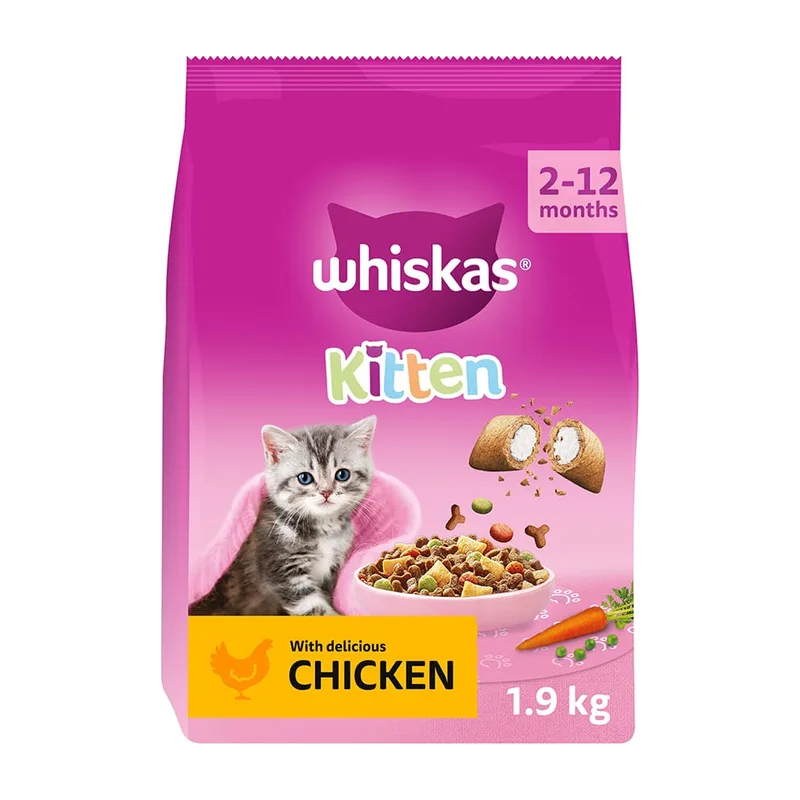
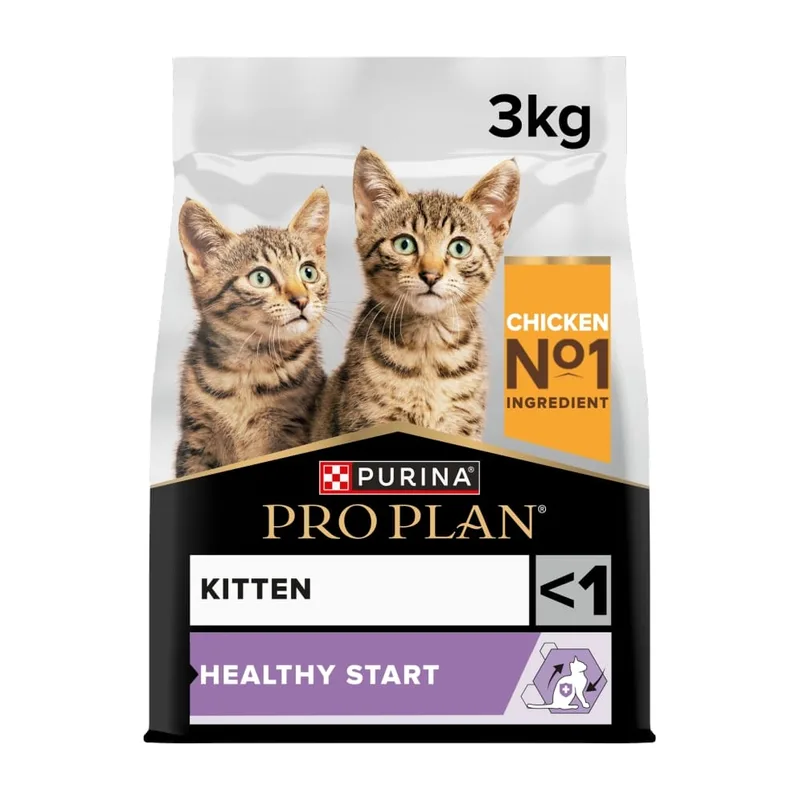
Whiskas is a smaller case. Pets at Home lists 35.7% protein and 13.6% fat for its 1.9 kg pack, zooplus lists 35.0% and 13.3% for a page with similar ingredient wording. The difference is under a point, but it shows that the decimals on a retailer page depend on which batch and label the page was built from. Pro Plan's problem is of another kind: the Pets at Home table is headed Senior and mentions Longevis wet pouches, while zooplus shows an age table starting at 40 g at 1 month. Hill's, Applaws and Royal Canin dry were consistent across the pages we compared, which counted for them under feeding guidance.
In practice the check takes a minute: before buying, read the ingredient list and the analysis on the pack you receive against the page, and treat a mismatch as a reason to ask the shop. Where a manufacturer changes a recipe, reviews written about the old version may no longer apply.
Hill's and IAMS are closer than the daily cost suggests, apart from price
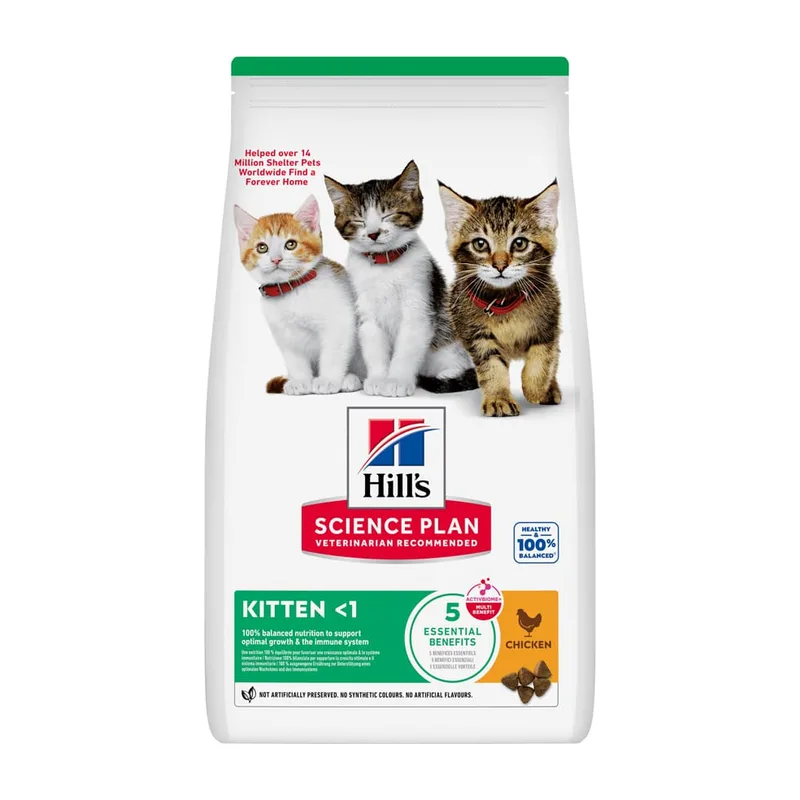
On paper the two foods are twins. Hill's lists 38.9% protein and 23.8% fat at 425 kcal per 100 g, IAMS 37% and 21% at 426 kcal. Hill's poultry total is 45% and IAMS's is 43%. Hill's Pets at Home reviews average 4.9 from 243 with one one-star, IAMS's 4.8 from 171 with one one-star. Their feeding tables differ by only 5 g at 2 kg: 70 g of Hill's against 65 g of IAMS, so by the stated energy the two foods deliver 298 kcal and 277 kcal a day, a gap of 21 kcal.
That leaves price per kg as the whole gap: £10.53 for Hill's against £4.75 for IAMS, a factor of 2.2, which turns into 43p a day. Hill's has the more detailed table, in weight steps of 0.5 to 1 kg with three age bands, and a manufacturer's page that agrees with the retailer's, where IAMS's pages disagree. Those are real advantages, and they explain why Hill's is close in the ranking even though it costs more than twice as much per day. They are not a reason to expect a different result in the bowl, and no page we read supports that.
For an owner with one kitten and a monthly budget, the difference is about £13 over 30 days. For a household with four kittens it is about £51, and the cheaper food then becomes the more practical choice. A reader who values consistent labelling over price would reasonably reverse the order of these two.
Energy per day is where the feeding tables turn out to agree
The tables for the dry foods ask for very different weights of food, yet the energy they imply is close. Using each food's stated kcal per 100 g, Hill's 70 g gives about 298 kcal, IAMS 65 g about 277 kcal, Pro Plan 65 g about 276 kcal, Whiskas 65 to 75 g about 253 to 292 kcal, and Applaws 45 to 75 g about 183 to 306 kcal. Lily's Kitchen's wet food at 255 to 310 g and 96 kcal per 100 g gives about 245 to 298 kcal. Royal Canin's pages give no energy, so its 66 g cannot be checked.
These sums use one kitten, 4 months and 2 kg, and they are a cross-check of the tables, not a statement of what any kitten needs. The agreement, in a band of roughly 250 to 300 kcal, is useful in two ways. It suggests the amounts in the tables are broadly consistent with each other, and it shows that a food with fewer kcal per gram, such as Whiskas at 389, needs a bigger measure, which narrows its price advantage a little. Per 100 kcal, Whiskas at 8.1p is still the cheapest of the foods whose energy is stated.
The other lesson is for mixed feeding. When Whiskas says 15 g of dry food can be replaced by an 85 g wet pouch, it is trading roughly 58 kcal of dry food for a pouch whose energy the page does not state. The Felix and Royal Canin Gravy pages give no kcal figure either, so a mixed diet cannot be balanced on energy from their pages alone. Lily's Kitchen is the one wet food here that does state it.
Buying guide: choosing the right kitten food
A food is only complete if the label says so, and all nine here do
FEDIAF, the European pet food federation, defines a complete pet food as one that by its composition is enough for a daily ration, and a complementary food as one that is enough only when combined with other foods. For a kitten the difference decides whether a pack can be the main meal. Every product on this page is described as complete by its own listing, from IAMS for cats aged 1 to 12 months to the three wet foods that carry a complete label for kittens.
Where this goes wrong is a shopping basket that mixes pots, toppers and treats with the main food. A wet topper or a small tin labelled complementary will not cover a kitten's day however much it costs, and an adult complete food is formulated for adult cats, so its feeding table will not match a growing kitten. The nine here all carry feeding tables by age or weight, which is the quickest sign that a food is built for growth. FEDIAF's 2025 guide gives growth and reproduction in cats one table, with a protein minimum of 28 g per 100 g of dry matter for growth and 30 g for reproduction, so a kitten food and a food for pregnant or nursing cats are close in the levels they must reach.
This page does not cover foods for adult cats, all life stages foods, treats or veterinary diets, and a food that is complete on the pack still depends on the owner measuring the amount.
Protein and fat barely separate the dry foods, but the meat list does
FEDIAF's tables set a minimum of 28 g crude protein and 9 g fat per 100 g of dry matter for growth in cats, with the protein minimum for reproduction at 30 g. Even as fed, with some water still in the kibble, every dry food here clears both: protein runs from Whiskas at 35.7% to Pro Plan at 40%, and fat from Whiskas at 13.6% to Hill's at 23.8%. The analysis therefore separates leaner from richer foods rather than adequate from inadequate ones, and it says nothing about vitamins, minerals or digestibility.
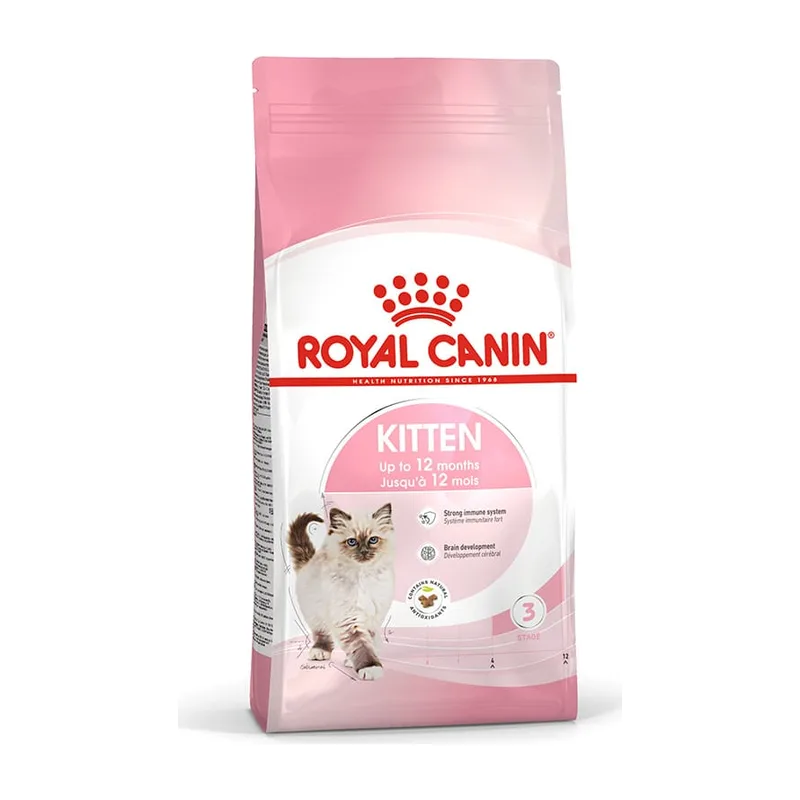
The ingredient list is where foods differ. Applaws lists chicken at 49%, of which 46% is chicken meal. IAMS lists dried chicken and turkey at 43%, with chicken at 26%. Hill's gives chicken at 29% inside 45% poultry, Pro Plan chicken at 20% before several cereals and plant proteins, and Whiskas puts cereals first with chicken at 4% of the brown kibbles. Royal Canin names dehydrated poultry protein first without a figure. A percentage is not a quality score, but a label that gives one lets you compare, and a label that does not leaves a gap.
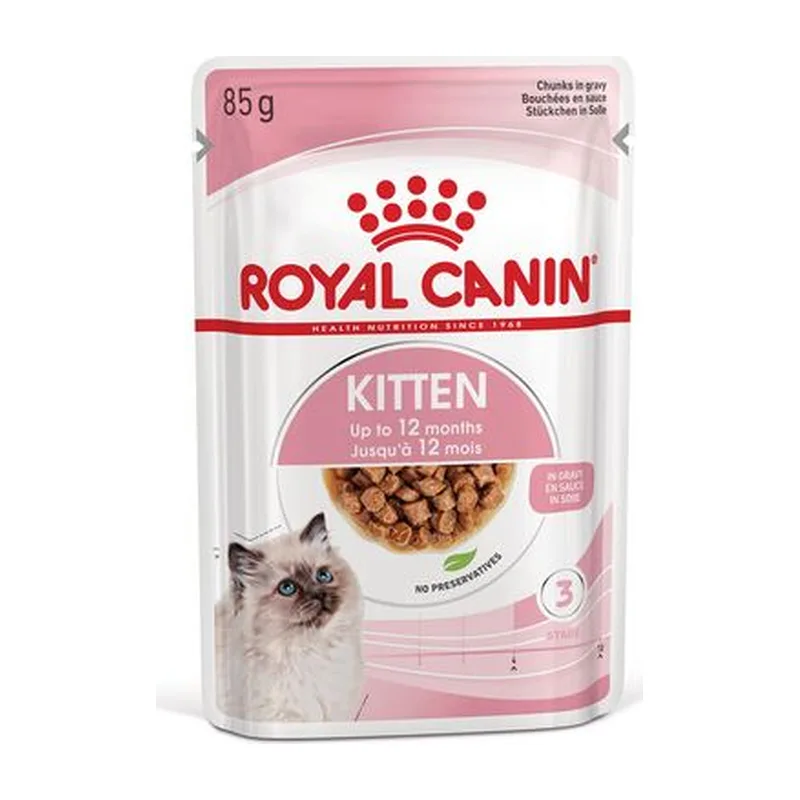
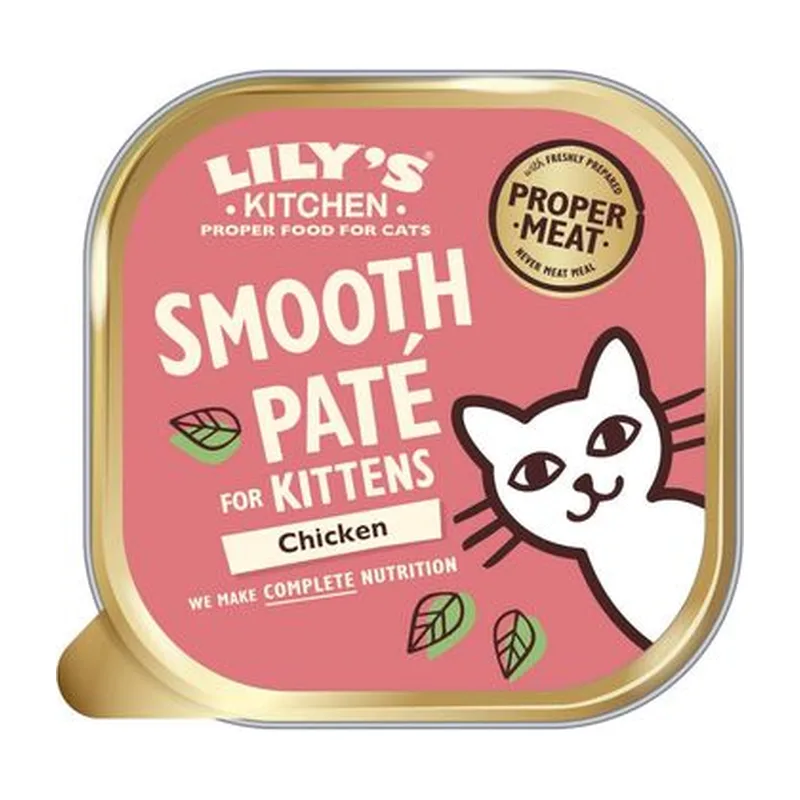
Wet foods need converting before you compare them with kibble. Royal Canin Gravy lists 12% protein and 78.2% moisture, which works out at about 55% protein on dry matter, level with Lily's Kitchen's pâté at 55% and below the 60% of Felix's fish selection. This is a calculation from the pages' own figures, not a laboratory result. If the first ingredient on a pack is a cereal, as with Whiskas, that does not make it unsuitable, but it does mean the meat content is the figure to look for in the small print.
The cheapest bag is rarely the cheapest food per day
A kitten's daily amount depends on the food, so the bag price misleads. IAMS at £4.75 per kg and Whiskas at £3.15 per kg look close, but a 2 kg kitten at 4 months needs 65 g of IAMS and 65 to 75 g of Whiskas, so the day costs 31p against 20p to 24p. Royal Canin at £11.80 per kg and Hill's at £10.53 per kg are 2.5 and 2.2 times the price of IAMS per kg, and 70 g of Hill's at 74p a day is 43p dearer than IAMS. Over 30 days that is about £13.
Energy gives a second check. Hill's states 425 kcal per 100 g, IAMS 426, Pro Plan 425, Applaws 407.5 and Whiskas 389. Price per 100 kcal then comes out at 24.8p for Hill's, 20.4p for Applaws, 17.4p for Pro Plan, 11.1p for IAMS and 8.1p for Whiskas. Royal Canin's pages give no energy figure, so it cannot be placed on this scale, which counts against it. Lily's Kitchen wet food, at 96 kcal per 100 g and £14.24 per kg, costs £1.48 per 100 kcal.
Cost per day is least reliable where the table is a range. Applaws gives 45 to 75 g for a kitten of 1 to 2 kg, so a 1.2 kg kitten and a 2 kg kitten get very different answers, from 37p to 62p. If your kitten is much lighter or heavier than 2 kg, redo the sum with the amount on the pack, and do not buy on price alone if a kitten refuses the food.
Wet food costs from nearly twice to twenty times as much as dry, which is why mixing matters
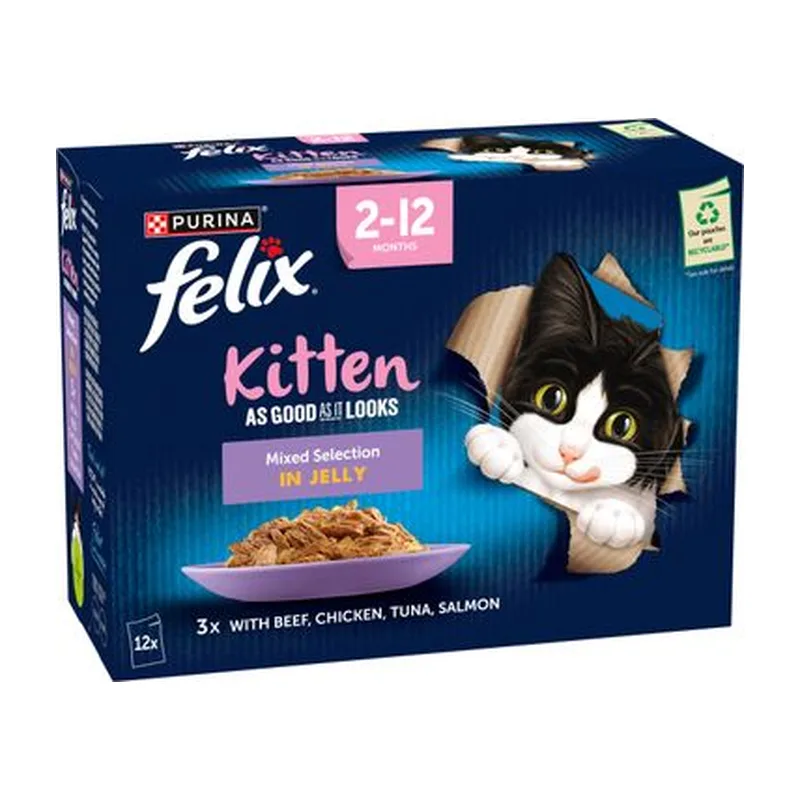
Fed on their own at the manufacturers' amounts, the wet foods here cost £1.31 to £1.50 a day for Felix, £3.15 for Royal Canin Gravy and £3.63 to £4.41 for Lily's Kitchen, against 20p to 78p for the dry foods. That is between about 1.7 times (Felix against Royal Canin dry) and about 21 times (Lily's against Whiskas). Wet food is mostly water, 77% to 81% by the pages' own analysis, so a kitten needs far more grams of it to meet the same energy.
Mixed feeding changes the sum. Royal Canin's table pairs 1 pouch with 45 g of its dry kitten food at 4 months and an expected adult weight of 4 kg, which costs about £1.58 against £3.15 for pouches alone and 78p for dry alone. Whiskas's page recommends a 50:50 mix of wet and dry, and says a kitten from 8 weeks should take two-thirds of its calories from wet food and one third from dry. Hill's prints mixed feeding columns for 85 g pouches, and Whiskas says 15 g of dry food can be swapped for one. Those are the manufacturers' recommendations, not ours, and they cost more than dry alone.
Wet food does not suit a budget that is already stretched. It suits a kitten that refuses kibble, though reviewers at zooplus report refusals for all three wet foods here too, including a kitten that took to Lily's Kitchen once and then turned it down. The best wet kitten food on our scoring is Royal Canin Kitten in Gravy, but the margin over Lily's Kitchen is small, and the one that names its meat is Lily's Kitchen.
Review averages hide the complaints that matter
Averages compress very different records. Whiskas has 4.6 out of 5 from 8,418 reviews at Pets at Home, and 330 of them, 3.9%, are one-star. Royal Canin has 4.6 from 2,258 at zooplus with 4.7% one-star, Hill's 4.4 from 768 with 5.5%, Applaws 4.3 from 1,108 with about 7%, and Felix 3.5 from 26 with 31%. A count above 1,000 with one in twenty reviews at one star says more than a 4.9 from 66.
Read what the one and two-star reviews describe. For Applaws, several mention loose stools after the recipe or the bag changed. For Felix, kittens with runny stools and sickness. For the wet Royal Canin, a kitten that vomited and pouches that were hard to empty. These are owners' reports, not findings, and a single kitten's reaction says nothing about yours, but the same complaint repeated across several reviews of one food is worth weighing. Pets at Home also tags some reviews as collected as part of a promotion: we saw six on the first page for Whiskas, four for IAMS and two for Pro Plan, and none for Royal Canin or Hill's.
Do not assume that two shops' pages describe one recipe. The IAMS kitten food at zooplus lists fresh chicken at 15%, the Pets at Home IAMS lists 4.1%, and the reviews on each page belong to a differently worded product. This is why the IAMS ranking here uses only the Pets at Home reviews.
Makers say to change food gradually, but they give 4, 7 and 10 days
IAMS advises introducing its food over 4 days, Hill's over 7 days and Applaws over ten days, and Whiskas's feeding page suggests 7 to 10 days for the move to adult food at about 12 months. The pages we read do not give reasons, and the length is not tied to energy density: IAMS and Hill's both state about 425 kcal per 100 g and differ by three days. If you are moving a kitten off the food a breeder or rescue sent home, the longer period is the cautious reading.
Meal frequency is covered by Whiskas's page, which suggests 4 meals a day from 4 to 12 weeks, 3 to 4 from 3 to 6 months and 2 to 3 from 6 to 12 months. IAMS suggests splitting the daily amount into at least two meals. Pro Plan's zooplus page advises moistening dry food with water when it is first introduced at 3 to 4 weeks and cutting the water as the kitten learns to eat alone. These are manufacturers' recommendations.
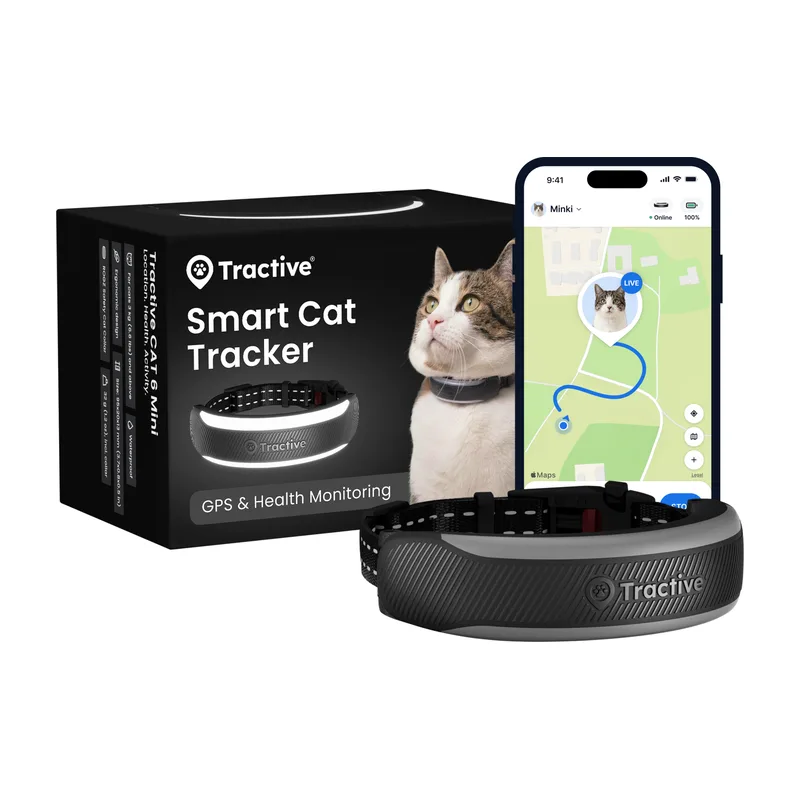
If your kitten will go outdoors later, our cat GPS tracker comparison covers collars that locate a cat. For feeding, keep the kitten food for about the first year only: the packs here are labelled for kittens up to 12 months, and moving a young cat to an adult food earlier or later than the pack says is a decision for you and your vet.
Larger bags cut the price per kg by a fifth to a third, but only if the food is accepted first
IAMS falls from £4.75 per kg in the 2 kg bag to £3.74 per kg in the 10 kg bag at Pets at Home, 21% less. Whiskas falls from £3.15 per kg to £2.47 per kg for 7 kg, 22% less. At zooplus Applaws drops from £8.30 per kg for 2 kg to £5.56 per kg for 7.5 kg, a third less, and Hill's from £10.59 per kg for 1.5 kg to £7.07 per kg for 7 kg. Royal Canin's 10 kg bag at £9.71 per kg is 18% cheaper than the 2 kg.
Those savings rest on the kitten eating the food. A 400 g Applaws bag is £4.29 and a 400 g Royal Canin bag £6.89, so a trial costs £4.29 to £6.89 against £16.59 to £23.59 for the 2 kg bags of an unproven food. The reviews also show bag-to-bag variation: a Royal Canin reviewer advises against the 4 kg size, an IAMS reviewer reports smaller kibble in a newer bag, and some Applaws reviewers describe a larger bag that behaved differently from the small one they started with.
A kitten eating 65 g a day takes about 31 days to finish 2 kg, so a 10 kg bag lasts about five months and has to be stored through that time. The pages we read do not state a shelf life for an opened bag, so we do not claim one. A large bag suits a household with several cats or a kitten that has already settled on the food, and it does not suit a first purchase.