In depth: water bottles explained
What Which? shows for free, and what it keeps behind the sign-in
Which? publishes a long guide to reusable water bottles, and the free part is limited. It describes how the work is done: temperature probes over a day, an eight-hour cold-retention measurement for insulated bottles, and tilting and shaking to check for leaks. It lists weights in spec lines, such as 298 g for the Chilly's Series 3. It states that two insulated bottles earned Best Buys, one insulated bottle is a Great Value pick and one non-insulated bottle earned a Best Buy, but the free text does not say which is which.
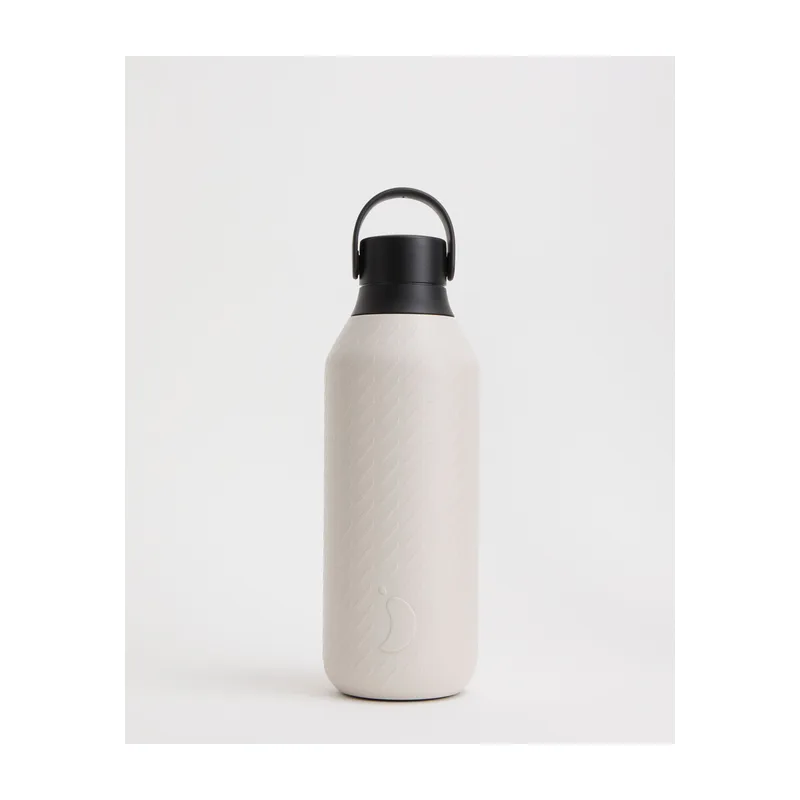
The August 2026 article on the Owala FreeSip Sway fills in names. It says the Sway was one of the worse performers at keeping water cold among the insulated bottles, that its handle broke in the drop check, and that it is not a Best Buy. It names the Chilly's Series 3 500 ml and the Stanley AeroLight IceFlow 600 ml as Best Buys and a 750 ml Sistema Hydrate as Great Value.
Because the Sway is a different model from the FreeSip we list, none of its findings is used as a score. They are useful as a reminder that a popular bottle can have a weak spot, and that two bottles from the same brand are not the same bottle.
The sign-in hides the part you would want for a close call: the percentages and the measured temperatures after eight hours. If you want to separate the Chilly's from the Hydro Flask on insulation alone, that is where the answer sits, and we have not used it.
The Hydro Flask's 2019 verdict and the Chilly's 2026 label are different kinds of evidence
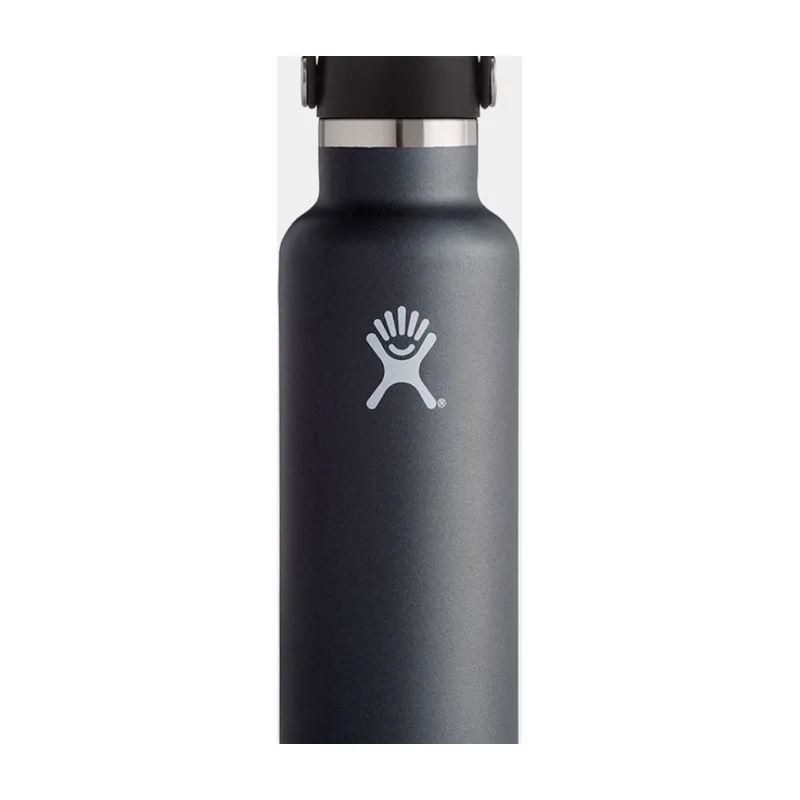
The Hydro Flask's independent evidence is a 2019 round-up in The Independent. Its testers put a range of BPA-free bottles to the test and voted the Hydro Flask 620 ml their favourite. The article repeats its 24 hour cold and 12 hour hot claims and says it showed no sign of leaking. It repeats the Sistema's 6 hour hot and 12 hour cold claims without measured figures.
That is a real result for a real bottle, but it is seven years old and the lid has changed. Today's Hydro Flask comes with a Flex Cap, so the leak finding in particular should be read as background. The insulation claim is more durable because the double-wall steel body is the part that has not changed in the way the lid has, though we cannot confirm that from the pages we read.
The Chilly's evidence is a 2026 Best Buy label with the details hidden. It is newer and wider in scope, but we can only see a label. The honest comparison is that the Hydro Flask has a readable old verdict and 174 owner reviews, while the Chilly's has a fresh label and 33 owner reviews. Our scoring puts them within about two points of each other, with the Chilly's ahead because its claim is longer and its evidence newer.
If you hold a strong view that old measurements still count, the Hydro Flask is the better choice for you. If you want the freshest independent signal, take the Chilly's. Either way the difference in everyday use should be small.
It also helps to remember how retailers and testers get their numbers. A maker's claim is usually measured under set conditions, with a full bottle and a closed lid, and a round-up that repeats it adds reassurance only if its testers actually timed the drink. In a bag, in a car or in a cold room the real figures will differ. For that reason we use the claims to compare bottles with each other, not to promise how long your own drink will stay cold or hot.
When the Nalgene makes more sense than any steel bottle
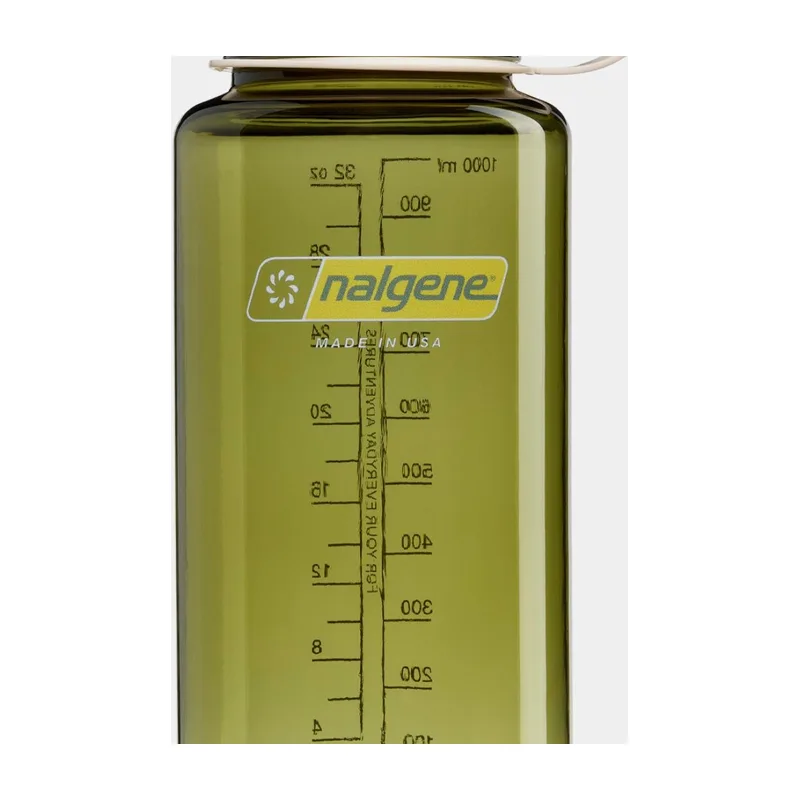
The Nalgene scores low on insulation by design and still ranks third, because the other criteria reward it. It carries a litre in 182 g, it is dishwasher safe, it has a wide mouth, and the retailer lists it for as little as £14.99. For a gym bag, a desk or a walk where you refill often, those matter more than hours of cold.
The numbers make the case. Two Chilly's bottles would give you a litre for £14.01 more than the Nalgene each, and would weigh about 600 g empty against 182 g. If you add ice to a Nalgene, you control how cold the drink is; with a steel bottle you rely on the claim.
Where it does not suit: hot drinks, a long day in a warm car and any situation where you fill once and drink the same bottle for hours. In those cases the Chilly's, Hydro Flask or Sistema is the better pick, and the Owala is a cold-drinks option only.
There is also the matter of what we do not know. The retailer calls the cap leak-proof in its own way, but no independent leak result for this exact bottle was readable, and its reviews sit on a page that also sells a 500 ml size. That makes it a bottle to buy for convenience and price, with a little less certainty about the lid than the Chilly's gives you.
A last practical point concerns how the bottle is used over a year. A single-wall plastic bottle is easy to replace if it is lost or cracked, which lowers the cost of a mistake, whereas a steel bottle that is dented or left on a train is a bigger loss. That is not a reason to avoid steel, only a reason to think about how careless you are with bags and coats. Plenty of people keep a cheap plastic bottle at the desk and a steel one for trips, and the two roles barely overlap. Seen that way, the Nalgene and the Chilly's are not rivals so much as tools for different parts of the week.
Buying guide: choosing the right water bottle
A 36 hour cold claim only matters if the bottle sits for 36 hours
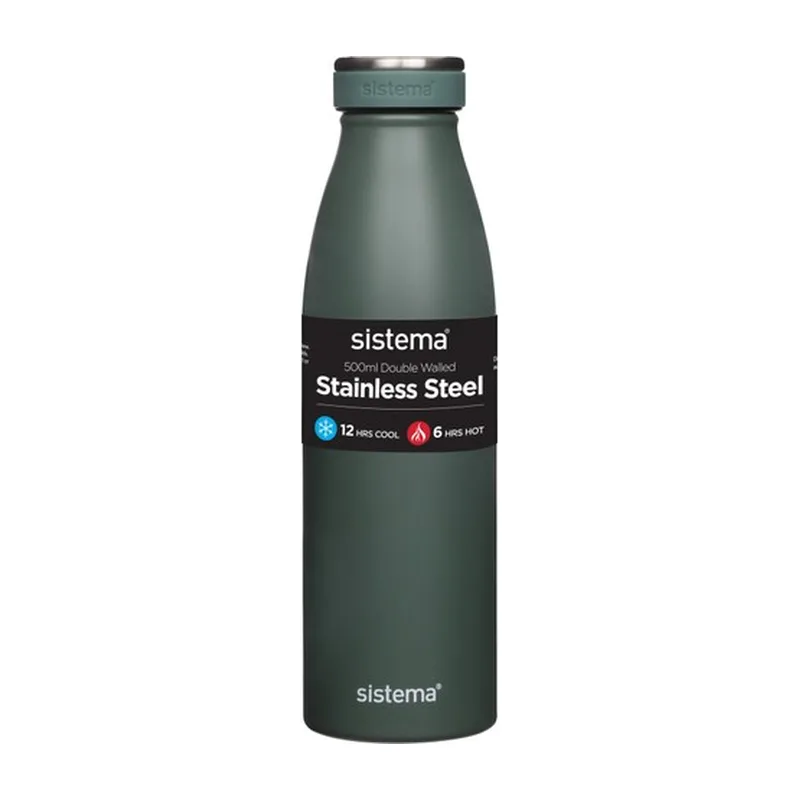
Every steel bottle on this page comes with an insulation claim, and they run from 12 hours cold for the Sistema Hydrate to 36 for the Chilly's Series 3. The Hydro Flask quotes 24 hours cold and 12 hot, and the Owala 24 hours cold and no hot drinks. These are manufacturer figures, not measurements we made, and the only independent mention of the steel bottles is old: in 2019 The Independent's round-up repeated the Hydro Flask's and the Sistema's claims without giving measured temperatures.
Which? is the stronger check. It runs an eight-hour cold-retention measurement on insulated bottles, and its free text names the Chilly's Series 3 500 ml as a Best Buy in 2026. A label like that tells you the bottle passed the whole battery, not how long it held ice. So a bottle with a 36 hour claim and a Best Buy is the safest bet for a day away, while a 12 hour claim is plenty for a desk.
Think about when you actually refill. Most people top up within a morning or an afternoon, and in that window the difference between 24 and 36 hours claimed will rarely show. It starts to matter for overnight in a car boot, a full day on a hill, or a bottle left in a sports bag until the evening. If that is you, the Chilly's is the best water bottle on this page for insulation.
The two models that are poor matches are the Nalgene and the Owala for hot drinks. The Nalgene has no insulation at all, so it suits water that you are happy to drink at room temperature or with ice you replace. The Owala's maker advises against hot, carbonated or perishable drinks in the steel version, so a hot drink needs the Chilly's, the Hydro Flask or the Sistema, which all quote hot hours.
The best water bottle for a bag is the one whose lid you can trust
A leak in a rucksack costs more than any price difference on this page, so the lid deserves as much attention as the steel. Chilly's calls its lid 100% leak-proof and John Lewis repeats that. The Owala sells its lid as leak-proof with a lock when closed. The Nalgene relies on a screw cap with continuous threads. The Hydro Flask page we read makes no explicit leak-proof claim, and the Sistema listing does not either.
Which? tilts and shakes every bottle as part of its work, and a Best Buy label implies a good result, though the individual leak scores are not freely readable. Its free article on the Owala FreeSip Sway is a useful warning, because it found that model pretty leakproof apart from a few droplets after vigorous shaking, while a different Owala lid design is not the same product. We use that finding only to set expectations, not to score the bottle on this page.
The type of opening matters for leaks as much as the seal. A straw or spout lid, as on the Owala, has more moving parts than a plain screw cap and a lock helps only when you use it. A plain screw cap, as on the Chilly's and Nalgene, has fewer parts to fail and is less convenient for sipping on the move. Match the opening to how you will carry the bottle: upright in a cup holder suits a spout, flat in a bag suits a screw cap.
Where a bottle does not suit: if you plan to lay it on its side next to a laptop, avoid any model without a stated leak-proof claim until you have checked the maker's page, which today means the Hydro Flask and Sistema. That is not a verdict that they leak, only that the claim is missing from the pages we read.
Capacity per gram matters more than the headline weight
A bottle that weighs 182 g sounds light until you notice it holds a litre, and one that weighs 300 g sounds heavy until you see it holds 500 ml. Dividing capacity by weight puts the bottles on one scale. The Nalgene Wide Mouth Sustain gives 5.5 ml per gram. The Hydro Flask's 621 ml at 320 g gives 1.9, the Owala's 710 ml at 385 g gives 1.8, and the Chilly's 500 ml at about 300 g gives 1.7. The Sistema page does not publish a weight, so it cannot be placed on this scale.
Full weight is what your shoulder or hand feels, and a rough guide, assuming one gram per millilitre of water, is the bottle plus its contents. A full Chilly's comes to about 800 g, a full Hydro Flask to about 940 g, a full Owala to about 1,095 g and a full Nalgene to about 1,180 g. So the Nalgene is the lightest per drink but the heaviest when filled to the brim, which only matters if you actually fill it.
That changes who each bottle suits. For a commute where you drink one 500 ml bottle, the Chilly's is the lighter carry. For a day hike where you need a litre, the Nalgene beats carrying two steel bottles, because two Chilly's bottles weigh about 600 g empty against 182 g for one Nalgene.
The uncomfortable case is the heavy bottle you rarely fill. If you tend to carry a bottle half full, the full-weight figures overstate the gap, and a steel bottle's better insulation may be worth more than the grams you save.
Per 100 ml, the cheapest sticker is not always the cheapest bottle
Prices on this page run from £12 to £32, and the order changes when you divide by volume. The Nalgene works out at about £1.80 per 100 ml at its listed price, and the retailer that lists it for £14.99 brings that to about £1.50. The Sistema Hydrate comes to £2.40. The Hydro Flask is about £4.49, the Owala about £4.51, and the Chilly's £6.40.
The Chilly's therefore costs about 3.6 times the Nalgene per 100 ml, which is what the longest insulation claim and a Which? Best Buy cost. Whether that is worth it depends on whether you use the insulation. If you drink within a few hours, the Sistema gives you steel and a 12 hour claim for the lowest outlay of any insulated model here.
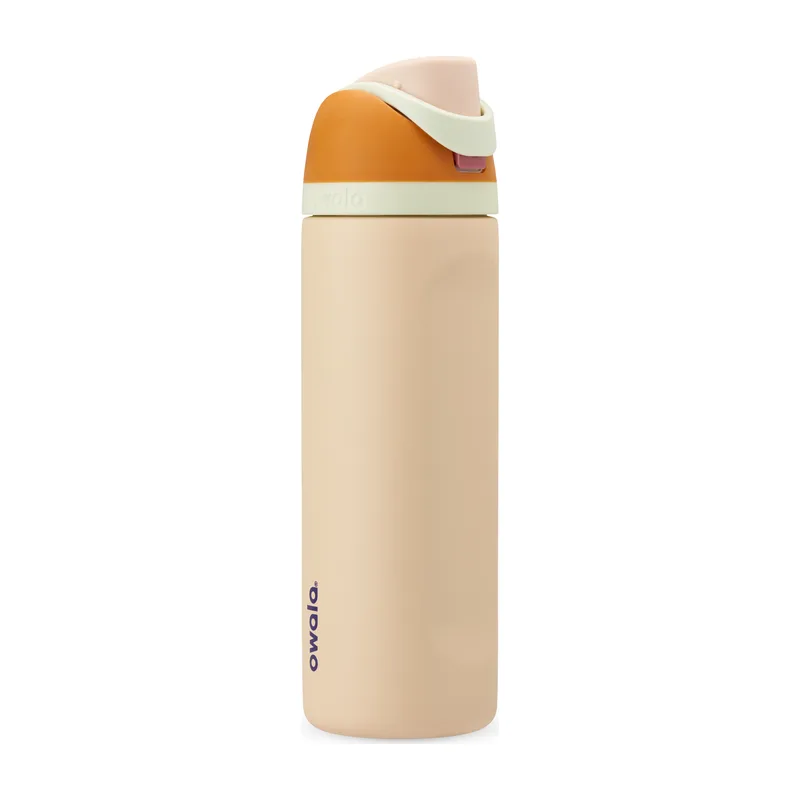
The Owala looks attractive at 710 ml for the same sticker price as the Chilly's, and per 100 ml it comes out at about 70% of the Chilly's cost. The catch is the evidence: the Owala has no independent result for this bottle that we could read, and its John Lewis page shows only 2 reviews.
Prices move quickly around promotions. Cotswold Outdoor shows the Hydro Flask at a 20% reduction on its recommended price. A bottle that is poor value at one price can be good value at another, so check the price on the day you buy.
Dishwasher safety decides whether you keep using the bottle
A bottle you dread washing ends up in a cupboard, and the pages we read differ more on cleaning than on any other point. The Nalgene is listed as dishwasher safe and has a wide mouth with no spout. The Chilly's is not dishwasher safe, so every wash is by hand. The Owala's lid can go in the dishwasher but the bottle should be washed by hand, and its lid has several parts. For the Hydro Flask and Sistema, the pages we read do not say.
Mouth width decides whether you can get a brush inside and whether ice cubes fit. The Hydro Flask's standard mouth is 1.91 inches across at the opening, which takes ice but needs a slim brush. The Nalgene's wide mouth is easy for both. That matters for a long bottle like the Chilly's, whose narrower body is harder to reach inside.
If you want a bottle for a drink other than plain water, cleaning matters more. Sugary drinks and flavoured water leave residue in a screw thread or a spout much faster than water does, and a wide mouth makes that easy to clear. A bottle used only for water can have a narrower opening without much penalty.
Where this does not apply: if you rotate bottles through a dishwasher every night, only the Nalgene is listed as dishwasher safe on the pages we read, and for the other steel bottles you would need to check the manual.
Reviews with fewer than ten ratings should not steer your choice
A five-star average from two people says almost nothing, and one bottle here, the Owala at John Lewis, shows exactly that: 5 out of 5 from 2 reviews. We give owner reviews little weight below ten ratings. The Chilly's has 4.6 out of 5 from 33 at John Lewis, the Nalgene 5 out of 5 from 49 at Cotswold Outdoor, and the Hydro Flask 4.5 out of 5 from 174 at Cotswold Outdoor.
Volume matters as much as the average. A 4.5 from 174 reviews is a firmer signal than a 5 from 49, because a few unusual ratings move a small sample further. The Nalgene's average also sits on a page that offers a 500 ml size, so some ratings may belong to the smaller bottle. The Owala's 35,057 reviews at its own UK store cover every size and colour and no average was readable, so we use the count only as evidence of popularity.
Reviews also age. A bottle reviewed heavily in 2022 may have changed its lid since, as the Hydro Flask did when the Flex Cap replaced the older design. Prefer reviews of the exact variant you are buying, and read the low ratings first, because that is where leaks and broken lids show up.
We could not read the text of any retailer review on the pages we used, so this page reports ratings and counts only and does not summarise what owners say.
A Which? label tells you what passed, not by how much
Which? names the Chilly's Series 3 500 ml a Best Buy in its August 2026 article on the Owala FreeSip Sway. That label is freely readable, and it is the freshest independent evidence on this page. The percentage scores, the measured temperatures and the leak ratings we do not use.
A label compresses a lot. It says the bottle cleared Which?'s overall bar, including its eight-hour cold retention, leak, drop and cleaning checks, but not which of those it was best at. The label does not say how far ahead of the Hydro Flask the Chilly's would be, so the choice between them rests on volume, price and what else is published.
There is also a size caveat. Which? named a Stanley AeroLight IceFlow 600 ml a Best Buy and a 750 ml Sistema Hydrate a Great Value pick. Those sizes differ from the Stanley and Sistema we could find, so the labels do not carry over to our 500 ml Sistema, and we left the Stanley out. The Chilly's listing gives a 298 g Series 3, which matches the 500 ml bottle we list.
For a bottle outside Which?'s lists, such as the Nalgene, the absence of a label is not a verdict. Which? says one non-insulated bottle earned a Best Buy, without naming it in the free text, so we cannot say whether it is this one.
It helps to read a label as a filter rather than a ranking. A Best Buy means a bottle is worth shortlisting, and everything after that is about fit. Ask where the bottle will spend its day, whether you will wash it by hand, and how much you are prepared to carry. A bottle that passes every check but does not suit your habits will still end up unused, while a cheaper model with a clear claim and a lid you trust may serve you better. Treat the label as one input next to the specifications, the owner ratings and the price on the day you buy.