Product comparisons built on facts 52 comparisons, open criteria and named sources

ProductPick

Best lone worker device 2026

The best lone worker device for most small employers is the Peoplesafe MySOS, our top pick: alarms go to a 24/7 alarm receiving centre certified to BS 8484:2022, fall detection comes with Premium, and it costs £65.99 upfront plus £19.79 a month, both including VAT. If colleagues can answer alarms themselves, the MiniFinder Pico at £270 runs without a monitoring contract on plans from 10 euros a month. We found no independent reviews, and the top three have no customer ratings, so they rank on specifications and certification.

We don't test the products ourselves. The scores are based on manufacturer information, independent tests and customer reviews, weighted by open criteria. Links marked Affiliate link may earn us a commission. This never affects the ranking. How we compared

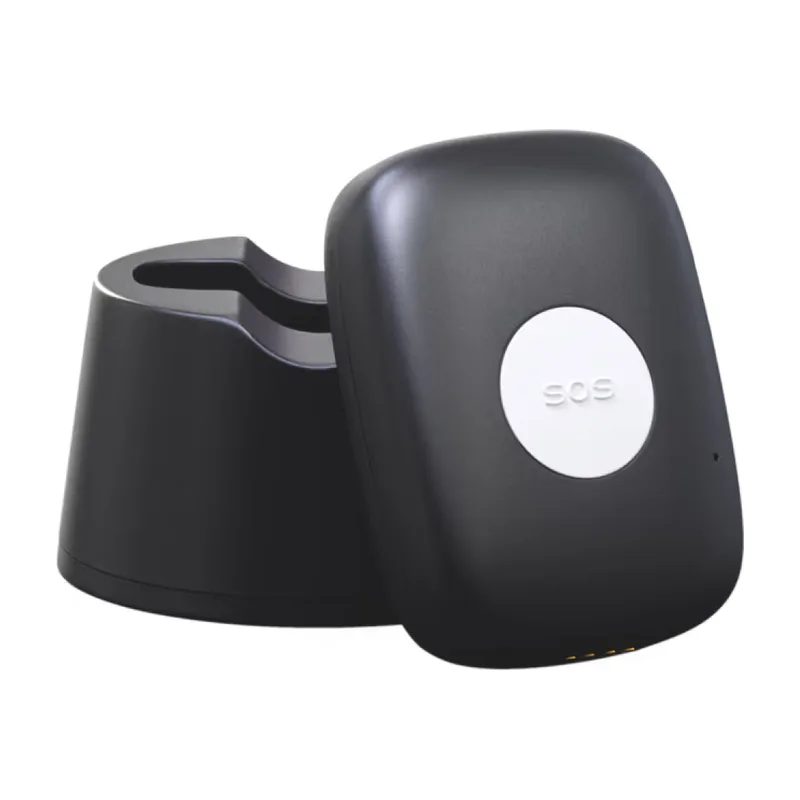
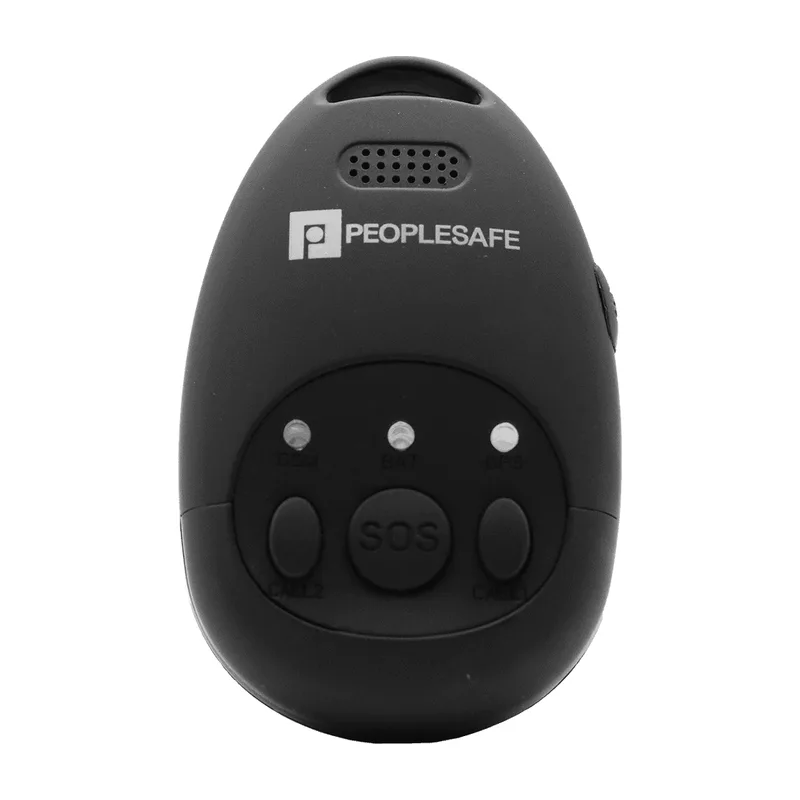
Peoplesafe MySOS

Our top pick

Peoplesafe MySOS

7.5out of 10

Suits you if you employ a handful of lone workers and want trained operators, not colleagues, to answer every alarm around the clock.

  • 24/7 alarm receiving centre certified to BS 8484:2022
  • Fall detection included on Premium
  • Six day battery
£65.99 at PeoplesafeView price at Peoplesafe

More recommendations

The ranking: all 7 lone worker devices

  1. 1Our top pickPeoplesafe MySOSSuits you if you employ a handful of lone workers and want trained operators, not colleagues, to answer every alarm around the clock.7.5out of 10£65.99View price at Peoplesafe
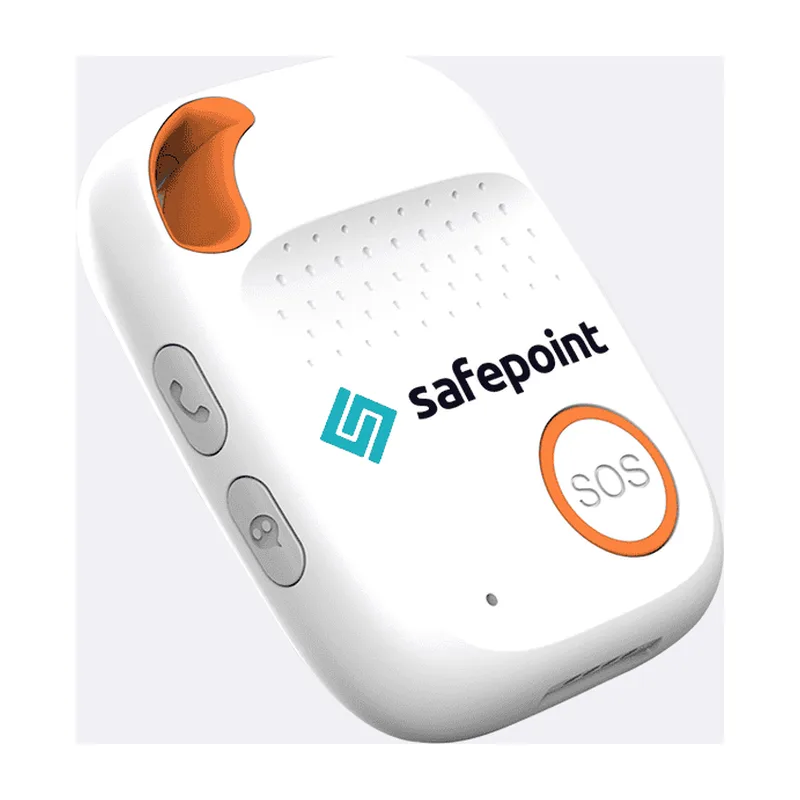
  2. 2Safepoint Lone Worker DeviceSuits you if your staff work on large indoor sites and you want monitored alarms with optional Wi-Fi and beacon location.7.2out of 10£72View price at Safepoint
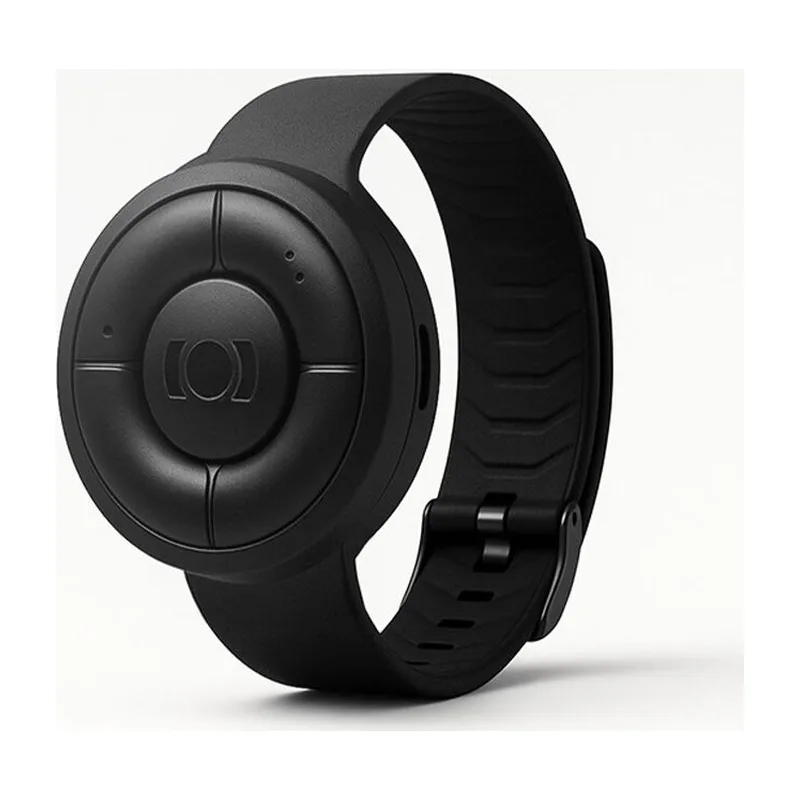
  3. 3Vatix Safe ProSuits you if you run a team of ten or more and want monitored devices on a longer contract at a lower monthly rate.7.2out of 10£72View price at Vatix
  4. 4Best without a monitoring contractMiniFinder PicoSuits you if colleagues or a manager can answer alarms themselves and you want a small device without a long contract.6.8out of 10£270View price at MiniFinderAffiliate link
  5. 5Longest battery lifePeoplesafe MySOS ID Badge 4GSuits you if your staff make home visits or work front of house and need an alarm that looks like an ordinary ID badge holder.6.8out of 10£77.99View price at Peoplesafe
  6. 6MiniFinder NanoSuits you if your lone workers move between indoor sites and you want a watch that finds them by Wi-Fi as well as GPS.6.6out of 10£288View price at MiniFinderAffiliate link
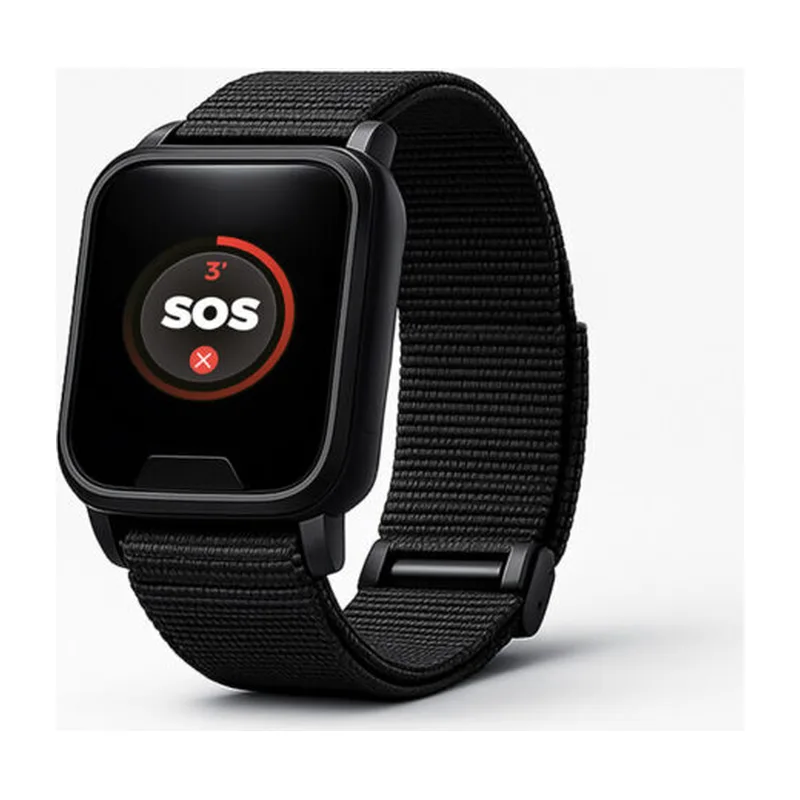
  7. 7MiniFinder VeoSuits you if you work in retail, reception or security and want an alarm that passes for an ordinary smartwatch.6.5out of 10£300View price at MiniFinderAffiliate link

Choosing the best lone worker device starts with who answers the alarm, and that splits this list in two. The top three and the ID Badge 4G send every alarm to a 24/7 alarm receiving centre certified to BS 8484:2022; the three MiniFinder devices alert colleagues or contacts you choose. The monitored devices cost little upfront and a lot each month. The MySOS is £65.99 to start but £474.96 in fees over two years on Premium, so the device is about an eighth of the total. The Pico turns that round: £270 upfront and 240 euros in fees over the same period. Between the monitored three the gap is small once VAT is added to every price, as it is throughout this page: two years come to £509.76 at Vatix's ten device rate, £540.95 for the MySOS and £561.12 at Safepoint. Fall detection is included on the MySOS Premium and every MiniFinder, but costs £1.19 a month at Safepoint and £1.20 at Vatix, about £29 over two years. No independent reviewer has assessed any of these seven devices, and the four monitored ones have no customer ratings either, so their places rest on specifications and certification. The MiniFinders are backed by 12 to 33 reviews in MiniFinder's shop.

Every model in detail

Peoplesafe MySOS

Rank 1 of 7Our top pick

Peoplesafe MySOS

7.5out of 10

Suits you if you employ a handful of lone workers and want trained operators, not colleagues, to answer every alarm around the clock.

£65.99 at Peoplesafe, 20 November 2026View price at PeoplesafePrices change, so please check the price with the retailer.

The MySOS comes first because it combines a 24/7 alarm receiving centre certified to BS 8484:2022 with fall detection, two-way audio and a six day battery, for £65.99 upfront on the Premium plan. Over two years that comes to £540.95 including VAT, £112.80 less than Peoplesafe's own ID Badge 4G and with fall detection that the badge lacks.

What you give up is evidence: no independent review or customer rating of the MySOS was found, so its place rests on Peoplesafe's specifications and certification alone. It also ties you to a 12 month Direct Debit contract, while MiniFinder's Pico runs on plans billed monthly or yearly with no monitoring contract.

Pros

  • 24/7 alarm receiving centre certified to BS 8484:2022
  • Fall detection included on Premium
  • Six day battery
  • Order online without a sales call

Cons

  • No independent review or customer ratings found
  • 12 month Direct Debit contract

How the score was calculated

  • Alarm response and monitoring (25 %)93/100
  • Emergency features (20 %)85/100
  • Two year cost per user (20 %)68/100
  • Battery, size and toughness (15 %)75/100
  • Reviews and published results (10 %)30/100
  • Contract and ordering (10 %)68/100
Read the full assessment of Peoplesafe MySOS
Alarm response and monitoring93/100

Alarms go to Peoplesafe's own alarm receiving centre, which the company says is certified to BS EN 50518:2019 Category 1 and BS 8484:2022 and holds police Unique Reference Numbers for every UK force. That lets an operator pass a verified incident straight into a police control room instead of joining the 999 queue. Peoplesafe quotes an average of 4 seconds before an operator is listening. Vatix and Safepoint make similar certification claims, while MiniFinder's devices alert colleagues instead.

Emergency features85/100

Premium adds automatic fall detection and a clip holster to the SOS button, two-way audio, Wi-Fi and GPS location and a roaming SIM that uses any network. Standard drops fall detection, the one feature that still works if the wearer is knocked out, so the extra £1.80 a month is the part of the price most worth paying. Secured by Design approval is listed on the product page.

Two year cost per user68/100

Premium is £65.99 upfront and £19.79 a month on a 12 month contract; Standard is £59.99 and £17.99. Those figures include VAT: Peoplesafe's shop data and its terms show prices before VAT, so they look a sixth lower on its site. Over two years Premium comes to £540.95. Upfront prices are shown as reduced from £120 and £132 including VAT, and the reduction may not last.

Battery, size and toughness75/100

Peoplesafe quotes a six day battery and calls the device waterproof and durable, without an IP rating, weight or dimensions. Six days is three to four times what the MiniFinder devices manage, which matters for staff who forget to charge.

Reviews and published results30/100

No independent review and no customer ratings of the MySOS at a UK retailer were found. The assessment is based on Peoplesafe's specifications and its stated BS 8484:2022 certification only.

Contract and ordering68/100

Up to nine devices can be ordered in Peoplesafe's online shop on a monthly Direct Debit; ten or more go through the sales team. Guarantee terms are not stated on the product page.

Safepoint Lone Worker Device

Rank 2 of 7

Safepoint Lone Worker Device

7.2out of 10

Suits you if your staff work on large indoor sites and you want monitored alarms with optional Wi-Fi and beacon location.

£72 at Safepoint, 20 November 2026View price at SafepointPrices change, so please check the price with the retailer.

Safepoint edges Vatix because it states more about the hardware and the price: an IP67 rating, 53 g, a £72 setup fee and £19.19 a month on a two year contract, including VAT. Fall detection is an add-on at £1.19 a month, which brings two years to £561.12, and alarms go to an ADT powered Category 1 alarm receiving centre.

Safepoint's UK price list does not mention VAT, but its licence terms say all fees exclude it, so the figures here add 20%. That makes it £20.17 dearer over two years than the MySOS Premium, which includes fall detection. The battery is quoted at 3–5 days, shorter than the MySOS, and there are no published reviews of it.

Pros

  • IP67 and 53 g, both stated
  • Clear UK price list per contract length
  • Beacons and Wi-Fi for indoor location

Cons

  • Fall detection is a paid add-on
  • VAT is mentioned only in the licence terms
  • No independent review or customer ratings found

How the score was calculated

  • Alarm response and monitoring (25 %)92/100
  • Emergency features (20 %)82/100
  • Two year cost per user (20 %)65/100
  • Battery, size and toughness (15 %)70/100
  • Reviews and published results (10 %)30/100
  • Contract and ordering (10 %)62/100
Read the full assessment of Safepoint Lone Worker Device
Alarm response and monitoring92/100

Safepoint says its lone worker service and its alarm receiving centre are accredited to BS 8484:2022, and that a Category 1 centre run with ADT handles alerts around the clock. Pressing SOS opens a two-way call with an operator. Unlike Peoplesafe and Vatix, Safepoint does not mention police URN access on the pages we read, so that point is not stated.

Emergency features82/100

SOS, two-way voice, live GPS after an alert and a multi-network SIM are included. Fall detection and tilt detection cost £1.19 a month each, geofences £30 per zone to set up and Wi-Fi £12 per network. Location beacons from £15.59 each name the room or building when an alarm is raised indoors, useful in warehouses where GPS is weak.

Two year cost per user65/100

The two year contract costs £72 to set up and £19.19 a month; one year is £78 and £22.79, three years £66 and £17.99. These figures include VAT: the price list does not mention it, but Safepoint's licence terms state that all fees exclude VAT. Adding tilt detection as well as fall detection puts another £28.56 on a two year total.

Battery, size and toughness70/100

Safepoint quotes 3–5 days from a 950 mAh battery, IP67 protection to one metre and 53 g at 47.5 x 62 x 18 mm, and an operating range of minus 20 to 60 degrees. That is lighter than the 60 g MiniFinder Nano but heavier than the 40 g Pico.

Reviews and published results30/100

No independent review and no customer ratings of the device at a UK retailer were found. The assessment is based on Safepoint's specifications and UK price list only.

Contract and ordering62/100

The device is bought in Safepoint's online store and Safepoint then arranges onboarding. Contracts run for one to three years, so there is no monthly rolling option. Guarantee terms are not stated.

Vatix Safe Pro

Rank 3 of 7

Vatix Safe Pro

7.2out of 10

Suits you if you run a team of ten or more and want monitored devices on a longer contract at a lower monthly rate.

£72 at Vatix, 20 November 2026View price at VatixPrices change, so please check the price with the retailer.

The Safe Pro has the longest quoted battery of the three monitored devices at the top of this list, up to 7 days, with GPS and Wi-Fi location and 4G calls to two UK monitoring centres with direct police control room access. Vatix's calculator shows £17.04 per device a month on a 12 month contract for ten devices, plus a £72 device fee, including VAT.

It sits below Safepoint because Vatix publishes no single device price, IP rating or weight, and its product data puts the monthly rate anywhere between £9.96 and £21.24 including VAT, depending on volume and term. A self-employed buyer needing one unit could pay more than for the MySOS.

Pros

  • Up to 7 day battery
  • Lowest monthly rates on 36 and 60 month contracts
  • Voice notes give operators context in advance
  • Unlimited manager users in the portal

Cons

  • No single device price, IP rating or weight stated
  • Ordered through sales, contracts from 12 months
  • No independent review or customer ratings found

How the score was calculated

  • Alarm response and monitoring (25 %)93/100
  • Emergency features (20 %)82/100
  • Two year cost per user (20 %)65/100
  • Battery, size and toughness (15 %)72/100
  • Reviews and published results (10 %)30/100
  • Contract and ordering (10 %)52/100
Read the full assessment of Vatix Safe Pro
Alarm response and monitoring93/100

Vatix says its two UK monitoring centres are accredited to BS 8484:2022 and have direct access to police control rooms, with operators trained in lone worker incidents answering every alarm. Workers can record voice notes as status updates, so the operator has context before an alarm is raised. On paper this matches Peoplesafe.

Emergency features82/100

SOS, 4G calls, GPS with Wi-Fi positioning indoors and a roaming SIM across O2, Vodafone, EE and Three are included, as is a management portal with unlimited manager users. Fall detection costs £1.20 per device a month, a penny more than Safepoint's £1.19, while the MySOS Premium includes it in the plan.

Two year cost per user65/100

At the ten device rate a two year term costs £72 plus 24 months at £18.24 with fall detection, £509.76 including VAT. Vatix does not state whether the device fee recurs when a 12 month contract renews. The 36 month rate drops to £13.68 and the 60 month rate to £11.64, and Vatix lists the device fee only for 12 month contracts. For a single device the price is not stated; at the top of its published range, two years would cost £610.56.

Battery, size and toughness72/100

Vatix quotes up to 7 days of battery and a full charge in 4 hours in the supplied dock. Waterproof rating, weight and size are not stated. The device is rented for the length of the subscription, and Vatix says the manufacturer's warranty applies for the whole contract.

Reviews and published results30/100

No independent review and no customer ratings of the Safe Pro at a UK retailer were found. The assessment is based on Vatix's specifications and published price calculator only.

Contract and ordering52/100

Prices are open in a calculator, but devices are ordered through Vatix's sales team rather than a checkout, and every contract runs at least 12 months. Vatix shows every price before VAT, so the figures on its site are a sixth lower than those here.

MiniFinder Pico

Rank 4 of 7Best without a monitoring contract

MiniFinder Pico

6.8out of 10

Suits you if colleagues or a manager can answer alarms themselves and you want a small device without a long contract.

£270 at MiniFinder, 20 November 2026View price at MiniFinderAffiliate link

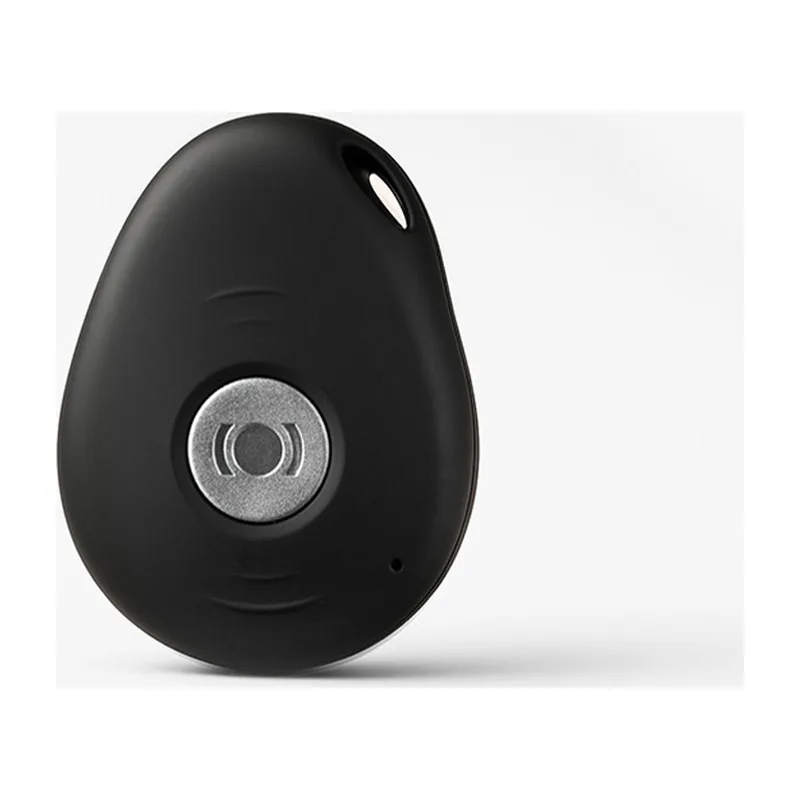
The Pico is the highest placed device that you monitor yourself: SOS, fall alarm and two-way calls go to the contacts you choose in MiniFinder's app. It costs £270 and then 10 euros a month on the Basic plan billed yearly, and at 40 g with an IP67 rating it is the lightest device with a stated weight, level with the Veo.

Nobody is paid to answer. If the people on the alert list miss the call, nothing escalates to the police the way a BS 8484 service can, and MiniFinder states no BS 8484 certification. The battery lasts 36–40 hours, against six days for the MySOS.

Pros

  • Plans from 10 euros a month billed yearly
  • Fall alarm included on every plan
  • 40 g, IP67 and a three year guarantee

Cons

  • No alarm receiving centre or BS 8484 stated
  • 36–40 hour battery
  • Plans billed in euros

How the score was calculated

  • Alarm response and monitoring (25 %)48/100
  • Emergency features (20 %)78/100
  • Two year cost per user (20 %)78/100
  • Battery, size and toughness (15 %)60/100
  • Reviews and published results (10 %)72/100
  • Contract and ordering (10 %)85/100
Read the full assessment of MiniFinder Pico
Alarm response and monitoring48/100

Alarms, fall alerts and geofence warnings go to pre-set contacts through MiniFinder Live, and several people can manage and respond to the same device. MiniFinder's lone worker page frames this as colleagues or designated contacts being alerted and mentions no alarm receiving centre for the Pico, which is why it trails the monitored devices here.

Emergency features78/100

SOS button, automatic fall alarm, two-way calling, live GPS, virtual fences and low battery alerts are all on the Basic plan, so no safety feature is sold as an add-on. MiniFinder's plan table puts the web portal and priority support on Premium only, which matters if a manager wants to watch alarms on a desktop.

Two year cost per user78/100

The device is £270 at MiniFinder, including VAT. Basic costs 120 euros a year or 12 euros a month, Premium 144 euros a year or 15 euros a month, so two years add 240 to 360 euros. Plans are billed in euros, so the pound cost moves with the exchange rate; at the European Central Bank rate on 19 November 2026, 240 euros was about £201. MiniFinder's shop says its prices are displayed including VAT.

Battery, size and toughness60/100

MiniFinder quotes 36–40 hours at a five minute update interval and 72 hours on standby from an 800 mAh battery. It is IP67 rated, 60 x 41 x 16 mm and has a three year guarantee, which MiniFinder gives on all three of its devices here while Peoplesafe and Safepoint state none.

Reviews and published results72/100

The Pico has 4.91 out of 5 from 33 reviews in MiniFinder's own shop, checked on 20 November 2026. The reviews shown are mostly from Swedish and Danish customers, translated into English, and largely describe private use such as children and older relatives. No independent review was found, so the placement rests on these reviews and MiniFinder's specifications.

Contract and ordering85/100

Orders go through MiniFinder's online shop with delivery in 1–3 days according to the shop, and the plan is chosen when the device is activated. A plan billed monthly is available, while every monitored service here asks for at least 12 months.

Peoplesafe MySOS ID Badge 4G

Rank 5 of 7Longest battery life

Peoplesafe MySOS ID Badge 4G

6.8out of 10

Suits you if your staff make home visits or work front of house and need an alarm that looks like an ordinary ID badge holder.

£77.99 at Peoplesafe, 20 November 2026View price at PeoplesafePrices change, so please check the price with the retailer.

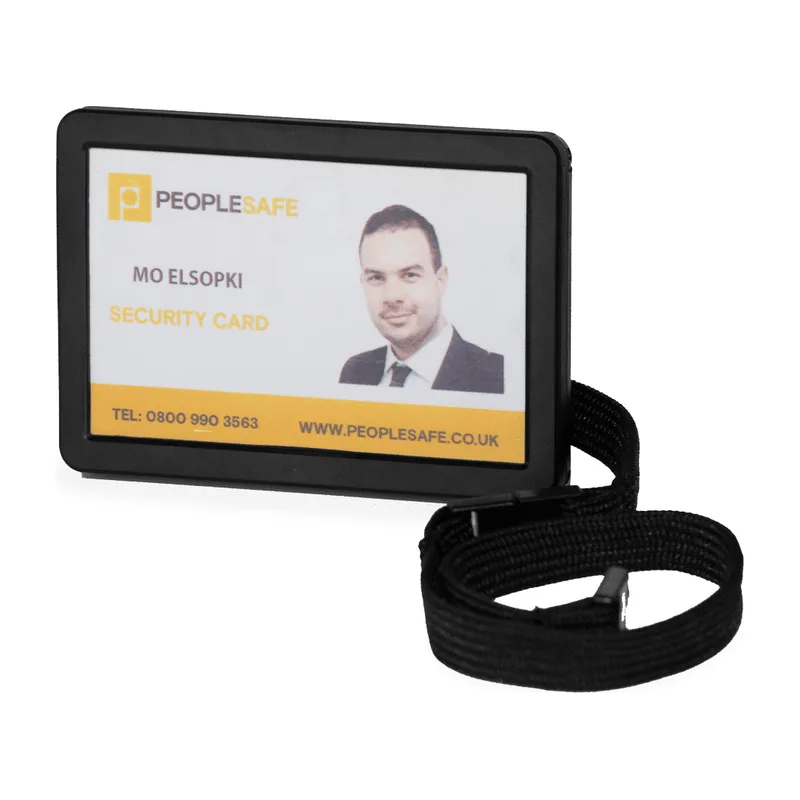
The ID Badge 4G hides the alarm in a badge holder and has the longest quoted battery here, 11 working days. Like the MySOS it calls Peoplesafe's alarm receiving centre, certified to BS 8484:2022, and gives location with what3words references.

Peoplesafe lists no fall detection for it, and at £77.99 upfront plus £23.99 a month including VAT it is the most expensive device here to run: £653.75 over two years, £112.80 more than the MySOS Premium. As with the MySOS, no published reviews of it were found.

Pros

  • 11 working day battery
  • Looks like an ordinary ID badge
  • BS 8484:2022 certified monitoring

Cons

  • No fall detection listed
  • Highest two year cost here
  • No independent review or customer ratings found

How the score was calculated

  • Alarm response and monitoring (25 %)93/100
  • Emergency features (20 %)62/100
  • Two year cost per user (20 %)51/100
  • Battery, size and toughness (15 %)80/100
  • Reviews and published results (10 %)30/100
  • Contract and ordering (10 %)68/100
Read the full assessment of Peoplesafe MySOS ID Badge 4G
Alarm response and monitoring93/100

Alarms reach the same Peoplesafe alarm receiving centre as the MySOS, with two-way audio and the URN route to police control rooms that Peoplesafe describes for its certified service. On this criterion the badge and the MySOS are level.

Emergency features62/100

SOS with two-way audio, GPS with what3words, real-time tracking and 4G are listed. Fall detection is not mentioned on the product page, so a worker who collapses has no automatic way to raise the alarm; the MySOS Premium and all three MiniFinder devices have it. The badge format suits housing officers and carers who would rather not wear visible safety kit.

Two year cost per user51/100

The badge costs £77.99 upfront and £23.99 a month on a 12 month contract, including VAT; Peoplesafe's shop data shows its prices before VAT. Over two years that is £653.75, the highest total on this page.

Battery, size and toughness80/100

Peoplesafe quotes 11 working days, nearly twice the MySOS and several times the MiniFinder devices. Waterproof rating, weight and size are not stated.

Reviews and published results30/100

No independent review and no customer ratings of the ID Badge 4G at a UK retailer were found. The assessment is based on Peoplesafe's specifications only.

Contract and ordering68/100

Ordering works as for the MySOS: up to nine devices in the online shop on a 12 month Direct Debit, larger orders through sales.

MiniFinder Nano

Rank 6 of 7

MiniFinder Nano

6.6out of 10

Suits you if your lone workers move between indoor sites and you want a watch that finds them by Wi-Fi as well as GPS.

£288 at MiniFinder, 20 November 2026View price at MiniFinderAffiliate link

The Nano puts the Pico's idea on the wrist and adds Wi-Fi and Bluetooth for indoor positioning, with optional iBeacons, alongside SOS, fall alarm and two-way calls. It costs £288, £18 more than the Pico, on the same plans from 10 euros a month billed yearly.

The battery is its weak point: MiniFinder quotes up to 24 hours on the specification sheet and 32 hours of active use in its FAQ, the shortest here. Alarms go to colleagues, not a certified alarm receiving centre, as with the Pico.

Pros

  • Wi-Fi, Bluetooth and optional beacons for indoor location
  • Wear detection
  • Fall alarm on every plan

Cons

  • Up to 24 hours on the specification sheet
  • No alarm receiving centre or BS 8484 stated

How the score was calculated

  • Alarm response and monitoring (25 %)48/100
  • Emergency features (20 %)84/100
  • Two year cost per user (20 %)75/100
  • Battery, size and toughness (15 %)50/100
  • Reviews and published results (10 %)64/100
  • Contract and ordering (10 %)85/100
Read the full assessment of MiniFinder Nano
Alarm response and monitoring48/100

As with the Pico, alarms go to contacts set up in MiniFinder Live rather than an alarm receiving centre, and no BS 8484 certification is stated. Several users can respond to the same alarm through the multi control function.

Emergency features84/100

On top of SOS, fall alarm, two-way calling and geofences, the Nano detects whether it is being worn and uses Wi-Fi networks to locate the wearer indoors, with iBeacons as an option where there is no Wi-Fi. That gives it better indoor location than the Pico, which relies on GPS.

Two year cost per user75/100

At £288 including VAT plus 240 euros for two years of Basic billed yearly, it costs a little more than the Pico over two years and less than the Veo, whose plans start at 17 euros a month.

Battery, size and toughness50/100

The two figures, 24 hours on the specification sheet and 32 hours active with 120 hours standby in the FAQ, come from a 300 mAh battery charged by magnetic cable. It is IPX7 rated, 47 x 41 x 16 mm and 60 g, the heaviest MiniFinder here, with a three year guarantee. Plan for a daily charge.

Reviews and published results64/100

The Nano has 4.78 out of 5 from 23 reviews in MiniFinder's shop, checked on 20 November 2026; one reviewer added a beacon to stretch the battery. No independent review was found.

Contract and ordering85/100

Ordering and plans match the Pico: online purchase, delivery in 1–3 days according to MiniFinder, and a plan chosen at activation.

MiniFinder Veo

Rank 7 of 7

MiniFinder Veo

6.5out of 10

Suits you if you work in retail, reception or security and want an alarm that passes for an ordinary smartwatch.

£300 at MiniFinder, 20 November 2026View price at MiniFinderAffiliate link

The Veo is MiniFinder's professional model: a 40 g watch with SOS, fall detection, indoor and outdoor positioning, and alarms that colleagues' Veo watches receive directly. Its plans are the only MiniFinder plans that list support for an alarm centre connection, and its 48 hour battery is the longest of the three MiniFinders.

It costs £300 plus at least 17 euros a month on a 24 month plan, 408 euros over two years, the dearest MiniFinder to run, and MiniFinder names no BS 8484 certified centre for it. With 12 shop reviews it also has the thinnest evidence of the three.

Pros

  • Looks like a normal smartwatch
  • Colleague-to-colleague alarms
  • Indoor and outdoor positioning
  • Plans support an alarm centre connection

Cons

  • Highest running cost of the MiniFinders
  • Only 12 customer reviews
  • No BS 8484 centre named

How the score was calculated

  • Alarm response and monitoring (25 %)56/100
  • Emergency features (20 %)88/100
  • Two year cost per user (20 %)53/100
  • Battery, size and toughness (15 %)62/100
  • Reviews and published results (10 %)55/100
  • Contract and ordering (10 %)82/100
Read the full assessment of MiniFinder Veo
Alarm response and monitoring56/100

Alarms go to MiniFinder Live and, through what MiniFinder calls internal alarming, straight to colleagues wearing a Veo. All three plans list support for an alarm centre connection, but MiniFinder does not name a centre or state BS 8484 certification. It scores above the Pico and Nano for that option and well below the monitored services.

Emergency features88/100

SOS, fall detection and two-way calls are joined by GPS, GLONASS and Galileo outdoors and Wi-Fi and Bluetooth indoors, plus a 1.3 inch screen. MiniFinder pitches the watch look as a way to avoid escalating a tense situation with visible safety kit, a point that matters more in a shop than on a building site.

Two year cost per user53/100

The watch is £300 including VAT. Plans cost 17 euros a month on 24 months, 21 euros on 12 months and 26 euros with no fixed term, so two years add 408 to 624 euros.

Battery, size and toughness62/100

MiniFinder quotes up to 48 hours at a three minute interval from a 600 mAh battery. It is IPX7 rated, 47 x 42 x 15 mm, 40 g and has a three year guarantee.

Reviews and published results55/100

The Veo has 12 reviews in MiniFinder's shop, shown as 4.92 out of 5 on MiniFinder's lone worker page on 20 November 2026. Twelve reviews is close to the minimum this comparison counts. No independent review was found.

Contract and ordering82/100

It is bought online like the other MiniFinders, and the no term plan at 26 euros a month is the only option here that the provider says can be cancelled at any time.

All lone worker devices side by side

Click a column heading to sort.

Peoplesafe MySOSPeoplesafe MySOS7.5£65.9924/7 Peoplesafe alarm receiving centreyes, Premium plan only£540.95 including VAT on Premium
Safepoint Lone Worker DeviceSafepoint Lone Worker Device7.2£7224/7 ADT powered Category 1 alarm receiving centreoptional, £1.19 a month£561.12 including VAT, with fall detection
Vatix Safe ProVatix Safe Pro7.2£7224/7, two UK monitoring centres with direct police control room accessoptional, £1.20 per device a month£509.76 including VAT at the 10 device rate with fall detection; single device price not stated
MiniFinder PicoMiniFinder Pico6.8£270self monitored by chosen contacts in MiniFinder Liveyes, on all plans£270 plus 240 euros (Basic, billed yearly)
Peoplesafe MySOS ID Badge 4GPeoplesafe MySOS ID Badge 4G6.8£77.9924/7 Peoplesafe alarm receiving centrenot stated£653.75 including VAT
MiniFinder NanoMiniFinder Nano6.6£288self monitored by chosen contacts in MiniFinder Liveyes, on all plans£288 plus 240 euros (Basic, billed yearly)
MiniFinder VeoMiniFinder Veo6.5£300self monitored in MiniFinder Live with colleague alarms; plans support an alarm centre connectionyes£300 plus 408 euros (24 month plan)

In depth: lone worker devices explained

Without independent reviews, certification and shop ratings carry the weight

Lone worker devices are bought mostly by organisations on contract, and none of the UK's consumer testers or technology review sites has published a readable assessment of the seven devices here. That leaves this comparison with three kinds of evidence of different strength: what the providers specify, which certification they state, and what customers say.

Certification is the strongest of the three for the monitored devices, because BS 8484 is audited by a third party and covers how alarms are handled. It says nothing about how comfortable a device is to wear, how easy the SOS button is to press by accident or how well fall detection works in daily use. On those questions the MySOS, ID Badge 4G, Safepoint and Vatix devices have no published evidence at all, which is why they share the same low score on the reviews criterion.

The MiniFinder devices have customer ratings: 33 reviews for the Pico, 23 for the Nano and 12 for the Veo, all in MiniFinder's own shop. They are high, 4.78 to 4.92 out of 5, but they come mostly from Swedish and Danish buyers, many using the devices for children or elderly relatives, and are collected by the seller. They count here, weighed by volume, without being treated as proof that a device copes on a building site.

The result is that the top three places rest on specifications and certification, not on reviews of the devices themselves. If you are buying for a team, ask the provider for a demonstration unit or a short trial and press every button before signing.

The MySOS and the Safe Pro make the same promise and price it differently

On paper, Peoplesafe's MySOS and Vatix's Safe Pro are close: a clip-on 4G alarm with SOS, two-way audio, GPS and Wi-Fi location, a roaming SIM and a BS 8484:2022 certified alarm receiving centre with a route to police control rooms. The differences are in battery, ordering and how the price is built.

Vatix quotes up to 7 days of battery against Peoplesafe's 6. Peoplesafe lets you buy up to nine devices in an online shop, while Vatix shows prices in a calculator but takes orders through its sales team. Peoplesafe includes fall detection in Premium at £19.79 a month; Vatix charges £1.20 a month on top of a rate that depends on volume and term.

For a single user over two years, Peoplesafe's figure is fixed at £540.95 on Premium, including VAT like every price here. Vatix's is £509.76 at its ten device rate, but its product data gives monthly rates up to £21.24, which with fall detection and the device fee would put one device at £610.56. Over three years the gap widens in Vatix's favour for a team: its 36 month rate with fall detection comes to £535.68 per device, against £778.43 for three years of MySOS Premium. A sole trader who needs one device for a year knows exactly what Peoplesafe costs before calling anyone.

Within Peoplesafe's own range the choice is simpler. The ID Badge 4G costs £4.20 a month more than the MySOS Premium, lasts 11 working days instead of six and looks like a staff pass, but no fall detection is listed for it. For someone visiting tenants or patients, where a calm appearance matters and a fall is unlikely, the badge earns its premium; for anyone on a ladder or a loading bay, the MySOS is the better buy.

Safepoint fits between them. It states more about the hardware, IP67 and 53 g, and sells online with clear contract prices, but its battery is shorter at 3–5 days, fall detection is extra, VAT is mentioned only in its licence terms, and it does not say whether it holds police URNs.

Pico, Nano or Veo: three ways to monitor your own staff

The three MiniFinder devices share the app, the fall alarm and the three year guarantee, and differ in where they are worn and how they find the wearer. The Pico is a 40 g clip or pendant with GPS and the most reviews, 33. The Nano is a 60 g watch with Wi-Fi and Bluetooth indoors and the shortest battery. The Veo is a 40 g watch made for professional use, with colleague-to-colleague alarms and plans that support an alarm centre connection.

For outdoor work such as grounds maintenance or rural deliveries, the Pico makes most sense: GPS is what matters, its battery outlasts the Nano's and it is the cheapest MiniFinder to buy. For a cleaner moving between office blocks, the Nano's Wi-Fi positioning gives a more useful indoor location, at the price of a daily charge. In a shop or on a reception desk, where a visible alarm could make a situation worse, the Veo's smartwatch look and colleague alarms are the reason to pay its higher plan price.

All three depend on the people on the contact list. MiniFinder's multi control function lets several people receive and respond to the same alarm, and it is worth using: one manager with a phone on silent is a single point of failure. Where you cannot be sure of a response at every hour your staff work alone, a monitored device further up the list is the safer purchase.

How we compared

We compared 7 lone worker devices on sale in the UK, as of 20 November 2026. Each model gets 0–100 points for each criterion below. The score is the weighted average, converted to a scale of 0 to 10. It is based on manufacturers' specifications and manuals, independent tests where they exist, and customer reviews.

  • 25 %Alarm response and monitoring

    Who receives the alarm and how it is handled. A 24/7 alarm receiving centre certified to BS 8484:2022 scores highest and self monitoring by colleagues lowest, because it depends on someone answering.

  • 20 %Emergency features

    SOS button, two-way voice, automatic fall or man down detection, indoor and outdoor location and extras such as geofences, and whether key features cost extra.

  • 20 %Two year cost per user

    The upfront fee plus 24 months of the cheapest plan with fall detection where it is offered, per user, including 20% VAT. Euro plans are converted at the European Central Bank rate, and where the price for a single user is not stated, the middle of the published range is used.

  • 15 %Battery, size and toughness

    Battery life between charges, waterproof rating, size, weight and guarantee, as stated by the manufacturer.

  • 10 %Reviews and published results

    Independent reviews and customer ratings of the exact device, weighed by volume. A device without ratings never scores above one with good ratings.

  • 10 %Contract and ordering

    How easily a small employer or a self-employed buyer can order, how long the contract runs and how clearly prices and VAT are shown.

What this comparison does not cover

No independent reviewer has published a freely readable assessment of any lone worker device on this page. Which?, Good Housekeeping and the UK technology review sites do not cover the category, and we found no readable trade magazine review either. That leaves two kinds of evidence. Customer ratings exist only for the three MiniFinder devices, 12 to 33 reviews each in MiniFinder's own shop, mostly from Swedish and Danish customers and largely about private use. For the Peoplesafe MySOS, Safepoint and Vatix devices, which take the top three places, and for the ID Badge 4G, we found no customer ratings at a UK retailer, so their placements rest only on the providers' specifications and their stated BS 8484:2022 certification. We have not verified the certificates with the certification bodies. Several established providers, including SoloProtect, Twig, Pick Protection, Vismo and Lone Worker Solutions, quote prices only on request and are not included, even though their devices may suit you. Weight, waterproof rating or guarantee terms are not stated for several monitored devices, Peoplesafe, Safepoint and Vatix show their prices before VAT; every price on this page includes 20% VAT, so the providers' own figures are lower. Vatix publishes no single device price, so its running cost is scored on the middle of its published range. MiniFinder bills its plans in euros, converted only to score running costs. Response times are the providers' own figures. Lone worker apps on a smartphone are a separate category and are not compared here.

Commission never affects the score or the ranking. Where quality is comparable, we give preference to models sold by retailers we work with. If a detail is missing, we say so instead of guessing. More about how we compare.

Buying guide: choosing the right lone worker device

The person who answers is worth more than any feature on the device

Every device here has an SOS button; what differs is what happens in the next 30 seconds. With the MySOS, the ID Badge 4G, Safepoint and Vatix, the alarm opens a call to an alarm receiving centre staffed day and night. An operator listens, speaks to the worker if it is safe, looks up the location and follows the escalation plan your business agreed in advance. With the MiniFinder Pico and Nano, the alarm goes to whoever you put on the contact list in MiniFinder Live, usually a manager or colleagues.

Self monitoring works when someone is reliably awake, reachable and able to act. A two person cleaning firm where the owner keeps the phone on overnight may be fine with a Pico. A care agency with staff on night visits across a county, or a sole trader working in empty properties, has no such certainty, and an unanswered alarm can be worse than none because the worker believes help is coming.

HSE's guidance tells employers to keep in touch with lone workers, know where they are, provide ways of raising the alarm and check that these systems work. It does not require an alarm receiving centre. That decision belongs in your risk assessment: the higher the risk of violence, injury or collapse, and the less certain it is that a colleague will pick up, the stronger the case for a monitoring fee. For most small employers with staff out alone after hours, that makes a monitored device the best lone worker device to start from.

The Veo sits between the two models. Colleagues wearing a Veo receive each other's alarms directly, and MiniFinder's plans list support for an alarm centre connection, though no BS 8484 centre is named. In a shop where staff share a floor but are out of sight of each other, that may be enough; on a lone night shift it is not the same as a certified service.

BS 8484 certifies the service behind the button, not the plastic in your hand

BS 8484 is the British Standard code of practice for lone worker device services, first published in 2009 and revised in 2011, 2016 and 2022. It covers the device or app, the supplier and the alarm receiving centre together. According to SoloProtect's summary of the standard, a device should connect to the centre within 30 seconds of the button press, and staff handling alarms must be security screened.

The practical payoff is the police response. A certified provider that also follows the National Police Chiefs' Council guidelines can hold a Unique Reference Number for each force, which lets its operators call a police control room directly with a verified incident and a location instead of dialling 999. Peoplesafe says it holds URNs for every UK force, Vatix describes direct police control room access, and Safepoint's pages state BS 8484:2022 accreditation without mentioning URNs.

Because certification belongs to the service, the same kind of hardware can be certified with one provider and not with another. The MiniFinder devices show this: they have SOS, two-way calls and fall alarms, but MiniFinder does not state BS 8484 certification, so an alarm handled by your colleagues gets no priority with the police. If your insurer, a client contract or a public sector tender asks for BS 8484, only the four monitored devices here meet it on the providers' own statements.

Ask any provider for its certificate and the name of the certification body, usually NSI or SSAIB, and check that the scope covers lone worker services rather than alarm monitoring in general. This comparison relies on what the providers state on their own sites.

Over two years the subscription dwarfs the device price

Upfront prices in this category look almost random until the monthly fee is added. The MySOS Premium is £65.99 upfront and the MiniFinder Pico £270, yet the MySOS runs to £540.95 over two years because of its £19.79 monthly fee. The Pico adds 240 euros on its cheapest plan, so its device is more than half of the two year bill while the MySOS device is about an eighth.

Every price on this page includes 20% VAT, but the monitored providers show theirs before VAT: Vatix says so beside every price, Peoplesafe in its shop data and terms and Safepoint in its licence terms. Including VAT, two years with fall detection cost £509.76 at Vatix's ten device rate, £540.95 for the MySOS, £561.12 at Safepoint and £653.75 for the ID Badge 4G. A VAT registered business can usually reclaim the VAT, so its real cost is a sixth lower than these figures, while a sole trader below the VAT threshold pays them in full.

Contract length changes the picture again. Vatix drops from £17.04 a month on 12 months to £13.68 on 36 months and £11.64 on 60, at its ten device rate, and lists its £72 device fee only for the 12 month term. Safepoint goes from £22.79 a month on one year to £17.99 on three. Committing for longer saves money if the staff and the risk will still be there; a seasonal business or a contractor on a fixed project is better off on the shortest term, even at a higher rate.

MiniFinder sells its devices in pounds but bills its plans in euros, so the running cost in pounds follows the exchange rate. The Veo's 24 month plan alone adds 408 euros, against 240 for the Pico and Nano on Basic billed yearly. Volume matters at Vatix in particular: its published product data gives a monthly range of £9.96 to £21.24 per device including VAT, so the ten device figure used here may not apply to a single user.

Fall detection is the feature you hope never to use, and some plans leave it out

A panic button only helps a worker who can reach it. Fall or man down detection raises the alarm automatically when the device senses a fall, which covers a ladder slip, a faint or an assault that leaves someone unable to move. It is included on all three MiniFinder devices and on the MySOS Premium, sold as an add-on by Safepoint and Vatix, and not listed at all for the ID Badge 4G.

The add-on prices are small next to the monthly fee: £1.19 at Safepoint and £1.20 at Vatix, about £29 over two years. Peoplesafe's Premium plan costs £1.80 a month more than Standard and includes a clip holster as well. Choosing the cheaper monitored configuration without fall detection is a false saving for anyone working at height, around machinery or with a known medical condition.

Safepoint also sells tilt detection at £1.19 a month. It raises an alarm if the device stays tilted more than 45 degrees for three minutes, aimed at a worker who slumps rather than falls hard, and Safepoint says its fall sensor ignores small bumps and knocks.

No manufacturer publishes how often its fall detection misses a fall or raises a false alarm, and no independent review has measured it on these devices. False alarms matter more with a monitored service, where an operator follows up each one, than with self monitoring. The Nano also checks that it is being worn, which helps where a watch might be taken off and left in a locker.

A six day battery is worth little if the device stays in the van

Battery figures here run from up to 24 hours for the MiniFinder Nano to 11 working days for the Peoplesafe ID Badge 4G. Between those sit the Pico at 36–40 hours, the Veo at up to 48 hours, Safepoint at 3–5 days, the MySOS at six days and the Vatix Safe Pro at up to seven. MiniFinder ties its figures to an update interval of three or five minutes, so they fall if you ask for positions more often.

Short battery life is manageable with a routine. A worker who docks a Nano at home every night will rarely run flat on a single shift. Someone on back-to-back shifts, or a manager handing devices from one member of staff to the next, is better served by the multi-day monitored devices, and Safepoint and Vatix both supply a charging dock for that reason.

Form factor decides whether the device is carried at all. The ID Badge 4G hangs where a staff pass would, the Nano and Veo go on the wrist, and the Pico, MySOS, Safepoint and Vatix devices clip to a belt or hang on a lanyard. A device at the bottom of a bag is slow to reach in a confrontation. For outdoor jobs in the rain, waterproofing matters: the Pico is IP67, Safepoint IP67 to one metre, the Nano and Veo IPX7, while Peoplesafe calls the MySOS waterproof without a rating and Vatix states none.

Weight is known only for some devices: 40 g for the Pico and Veo, 53 g for Safepoint and 60 g for the Nano. MiniFinder states a three year guarantee and Vatix says the manufacturer's warranty runs for the length of its rental contract, while Peoplesafe and Safepoint do not state guarantee terms.

GPS alone can put a worker on the wrong floor

GPS works best outdoors and struggles inside large buildings, basements and car parks, which is where many lone workers spend their day. All seven devices report a location when an alarm is raised, but they differ indoors. The MySOS and Vatix Safe Pro add Wi-Fi positioning as standard, the Nano and Veo use Wi-Fi and Bluetooth, and Safepoint offers Wi-Fi activation at £12 per network and location beacons from £15.59 each that name the room or zone.

Beacons suit a fixed site such as a warehouse, a hospital wing or a block of flats, where you mount them once and the operator sees a named area instead of a dot on a map. The Nano supports iBeacons for the same purpose. On a mobile job, such as a meter reader going from house to house, they add nothing, and GPS with a what3words reference, as on the ID Badge 4G, is the more useful detail for a responder.

Coverage is the other half. Peoplesafe and Vatix use roaming SIMs that switch between networks, Vatix naming O2, Vodafone, EE and Three, and Safepoint includes a multi-network SIM. MiniFinder's devices use LTE Cat-M1, a low power form of 4G, and MiniFinder says they work in more than 200 countries. None of the providers publishes where its devices lose signal, so if your staff work in remote valleys or deep basements, ask for a trial period before signing a long contract.

The law asks for a system, and the device is only one part of it

Under the Management of Health and Safety at Work Regulations, employers must manage the risks to lone workers, and HSE says this also covers people contracted to work for you, including the self-employed. HSE lists risks such as violence, stress and isolated workplaces, and says some work, such as work in confined spaces or near exposed live conductors, needs at least one other person present. No device makes that kind of work acceptable alone.

HSE expects you to train lone workers in any technical solution you give them, agree how and when they keep in touch, and have a reliable way of knowing they have returned to base. A device without a written escalation plan, agreed with the alarm receiving centre or among your own staff, does not meet that on its own.

HSE also asks employers to check monitoring systems and emergency procedures regularly. With a monitored service, agree how practice alarms are flagged so operators do not escalate them. With a MiniFinder device, set up the contact list so that more than one person receives every alarm, and run a planned alarm now and then to confirm phones are on and people know what to do.

Self-employed people working alone have nobody to set this up for them. The MySOS and ID Badge 4G can be ordered online from a single device and Safepoint sells online too, which may be the simplest way to have someone answer when nobody else will.
Frequently asked questions

What is the best lone worker device in the UK?

The Peoplesafe MySOS is our top pick. It sends alarms to a 24/7 alarm receiving centre certified to BS 8484:2022, includes fall detection on the Premium plan and quotes a six day battery, for £65.99 upfront and £19.79 a month, both including VAT. If colleagues can answer alarms themselves, the MiniFinder Pico is the strongest self monitored option.

How much does a lone worker device cost?

Upfront prices here run from £65.99 to £300 including VAT, but the monthly fee matters more. The monitored services charge £17.04 to £23.99 a month including VAT on 12 month contracts, and MiniFinder's self monitored plans start at 10 euros a month billed yearly. Over two years one monitored user costs £509.76 (Vatix at its ten device rate) to £653.75 including VAT on the devices compared here.

What is BS 8484?

BS 8484 is the British Standard code of practice for lone worker device services, last revised in 2022. It covers the device, the supplier and the alarm receiving centre, including how quickly an alarm should connect. Certified providers that follow police guidelines can escalate an alarm through a Unique Reference Number straight to a police control room.

Do I need a lone worker device with an alarm receiving centre?

Not by law. HSE requires employers to manage lone working risks, keep in touch with lone workers and provide a way to raise the alarm, but does not demand a monitoring centre. A centre makes sense when nobody can be relied on to answer at every hour your staff work alone, or when a contract or insurer asks for BS 8484.

Do lone worker devices have fall detection?

Most of the devices here do, but not always as standard. The MiniFinder Pico, Nano and Veo include it, the Peoplesafe MySOS has it on Premium, Safepoint and Vatix charge £1.19 and £1.20 a month for it, and Peoplesafe lists none for the ID Badge 4G.

Can I get a lone worker alarm if I am self-employed?

Yes. Peoplesafe sells the MySOS and ID Badge 4G online from a single device, Safepoint sells online on one to three year contracts, and MiniFinder sells to anyone. HSE notes that duties towards lone workers also cover self-employed people working for someone else, so a client may ask what you use.

Is a lone worker app enough instead of a device?

An app uses the worker's own phone and usually costs less, but it depends on that phone being charged and within reach. Dedicated devices add a physical SOS button, fall detection and their own SIM. Vatix and Peoplesafe sell both, and Vatix suggests devices for higher risk roles and the app for lower risk ones.

How long does a lone worker device battery last?

From up to 24 hours for the MiniFinder Nano to 11 working days for the Peoplesafe ID Badge 4G, according to the manufacturers. The MySOS is quoted at six days and the Vatix Safe Pro at up to seven. MiniFinder's figures assume a position update every three or five minutes.

Are lone worker device prices quoted with VAT?

Often not. Vatix shows every price before VAT, Peoplesafe's shop data and terms mark its prices the same way, and Safepoint's licence terms say its fees exclude VAT. MiniFinder shows prices including VAT. Every price on this page includes 20% VAT, and a VAT registered business can usually reclaim it.

What happens when a lone worker presses the SOS button?

On a monitored device, the alarm opens a two-way call to an operator who listens, speaks to the worker if it is safe, checks the location and follows your agreed escalation plan, which can include the police. On a self monitored MiniFinder device, the alarm and location go to the contacts you set up in the app, and they can talk to the wearer through the device.

Does a lone worker device work outside the UK?

Some do. MiniFinder says its devices work in more than 200 countries, and Peoplesafe describes the MySOS SIM as roaming on any network. Vatix names the four UK networks its SIM switches between and does not mention roaming abroad. Check with the provider whether the alarm receiving centre handles alarms from abroad before a work trip.

Which lone worker device is the most discreet?

The Peoplesafe ID Badge 4G looks like a staff badge holder and the MiniFinder Veo like an ordinary smartwatch. Both suit public-facing work where visible safety kit could inflame a situation. The Veo has fall detection, while no fall detection is listed for the ID Badge 4G.

Sources

More comparisons in Electronics & Computers

Everything in Electronics & Computers