In depth: personal alarms for elderly people explained
Service ratings say more about the call centre than the device
The customer ratings in this comparison measure two different things, and it is worth knowing which is which. Taking Care holds 4.5 out of 5 from 3,795 Trustpilot reviews, Careline365 4.6 from 10,204, SureSafe 4.8 from 1,168 and MiniFinder 4.2 from 668. Each score covers everything the company sells and is dominated by experiences of ordering, setting up and calling customer services. The share of one star reviews runs from 3 per cent at SureSafe to 6 per cent at Careline365 and MiniFinder.
Product reviews for the exact device exist only in MiniFinder's own shop: 31 for the Watch averaging 4.71 and 33 for the Pico averaging 4.91. They are closer to what matters, because they describe the watch or pendant in daily use, but they are few, collected by the seller, and written mostly by Nordic buyers. One of the 31 Watch reviews is a one star rating from a buyer who had not yet received the watch.
Neither kind of review answers the question families care about most: does the alarm work on the bad night? That is why fall detection and location scores stay cautious for every model, and why the larger score differences in this comparison come from facts the providers state, such as battery life, answer times and price. Customer comments still add useful detail. Taking Care reviewers mention long waits on the customer service line, Careline365 reviewers occasional false alarms, and a MiniFinder Watch owner in Finland notes that the Swedish eSIM number can make calls to local numbers cost extra.
Taking Care's pendant and watch share a team but not a routine
The Taking Care Anywhere and the Personal Alarm Watch both connect to the same 24/7 UK team with the same 30 second answer aim, so the choice between them comes down to how the wearer lives. The watch costs £119.99 up front against £84 for the Anywhere, but its plan is £72 a year lower with VAT, £381.46 against £453.46, which makes it £108.01 cheaper over two years.
The Anywhere earns its place at the top through the battery and the home kit. A pendant that runs a month or more, a spare pendant with a five year battery and a base unit that speaks to the team and keeps working in a power cut add up to the most forgiving setup here for someone who will not manage daily charging. The watch needs charging every two to three days and should come off in the bath or shower, which Taking Care itself names as the place where slips are most likely.
The watch wins on everything families see. The free Friends & Family app shows the wearer's location and battery, carries messages and voice notes, and sends reminders to the wrist, none of which the Anywhere offers. For a parent who is mobile, confident with a watch and happy to charge it at the same time as a phone, the watch gives relatives more insight for less money. For a parent who lives alone and tends to forget things, the Anywhere is the safer default. Couples tip the balance further towards the Anywhere: Taking Care allows its backup pendant to be used by a second person at the same address who only needs cover in the home and garden, provided you tell the company in advance.
What Which? does and does not say about personal alarms
Which? publishes a freely readable buying guide on personal alarms, updated in August 2026, but it has not assessed any of the devices here and says it has not reviewed the providers' services. What it does give is a market benchmark for GPS alarms, the most expensive type. Its figures exclude VAT; with VAT at 20 per cent added they come to a set-up fee of about £36 to £60 and £25.20 to £36 a month. Taking Care's watch at £31.79 falls inside that band and Careline's £36 monthly rate at its top, while the Anywhere at £37.79 and SureSafe's second year rate of £37.80 sit just above it and SureSafe's first year rate of £23.99 below it.
The same guide carries a product safety notice. Careline365 recalled its Q20 GPS Pendant Alarm, sold between 30 September and 28 October 2025, because the lanyard had no quick release break and posed a strangulation risk; Careline contacted buyers directly. Careline does not name the model on its current GPS pendant page, so if you are offered a used or older unit, ask which model it is.
In August 2025 Which? also checked how providers handled the move from analogue to digital phone lines and found Careline365, LifeConnect24 and SureSafe still selling analogue only home alarms; SureSafe told Which? that 99 per cent of the alarms it sells are SIM based. Taking Care and Telecare24 offered only digital or landline free devices. All seven alarms in this comparison run on mobile networks, so the switchover does not affect them, but the episode is a reminder to read the small print on any home unit sold alongside them.
Buying guide: choosing the right personal alarm for elderly people
A staffed response centre is what the monthly fee really buys
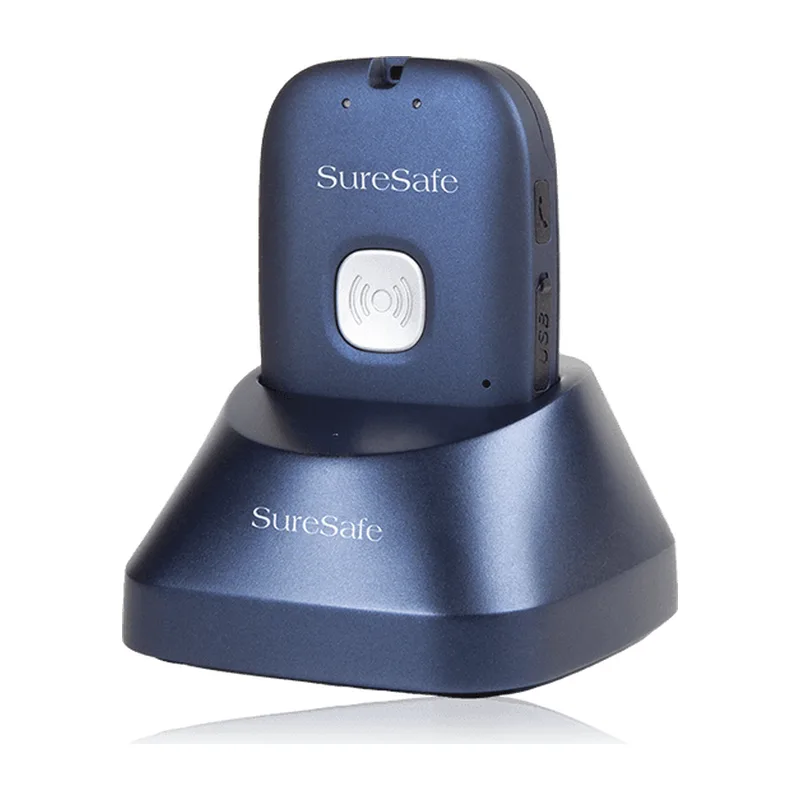
Four of the seven alarms here send an SOS press to a team that is awake at three in the morning; the other three ring relatives. That single difference explains most of the price gap. Including VAT, the SureSafeGO family watch costs £570 over two years and the SureSafeGO pendant with 24/7 monitoring £831.46, so SureSafe charges £261.46 over 24 months for putting a trained operator between the wearer and the family. Careline comes to £789 paid annually, and Taking Care to £882.91 for its watch and £990.92 for the Anywhere.
What the operator adds is certainty that someone answers. Careline says its average answer time was 12 seconds in November 2026 and that it aims to answer 97.5 per cent of calls within 60 seconds. Taking Care aims for 30 seconds. SureSafe does not state a figure. All three teams talk to the wearer through the device and then call a relative, a neighbour or 999, depending on the plan you agree when you sign up.
Family monitoring works when relatives live close, keep their phones on at night and agree among themselves who goes. SureSafe's family watch has human answer detection, so a voicemail greeting is not mistaken for someone picking up, and the MiniFinder Live app lets several people see and respond to the same alarm. It does not suit a wearer whose children live two hours away or work shifts, because an alert that nobody answers at 2am achieves nothing. For a couple living together, or a parent who lives with family and is mostly alone during working hours, the family route can be enough.
If you cannot decide, look at where the wearer spends the night. An alert raised at home in the small hours, when relatives are asleep, is precisely the gap a staffed centre fills.
Battery life decides whether the alarm is worn at all
An alarm on the bedside charger is no alarm, and the range in this comparison runs from one to two days to one to two months. The Taking Care Anywhere pendant lasts a month or more on a charge, according to Taking Care, and a backup pendant with a five year battery covers the home while the main one charges. The Careline pendant lasts one to two days, and Careline recommends charging it every night and again after every alarm call.
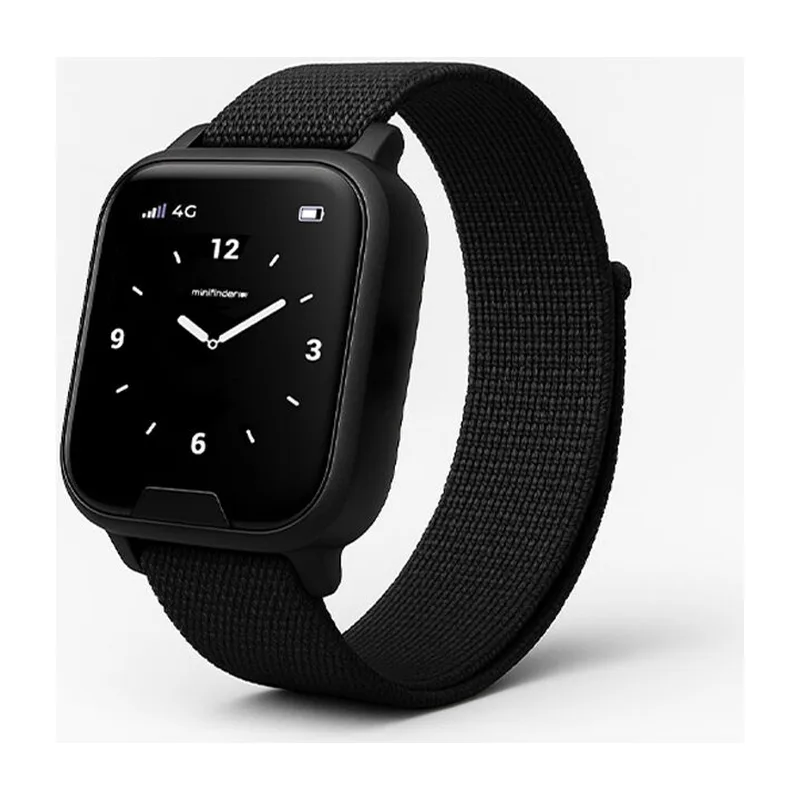
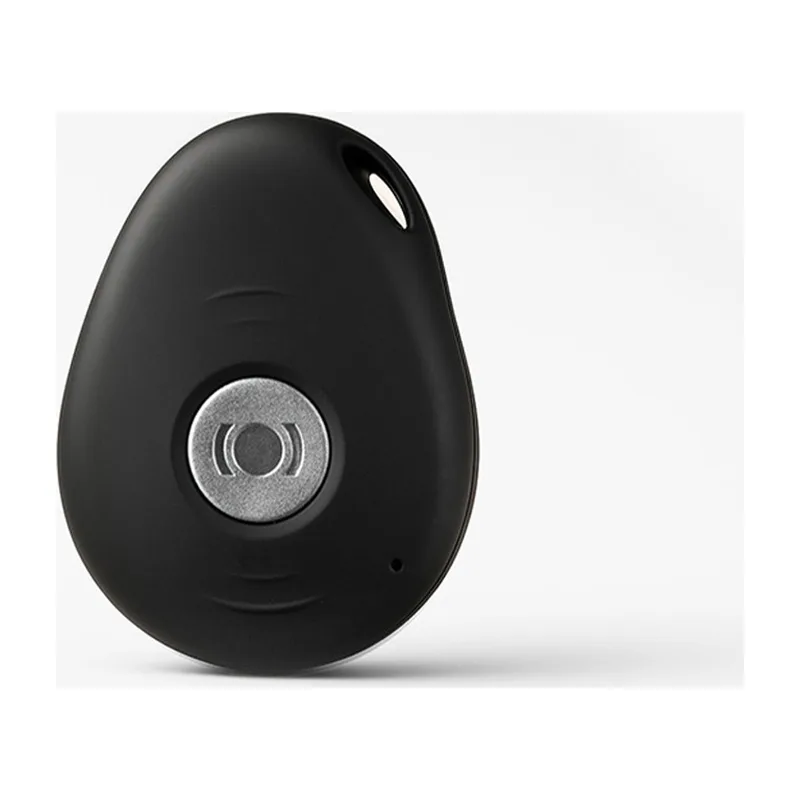
Between those extremes the watches cluster. Taking Care's watch lasts two to three days, the SureSafeGO family watch three to four, and the MiniFinder Watch up to 48 hours at a three minute update interval. The MiniFinder Pico lasts 36–40 hours at a five minute interval. Settings matter: SureSafe says its pendant drops from up to four days to one to two days once the geo-fence is switched on, because the device checks its position far more often.
Think about the person who will do the charging. Someone who already charges a phone every night may cope with a daily routine, and a watch on a magnetic cradle is easier than a fiddly cable. Someone with memory problems, or who lives alone without daily visits, is better served by the Taking Care Anywhere, where the long pendant battery and the home backup make a flat device far less likely. Every alarm here warns when the battery is low, either on the device or in the family app, but a warning only helps if somebody acts on it.
A long battery does not suit everyone, though. The Anywhere has no family app, so relatives cannot check its battery remotely the way SureSafe and MiniFinder users can.
The first year price is rarely the price you keep paying
Two of the four monitored services here quote a first year price that rises at renewal. Including VAT, SureSafe charges £287.86 for the first year of 24/7 monitoring, a saving of £165.74, and then £37.80 a month billed annually, or £453.60 a year. Careline knocks £30 off the first year when you pay annually, so £330 becomes £360 from the second year. Taking Care quotes the same £37.79 a month from the start, and MiniFinder's plans are flat but billed in euros.
That is why this comparison uses a two year total rather than the headline monthly figure. In the first year the SureSafeGO pendant looks cheaper than Careline's, £377.86 against £429 with the device, but the second year turns it round, £453.60 against £360. Over 24 months Careline's pendant is therefore the cheapest of the monitored options at £789, £42.46 below the SureSafeGO pendant and £93.91 below the Taking Care watch.
VAT is the other trap. Every price in this comparison includes VAT at 20 per cent, but Taking Care and SureSafe lead with prices before VAT, so the amount at checkout is higher than the headline figure: the Anywhere costs £84 to set up and £37.79 a month with VAT, and SureSafe's terms say all its quoted prices exclude VAT. Careline's terms say its prices include VAT, and MiniFinder's prices in pounds include it. Some buyers can claim VAT relief, because a personal alarm for someone with a long term illness or disability can be bought without VAT, but this comparison does not assume it.
Ownership differs too. The Taking Care Anywhere and the SureSafeGO pendant are rented as part of the service, so they go back when the plan ends, while Taking Care's watch, MiniFinder's devices and the SureSafe family watch are bought outright. Renting suits someone who wants faults handled for them; buying suits a family that expects to keep the device beyond two years.
Fall detection catches hard falls, not every fall
Every provider in this comparison says the same thing in its own words: the fall sensor recognises sudden, hard impacts and can miss a slow slide out of a chair or a fall broken by a hand on the wall. Taking Care, Careline and SureSafe all tell wearers to press the button whenever they can. That makes the SOS button the primary safety feature and fall detection a backup for the moment the wearer cannot reach it.
How the device is worn changes the picture, and providers say so: Careline notes that how and where you wear the device makes a difference to detection. Taking Care tells pacemaker users to wear its GPS pendant on a belt clip with fall detection switched off, and Careline advises them to choose its watch instead of a neck pendant.
No independent body has published how often these specific devices miss falls or trigger false alarms, so this comparison does not reward any of them for accuracy claims. If false alarms worry you, ask the provider whether the sensitivity can be adjusted before you buy. A monitored service is also more forgiving of a false alarm, because the operator simply checks the wearer is fine, whereas a family member may drive across town.
Fall detection is not a reason to choose an alarm over a doctor's advice on falls. It shortens the time before someone knows; it does nothing to prevent the fall.
A watch is easier to keep on, a pendant is easier to press
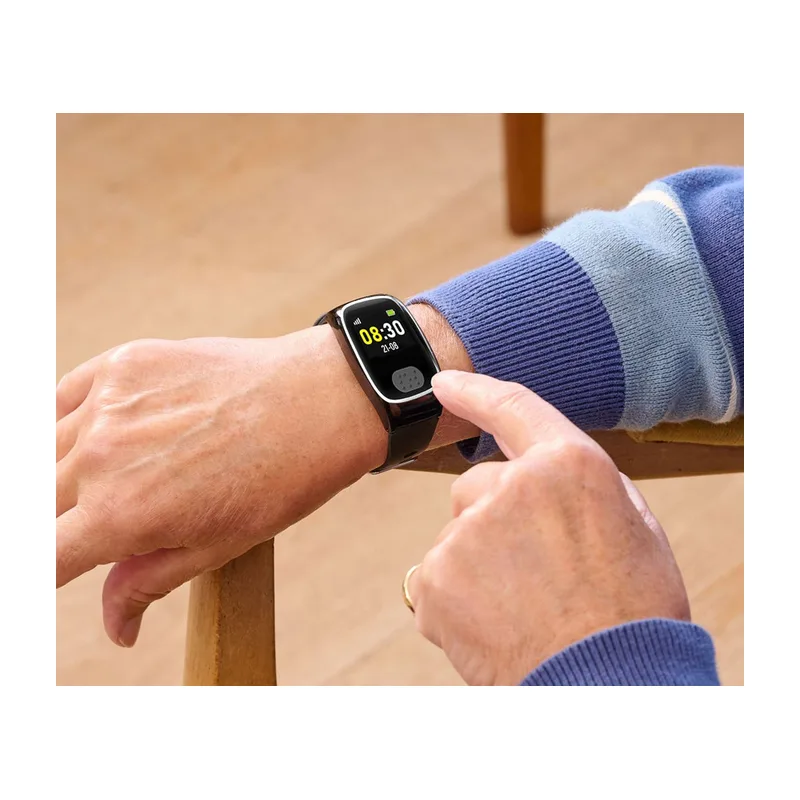
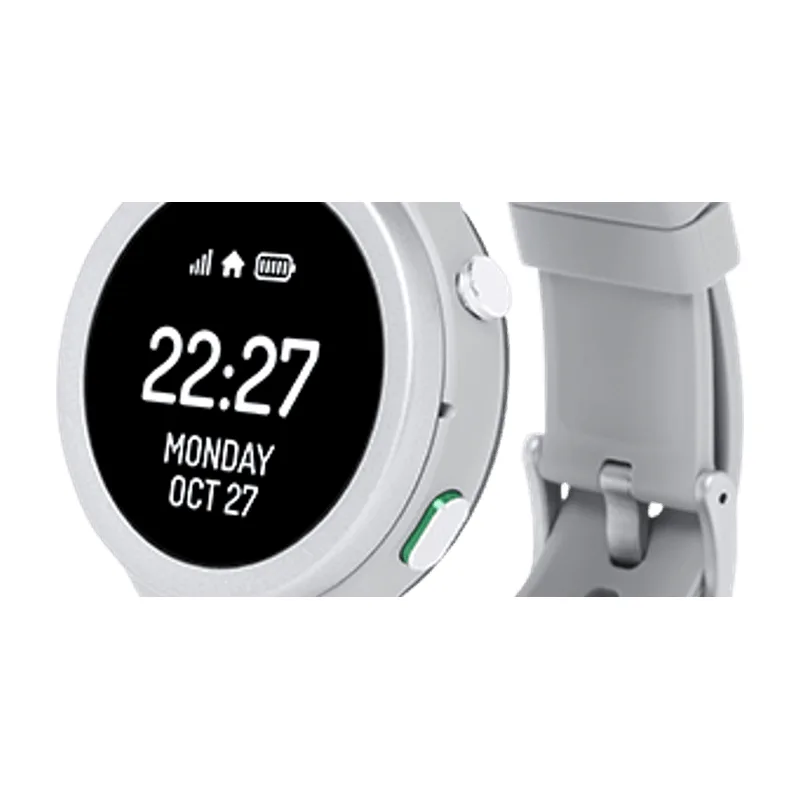
Three of the alarms here are watches and four are pendants or clip on devices, and the choice says more about the wearer than the technology. SureSafe and Taking Care both sell their watches on looking like an ordinary smartwatch, which matters to wearers who dislike the look of an alarm cord. The SureSafeGO and MiniFinder watches show the time, and the Taking Care and MiniFinder watches show reminders sent from the family app.
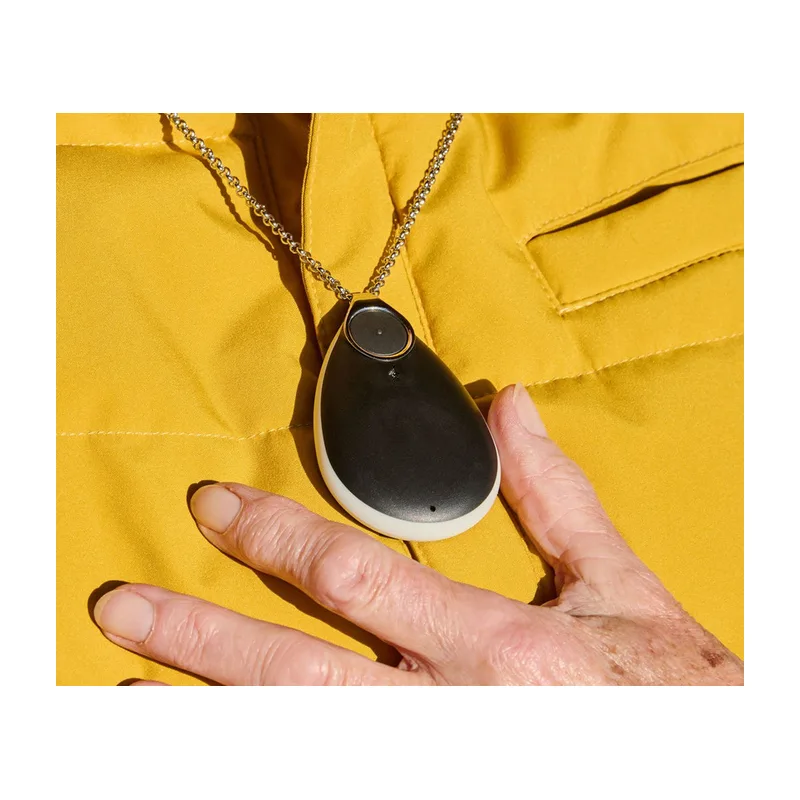
Pendants can be worn on a cord, a belt or a keyring, and the longest battery in this comparison belongs to a pendant. The Taking Care Anywhere is the obvious example. Cords need care, though: Which? lists a recall of Careline365's Q20 GPS pendant because its lanyard lacked a quick release break, so check that any cord you use will part under strain.
Taking Care and SureSafe both point to the shower as a likely place to slip, so water resistance is a practical question. The Taking Care Anywhere pendant is rated IP67, the MiniFinder Watch IPX7 and the MiniFinder Pico IP67, and all three can stay on in the shower according to their makers. SureSafe and Careline call their devices showerproof without giving an IP rating. Taking Care does not recommend wearing its watch in the bath or shower, despite an IP67 rating, which makes it a poor choice for someone who would take it off and forget it.
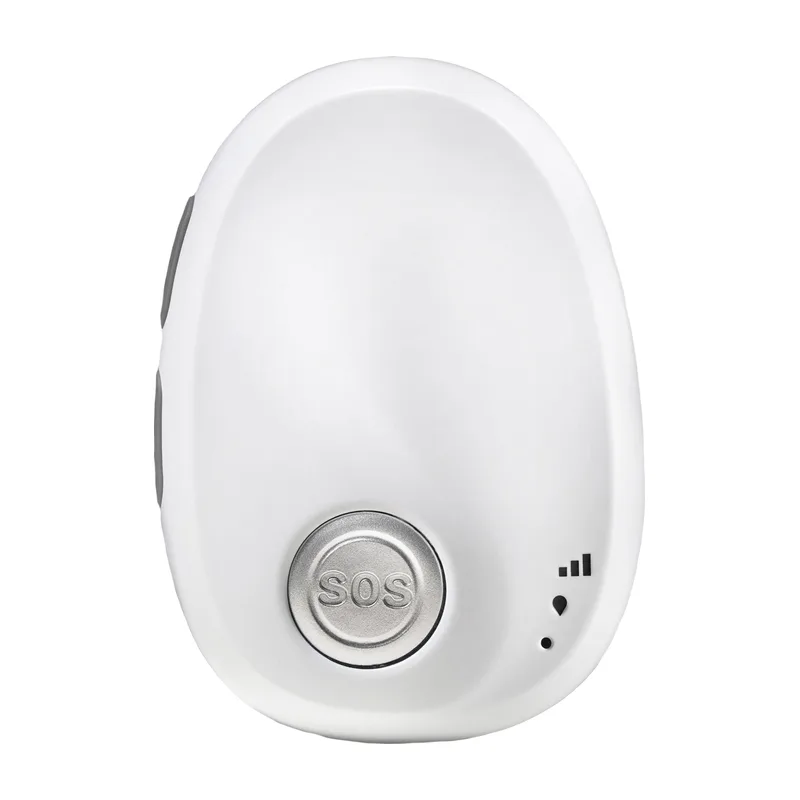
Weight is stated for six devices: 33 g for the Taking Care Anywhere pendant without its chain, 38 g for the MiniFinder Watch, 40 g for the Pico, 42 g for Taking Care's watch, 45 g for the SureSafeGO pendant and 56 g for the SureSafeGO watch with its strap. A keyring option like the Pico's is useful for active wearers, but an alarm in a coat pocket on the hook protects nobody.
Mobile signal matters more than GPS
Every alarm in this comparison needs a mobile signal to raise an alert; GPS only tells the operator or family where the wearer is. Careline puts it plainly: with no signal, no call is made and the team cannot see the location. Taking Care says its pendant works across the UK, excluding the Channel Islands, wherever there is a 3G or 4G signal, and Careline recommends 4G for faster connections.
Multi-network SIMs help. Taking Care's Anywhere and watch connect to the strongest available network, so a home where one operator is weak may still work. MiniFinder's devices use LTE CatM1 with a preinstalled SIM, and its plan table lists global coverage as a Premium feature without saying which countries Basic covers, so a UK buyer should confirm before relying on the cheaper plan. Before buying any of them, check coverage for the wearer's postcode, the garden and the routes they walk most.
Indoors, GPS struggles. Several providers fill the gap in different ways: the Taking Care Anywhere uses its base unit, SureSafe offers a home beacon, Careline includes a locator with its watch, and MiniFinder uses wifi or Bluetooth beacons, which it says also extends the battery. For a flat in a large block, a provider with an indoor aid will place the wearer more precisely.
None of these alarms uses the landline, so the switch from analogue to digital phone lines does not affect them. Which? warned in 2025 that some providers, including Careline365 and SureSafe, were still selling analogue only home alarms then, so if you are replacing an old home unit at the same time, make sure the new one is digital.
The contract matters most when circumstances change
A hospital stay, a move into care or a change of heart can all end the need for an alarm, and the providers here handle that very differently. Taking Care charges no cancellation fee and offers a 30 day money back guarantee on both its alarms. Careline's plans run for 12 months whether you pay monthly or annually. SureSafe's 24/7 plan is paid annually, with refunds only within the first 30 days, while its family watch credit plan can be cancelled with a full refund within 30 days.
MiniFinder sells the device outright, and its plans can be paid monthly at 12 euros on Basic or yearly at 120 euros, so a family that is unsure can start monthly and switch later. That flexibility costs 24 euros a year more than paying annually.
Warranty terms also differ. SureSafe gives a lifetime warranty on 24/7 plans but 12 months on the family watch, MiniFinder three years on both its devices, Taking Care repairs the rented Anywhere for as long as you subscribe, and its watch carries a 12 month warranty. Careline's guarantee period is not stated on its product page. If the wearer is likely to need the alarm for many years, a long warranty or a repair promise is worth more than a lower first year price.
One practical point applies to the annual plans: keep a note of the renewal date. SureSafe and Careline both state a higher price from the second year, and the time to ask about it is before that year starts, not after.