In depth: noise-cancelling headphones explained
Expert Reviews put the Sony and the Bowers & Wilkins side by side and the verdict split
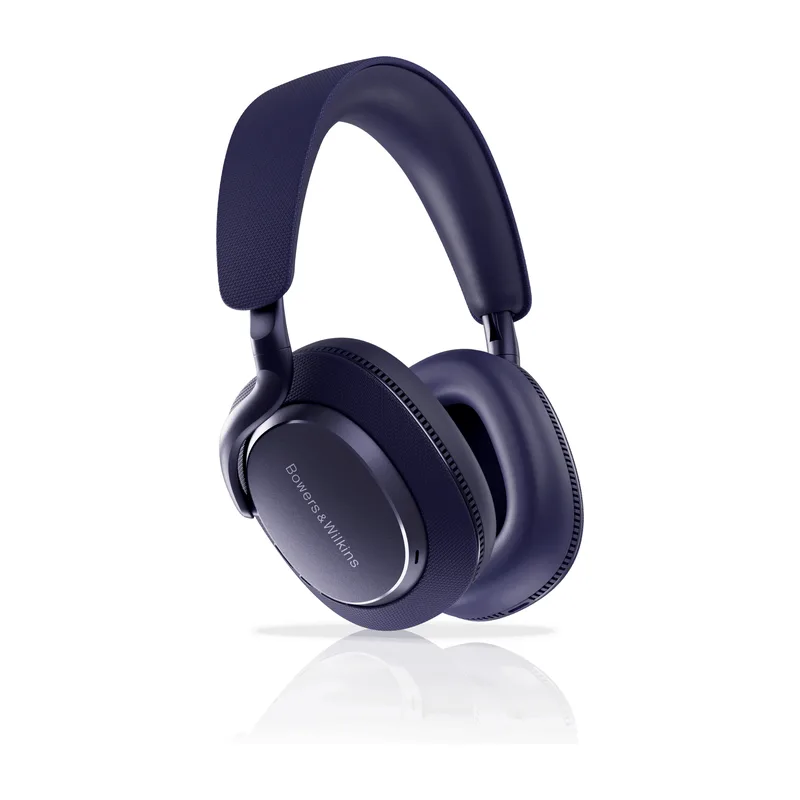
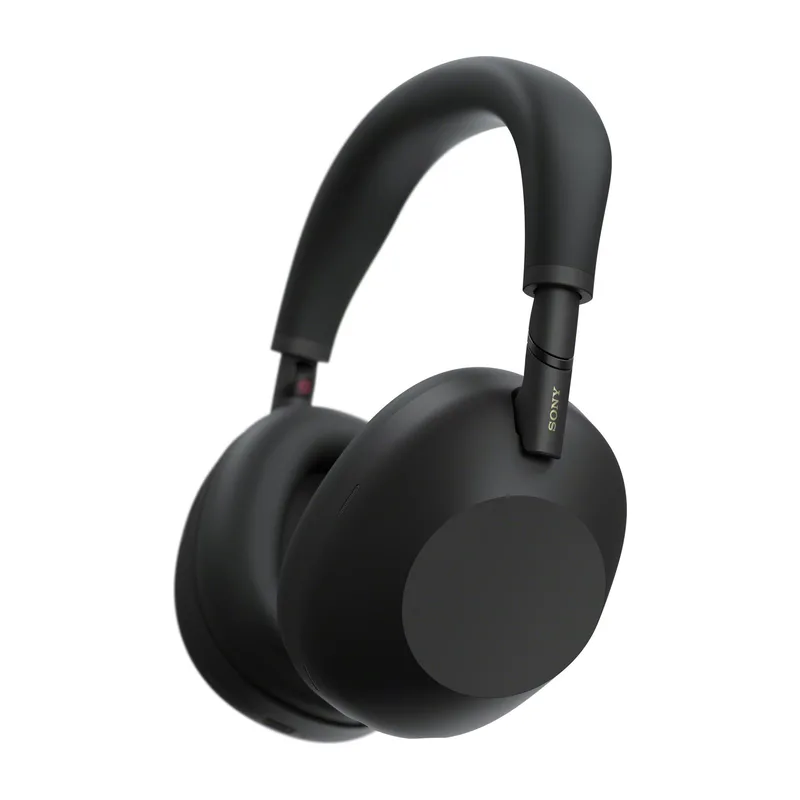
The most useful comparison in our sources is Expert Reviews' judgement of the Sony WH-1000XM6 against the Bowers & Wilkins Px7 S3. In its Sony review, the reviewer says the Sony cut out ambient noise slightly better than the Sonos Ace and clearly better than the Px7 S3. On sound, the same review calls the Sony less dynamic and more laid back than the Px7 S3 while still very enjoyable. In its Bowers & Wilkins review, the verdict runs the other way on sound: outstanding, among the best-sounding wireless over-ears the reviewer has heard, with improved but not best noise cancelling.
That split is why the two pairs sit apart in our ranking. Noise cancelling carries 25 points of the weighting and sound 20, so a pair with the best sound and middling noise cancelling lands below one that does both well. If you weight sound more heavily than we do, the Px7 S3 would move up, and the price gap of £101 is the other thing to weigh.
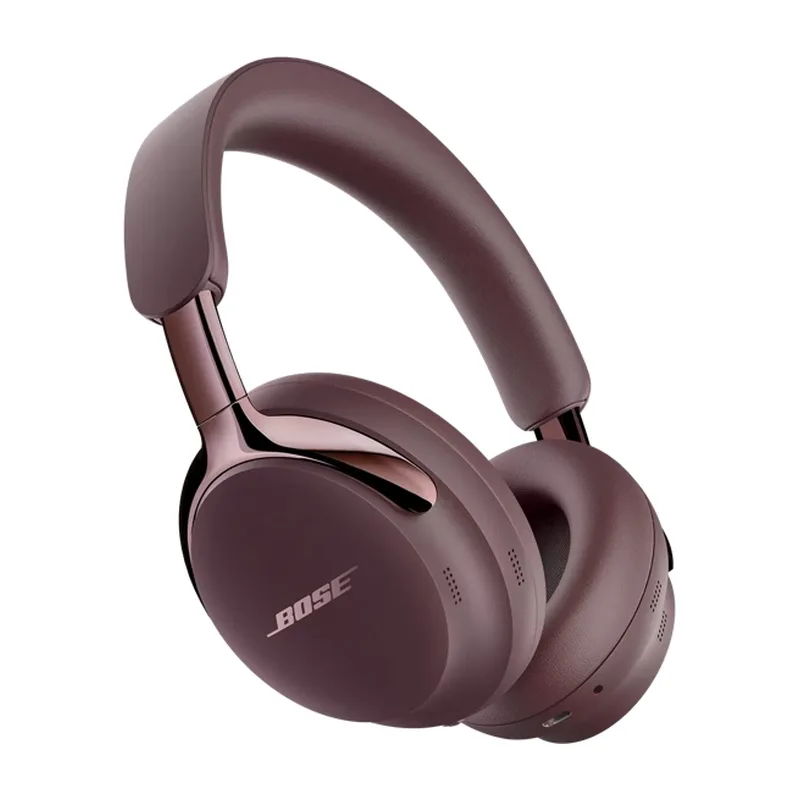
The Bose verdict adds a third view. In its review of the Bose QuietComfort Ultra Headphones (2nd Gen), Expert Reviews says cheaper rivals such as the Sony WH-1000XM6 and the Px7 S3 are equally compelling, and that the Bose mainly suits Bose loyalists, noise cancelling enthusiasts and fans of the purple colourway. That is a reviewer pointing readers to our first and fourth placed pairs, and it is part of why the Bose ranks second rather than first.
The verdicts range from about a year old to nearly four, and that shows in the scores
On the assessment date of 16 November 2026, the newest verdict is Expert Reviews' Bose review from October 2025, about a year old. The Sony WH-1000XM6 review is from May 2025 and the Bowers & Wilkins review from April 2025. TechRadar's Soundcore Space One Pro review is from September 2024, Expert Reviews' CH720N review from August 2023, and What Hi-Fi?'s Sennheiser review was first published in December 2022 and last updated in January 2025.
Age matters for two reasons. Firmware updates can change noise cancelling and app features after a review is published, and prices have moved since, with What Hi-Fi? noting the Sennheiser was tested at its £300 launch price and is often discounted. We did not discount older verdicts by a formula, but we scored the Sennheiser's sound and noise cancelling below the Sony and the Bose, partly because its review compares it with the Sony WH-1000XM5 rather than the current Sony.
The consequence for readers: the top two pairs rest on the freshest evidence. The third place, the Sennheiser, rests on the oldest, supported by 53 John Lewis reviews averaging 3.9. If you are weighing the Sennheiser against the Sony, ask whether a four-year-old verdict and a lower owner score are worth the £99 saving.
Three cheaper pairs make three different compromises
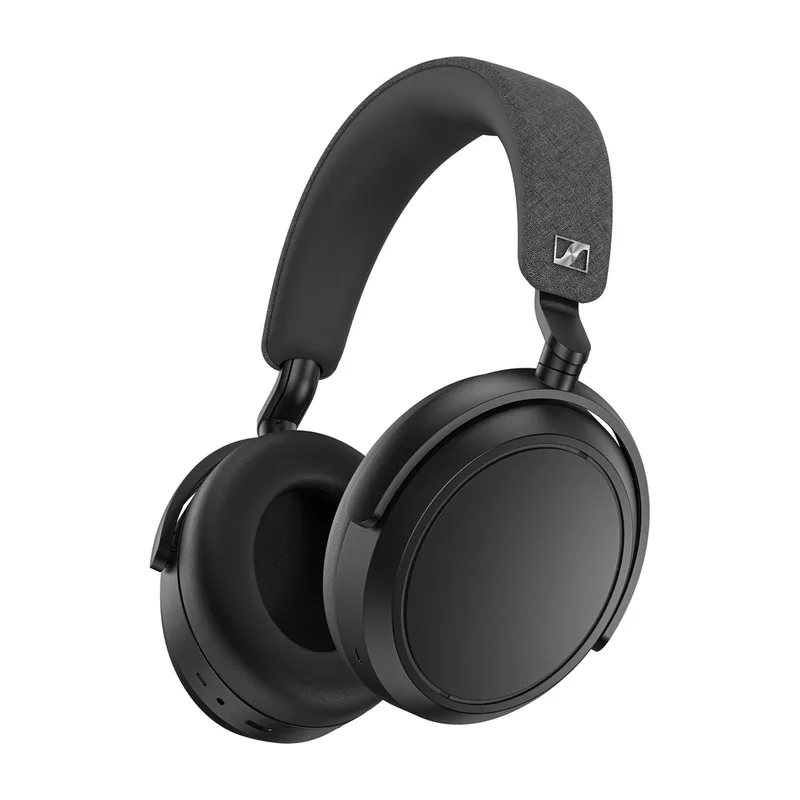
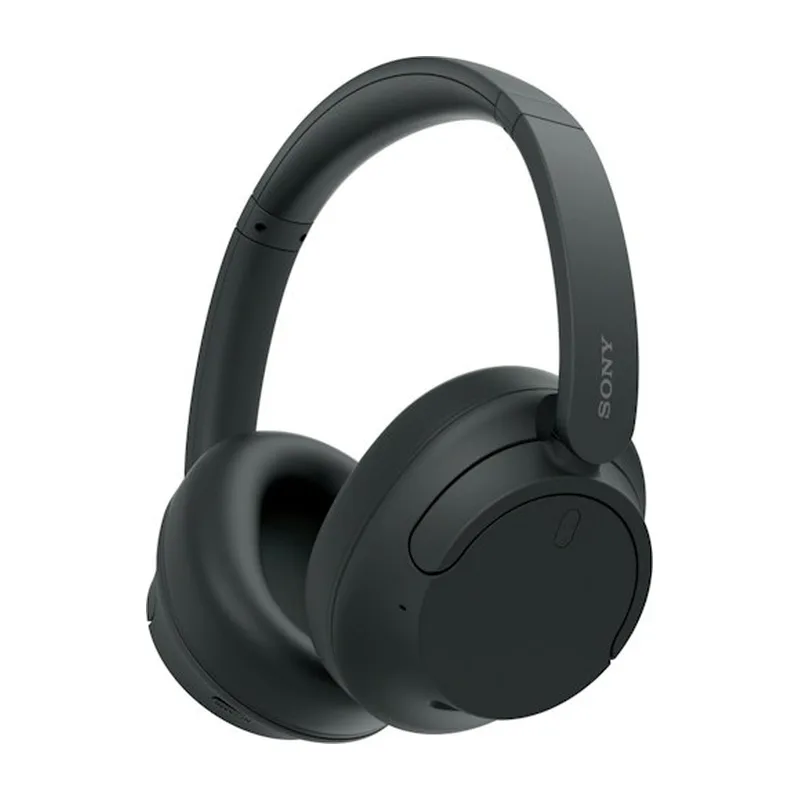
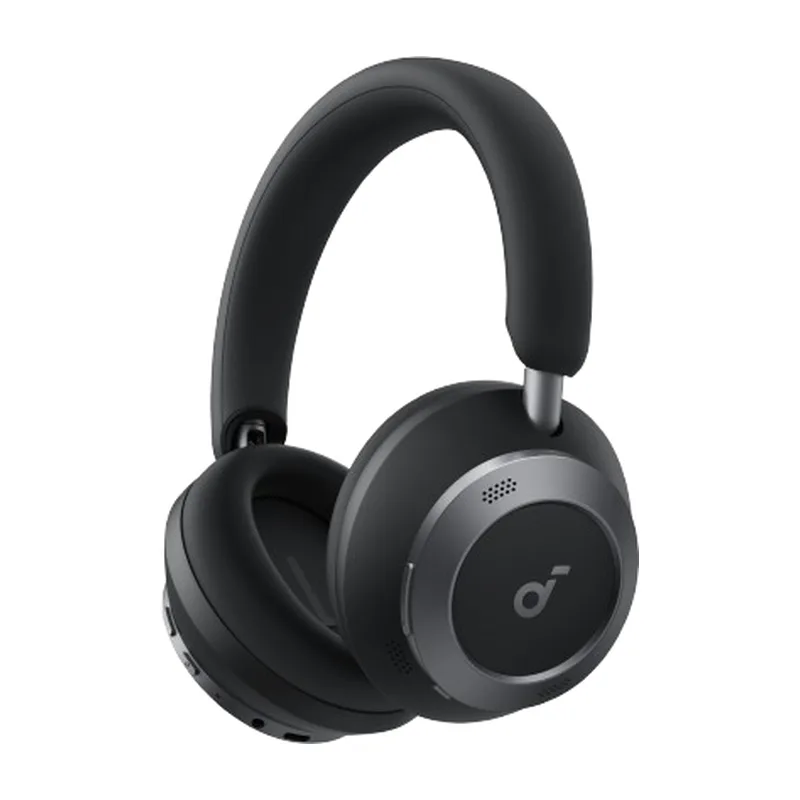
The Sennheiser Momentum 4 Wireless at £199, the Soundcore Space One Pro at £149.99 and the Sony WH-CH720N at £62.99 each give something up. The Sennheiser keeps strong noise cancelling and a 60-hour listing but loses folding earcups and has the lowest owner rating. The Soundcore keeps LDAC, multipoint and a 40-hour battery that TechRadar confirmed, but gives up some detail and noise cancelling against the dearer pairs, and has no review average on its page. The CH720N keeps weight and price but gives up microphone quality, a case and some noise cancelling in busy places.
Between the three, the gap from the cheapest to the dearest is £136.01. The step from the CH720N to the Soundcore is £87, and the sources we read describe a clear step up in noise cancelling, sound and features for that money. The step from the Soundcore to the Sennheiser is £49.01, and it buys the stronger noise cancelling verdict and 20 more hours of battery, but loses LDAC and the fold.
If you cannot decide, ask which compromise you will notice daily. A reader who commutes by train will notice noise cancelling most. A reader who flies and forgets chargers will notice battery most. A reader who carries headphones in a bag will notice fold and case most.
Buying guide: choosing the right noise-cancelling headphones
The best noise cancelling headphones are the ones that match your noisiest hour
Start with where the noise is. A commute on a loud train, an open-plan office and a flight are different problems, and the pairs here do not rank the same way for each. Expert Reviews compared the Bowers & Wilkins Px7 S3 with the Sonos Ace on a loud Underground train and found the Sonos blocked more, which is why the Px7 S3 sits fourth despite the best sound. For a steady rumble, the Sony WH-1000XM6 and Bose QuietComfort Ultra (2nd Gen) are the safer choices, because Expert Reviews describes the Sony as cutting out ambient noise well and the Bose as among the best available.
Pitch matters as well. TechRadar says the Soundcore Space One Pro blocks low-frequency noise well while higher-pitched sounds still get through, and Expert Reviews says the Sony WH-CH720N copes in a quiet office but is weaker in busier places. If your day is mostly engine hum and train rumble, a cheaper pair may be enough. If it includes chatter, announcements and clattering cutlery, the two leaders are where the money goes.
Where a pair does not suit: if you rarely face loud surroundings, none of the premium noise cancelling here is needed, and the £62.99 CH720N at John Lewis covers a quiet commute at a fraction of the cost. If you would prefer something that sits in the ear, our wireless earbuds comparison covers those separately, and we have left them out of this one.
Noise cancelling costs more than sound quality does
Look at what the extra money buys. The Sony WH-1000XM6 at £298 and the Bose at £309.99 are only £11.99 apart, and both get the strongest noise cancelling verdicts from Expert Reviews. The Bowers & Wilkins Px7 S3 costs £101 more than the Sony, and for that Expert Reviews offers better sound but weaker noise cancelling. If you value sound over silence, that trade may suit you. For most commuters it does not.
At the other end, the CH720N costs £235.01 less than the Sony. That buys working noise cancelling, 192 g and 35 hours, according to John Lewis and Currys, but Expert Reviews finds it weaker in busy places and the sound muffled in the upper mids on busy tracks. The Soundcore Space One Pro sits between, at £149.99, with noise cancelling that TechRadar calls strong for the price.
The Sennheiser Momentum 4 Wireless is the odd one out. At £199 it costs £99 less than the Sony, and What Hi-Fi? places its noise cancelling near the older Sony WH-1000XM5, with the Bose slightly ahead. If you can accept a verdict from 2022, that makes it the strongest value among the dearer pairs, but we cannot say how it compares with the newest Sony and Bose, because no reviewer we read set them side by side.
A battery claim is a ceiling, and the cost per hour tells you more
Every figure on this page is a claim by a manufacturer or retailer unless a reviewer says otherwise. The Sennheiser Momentum 4 Wireless lists up to 60 hours, and What Hi-Fi? says it needed only one charge during its testing. The Soundcore Space One Pro lists 40 hours with noise cancelling on, and TechRadar says its reviewer confirmed that. The Sony, Bose and Bowers & Wilkins all list 30 hours, and Bose adds that this drops to 23 hours with Immersive Audio switched on.
Dividing price by listed hours puts the claims on one scale. At the prices on 16 November, the Sennheiser comes to about £3.32 an hour and the Soundcore about £3.75. The CH720N, at 35 hours, works out at about £1.80. The Sony is about £9.93, the Bose about £10.33 and the Bowers & Wilkins about £13.30. The cheaper pairs charge less for their hours, but the sum ignores how well each pair blocks noise, so it should sit beside the noise cancelling verdicts, not replace them.
Quick charging matters when the battery runs out before the journey does. Bose lists 2.5 hours from a 15-minute charge, Sony lists about an hour from three minutes for the CH720N, and Soundcore lists about eight hours from five minutes. Expert Reviews reports Sony's claim of up to three hours from three minutes for the WH-1000XM6 without saying it checked. Where a long battery does not suit: if you charge every night anyway, the extra hours are worth less than the noise cancelling the dearer pairs offer.
Codecs only help if your phone can use them
Bluetooth codecs decide how much detail survives the wireless link, but the phone must support the one the headphones use. According to Expert Reviews, the Sony WH-1000XM6 supports SBC, AAC and LDAC, and LDAC works only with Android phones. The Soundcore Space One Pro is similar: Soundcore says LDAC is available through its app on Android, not on iOS, and not while two devices are connected at once. The Bowers & Wilkins Px7 S3 supports aptX Lossless, but Expert Reviews says Apple devices cannot use it, so iPhone owners get a USB-C cable for wired high-resolution listening instead.
The Bose lists aptX Adaptive, and so does the Sennheiser, according to Expert Reviews and John Lewis respectively. The CH720N lists only SBC and AAC, according to Expert Reviews. For an iPhone, that points to AAC as the practical ceiling for wireless listening, and the Bose, Sony and Sennheiser differ more in noise cancelling, comfort and battery than in how music reaches your ears.
Where this does not matter: most streaming services compress music, so a codec ceiling rarely changes everyday listening. It matters most if you use lossless or high-resolution tracks and own a compatible Android phone, in which case the Sony, the Bowers & Wilkins and the Soundcore are the pairs to look at.
A 4.9 from 30 reviews is worth less than a 4.6 from 2,610
Owner ratings carry weight in our model, but only with their sample size. The Bowers & Wilkins Px7 S3 has the highest average here, 4.9 out of 5, from 30 reviews at John Lewis. The Sony WH-CH720 has 4.6 from 2,610, the Bose 4.6 from 529 and the Sony WH-1000XM6 4.6 from 341. The Sennheiser has 3.9 from 53, and the Soundcore shows 187 reviews at Soundcore UK with no average.
A small sample can be pulled up or down by a handful of buyers, so we score the Px7 S3 below the Bose and Sony even though its average is higher. We also did not read individual comments, so we cannot say what pulled the Sennheiser's average down, only that it is the weakest rating on the page and that the What Hi-Fi? verdict is positive. Where owner ratings and a reviewer disagree, we show both and let the score fall between them.
These ratings come from one retailer for five of the six pairs, and John Lewis customers are not a random sample of all buyers. A fair reading is that the Sony, Bose and CH720N have enough owner feedback to count, the Sennheiser and Bowers & Wilkins have enough to note, and the Soundcore has an unknown average.
Calls and multipoint are where the trade-offs hide
Call quality gets little space in spec sheets. Expert Reviews tested the Sony WH-1000XM6's microphone with aircraft noise played in a kitchen and found voice pickup fine up to about 77 dBA, distorting above that, and poor around 87 dBA, with the Sonos Ace doing better. Expert Reviews says the Bose is a clear improvement on its predecessor, with a clear voice on a busy London street. For the CH720N it calls the microphone average at best, with crackly recordings.
Multipoint lets a pair stay connected to two devices, such as a phone and a laptop. John Lewis lists it for the Sony WH-1000XM6 and the CH720, Expert Reviews lists it for the Bose, and Soundcore lists it for the Space One Pro. We found no multipoint statement for the Bowers & Wilkins, so we record it as not stated rather than assume. What Hi-Fi? says the Sennheiser connects to several devices at once. If you move between a work laptop and a phone all day, check that before buying either.
A pair that does not suit a heavy call user is the Sony at the top of this list. If you spend hours a day on calls in loud places, the Bose's call verdict is the better fit, even though the Sony wins on price by £11.99.
Fold, case and build decide how often they leave the house
A pair you leave at home blocks no noise. The Sony WH-1000XM6 now has earcups that fold flat, according to Expert Reviews, which helps when wearing them round the neck. The Bowers & Wilkins folds flat but not compactly, according to the same reviewer, and the Sennheiser lacks folding earcups, according to What Hi-Fi?. The CH720N has no fold and no carrying case, and Expert Reviews recommends the Anker Soundcore Q30 for readers who want one or both, though we did not research that model.
Build is the other half. Expert Reviews calls the Bose plasticky for the price and the CH720N lightweight plastic that feels cheap. TechRadar finds the Soundcore chunky with disappointing buttons. The Bose costs £247 more than the CH720N, so a plastic build comment weighs more against it, since buyers at that price expect a finish to match.
Where this does not matter: if the headphones live on a desk, fold and case are irrelevant and comfort for long sessions becomes the deciding factor, where the Sennheiser and the Sony come out best in the sources we read.
Frequently asked questions
What are the best noise cancelling headphones in the UK?
In our comparison the Sony WH-1000XM6 is our top pick at £298 at John Lewis, because Expert Reviews says it just edges out its rivals overall, with a slight lead on noise cancelling. The Bose QuietComfort Ultra (2nd Gen) is a close second for noise cancelling, and the Sennheiser Momentum 4 Wireless is the choice for battery life. The ranking covers six wireless over-ear pairs.
Are the Sony WH-1000XM6 worth the extra over the Bose?
The Sony costs £11.99 less than the Bose at John Lewis, so the Bose is the dearer pair. Expert Reviews rates both highly for noise cancelling, says the Bose build is plasticky for the price, and finds the Sony weaker on calls in very loud places. The Bose has more owner reviews, 529 against 341, and the same 4.6 average. Choose the Bose for calls and the Sony for the lower price.
Which noise cancelling headphones have the longest battery life?
The Sennheiser Momentum 4 Wireless lists up to 60 hours, and What Hi-Fi? found it needed one charge during its testing. The Soundcore Space One Pro lists 40 hours with noise cancelling on, a figure TechRadar's reviewer confirmed. The CH720N lists 35 hours and the Sony, Bose and Bowers & Wilkins list 30. These are listed claims, and the Bose figure falls to 23 hours with Immersive Audio.
What is the best budget noise-cancelling headphone?
The Sony WH-CH720N is our budget pick at £62.99, with 4.6 out of 5 from 2,610 reviews at John Lewis. Expert Reviews says its noise cancelling is effective in quiet places but weaker in busy ones, and finds the microphone only average. If you can stretch to £149.99, TechRadar rates the Soundcore Space One Pro's noise cancelling as strong for the price.
Do noise-cancelling headphones work on trains and planes?
Yes, but not equally. Expert Reviews compared the Bowers & Wilkins Px7 S3 with the Sonos Ace on a loud Underground train and found the Sonos blocked more. It found the Sony WH-1000XM6 slightly ahead of the Sonos Ace on ambient noise. None of the verdicts we read compares these pairs on a plane, so we cannot rank them for flying specifically.
Do I need LDAC or aptX for wireless headphones?
Only if your phone supports the codec. According to Expert Reviews, LDAC on the Sony WH-1000XM6 works only on Android, and the Bowers & Wilkins aptX Lossless is not available on Apple devices. Soundcore says its LDAC works on Android through the app only. For an iPhone, AAC is the likely ceiling for wireless listening.
Can I use these headphones with a cable?
Yes for most. John Lewis lists a 3.5 mm jack and USB-C for the Sony WH-1000XM6, and Bose lists USB-C audio. Expert Reviews says the Bowers & Wilkins includes a USB-C cable and a USB-C to 3.5 mm cable, TechRadar lists an AUX input on the Soundcore, and What Hi-Fi? says the Sennheiser can play wired with no battery. We did not find a wired option stated for the CH720N.
Which pair is best for calls?
Expert Reviews says the Bose is a clear improvement on its predecessor for calls and sounded clear on a busy London street. It found the Sony's voice pickup fine up to about 77 dBA but poor around 87 dBA. It calls the CH720N microphone average at best. What Hi-Fi? gives the Sennheiser four out of five for call quality. The Bowers & Wilkins and Soundcore have no call verdict in our sources.
Which noise-cancelling headphones are best for an iPhone?
None of these pairs offers wireless hi-res audio on an iPhone according to the sources we read, since LDAC and aptX Lossless are not available on Apple devices. The Bowers & Wilkins includes a USB-C cable for wired high-resolution listening on iPhones, according to Expert Reviews. We left out Apple's AirPods Max because John Lewis lists them as no longer available online.
Does ProductPick run its own tests of these headphones?
No. ProductPick does not run its own tests. The ranking compiles verdicts from Expert Reviews, What Hi-Fi? and TechRadar, owner reviews at John Lewis, and manufacturer and retailer specifications, and each source is named where it is used. Prices were checked on 16 November 2026 and change often, so check the price at the retailer before buying.
Do cheaper noise cancelling headphones block as much noise as expensive ones?
Not in the sources we read. Expert Reviews says the Sony WH-CH720N is effective in quieter settings but weaker in busier places, and TechRadar says the Soundcore Space One Pro lets higher-pitched sounds through while blocking low-frequency noise well. The Sony WH-1000XM6 and the Bose are described as among the strongest. The Sennheiser, at £199, is the exception: What Hi-Fi? rates its noise cancelling as very good.
Why is the Px7 S3 ranked below the Sennheiser when its sound is better?
Noise cancelling carries 25 points of our weighting and sound 20, and price carries 15. Expert Reviews rates the Bowers & Wilkins sound as outstanding but its noise cancelling as short of the best, and it costs £200 more than the Sennheiser, which lists twice the battery life. If sound matters most to you, the Px7 S3 is our best for sound pick.