In depth: car gps trackers explained
What Car? and Auto Express measured different things
What Car?'s 2025 group is the more detailed of the two freely readable reviews. Its team registered and fitted each tracker, drove to known locations to compare reported and real positions, parked under trees in a rural valley to check accuracy, and ran simulated thefts, timing how long each alert took. The Monimoto 9 scored 4 out of 5 with a response of 85 to 90 seconds; the earlier AirTag scored 2 out of 5.
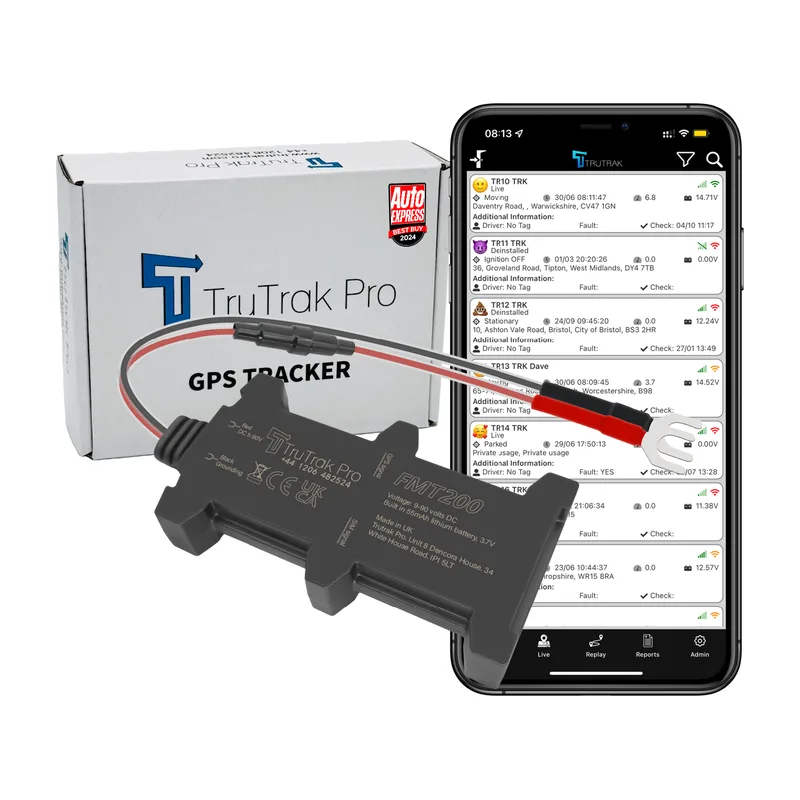
Auto Express in 2024 fitted its trackers, drove into areas with patchy mobile coverage and scored value, accuracy, speed and ease of use. The FMT200 won with five stars, praised for being smaller, cheaper and more advanced than earlier self install trackers, and the AirTag scored 3.5 stars as a backup. Neither review gives update intervals or accuracy in metres, so the scores here rest on their rankings and descriptions rather than measured numbers.
The two reviews overlap only on the AirTag, and both used the earlier model. That makes the FMT200 and the Monimoto 9 each a single source result, which is worth knowing when you weigh our top two against each other.
Both groups also left models out that appear here. Neither assessed either MiniFinder tracker, and Auto Express did not include the Monimoto 9. That gap is the main reason the confidence behind each placing differs, and it is spelled out in the section on what this comparison does not cover.
FMT200 or Monimoto 9: the choice comes down to wires
Over two years the FMT200 costs £127.97 and the Monimoto 9 £227, a difference of £99.03 that shrinks by £20.99 a year afterwards. For that the Monimoto gives you a wireless device you can hide anywhere in minutes, a phone call when the car moves without its fob and an IP68 rating. The FMT200 gives you permanent power, a UK based platform and the lower bill.
If you can loosen a battery terminal or know someone who can, the FMT200 is the better value and the higher scorer here. If the car's battery is hard to reach, if the car stands for months, or if you also want to protect a motorcycle with the same system, the Monimoto 9 is the more practical choice and the one with the more useful theft warning.
Some owners use both approaches at once: a wired FMT200 as the main tracker and a Monimoto 9 hidden elsewhere for its phone call alert. Over two years that costs £354.97 in total, more than either alone but with permanent power and a phone call alert in the same car.
Two MiniFinder trackers for two very different jobs
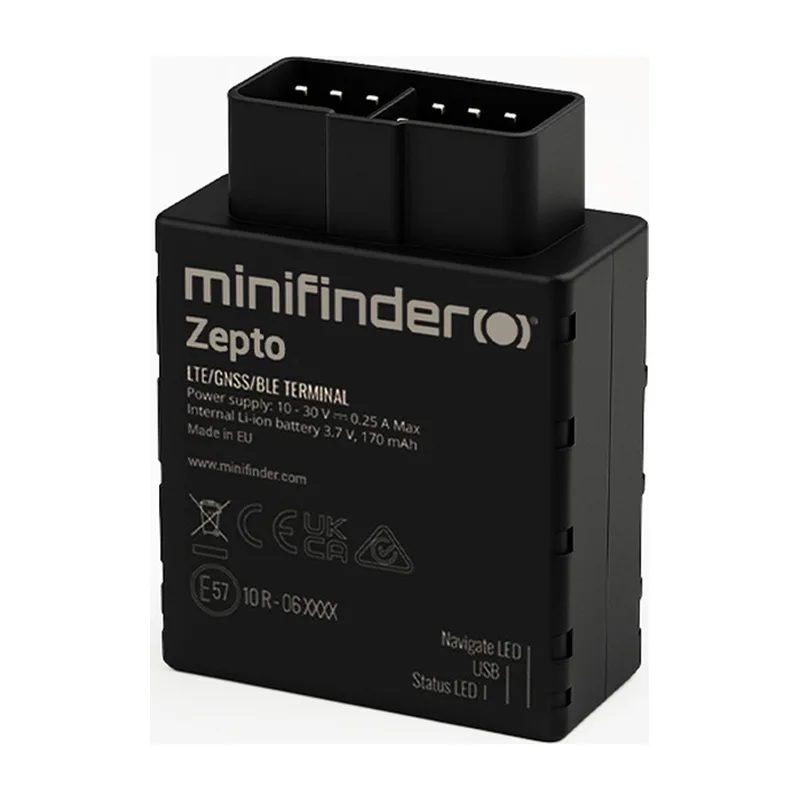
The Zepto and the Xtreme share an app maker and a euro billed plan structure, but little else. The Zepto is a car tracker in the everyday sense: it plugs into the OBD socket, takes power from the car, logs trips for a mileage record and warns you if it is pulled out. Its plans include worldwide coverage on every tier, and MiniFinder backs it for five years.
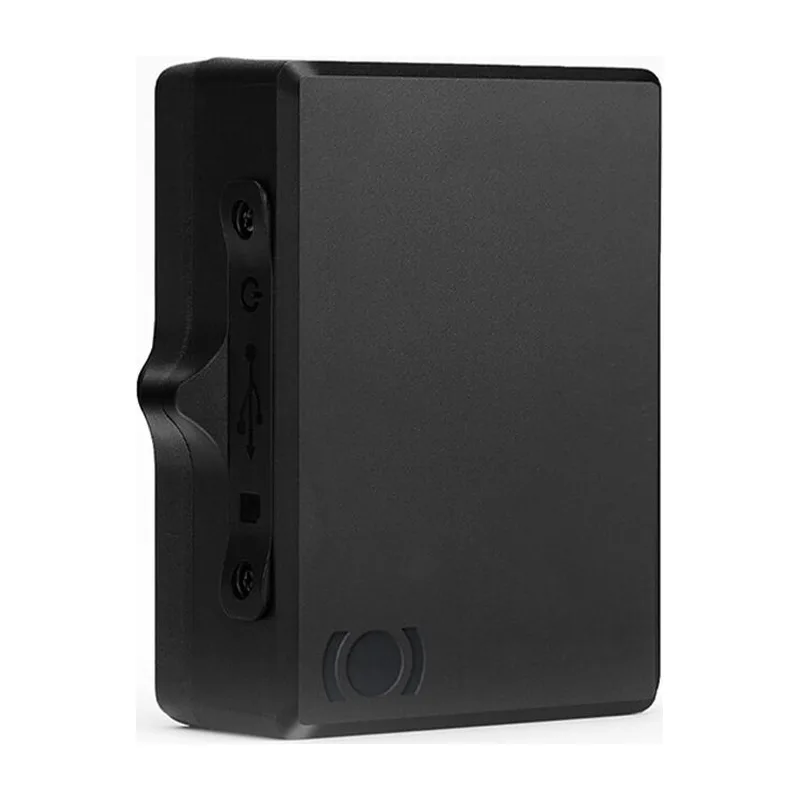
The Xtreme is an asset tracker. Its 290 g case, magnet and six year battery suit a caravan, a horsebox, a trailer or a boat, things that sit unattended for months and have no power of their own. On a daily car it is overkill, harder to hide than a 58 g Monimoto 9, and its Basic plan does not include global coverage according to MiniFinder's own table.
That is why the Zepto ranks above the Xtreme here despite the Xtreme's battery advantage. Both rest on MiniFinder's specifications and on reviews in MiniFinder's own shop, 12 for the Zepto and 20 for the Xtreme, so a published independent review of either could change their positions at the next update.
Looking after a tracker so it keeps reporting
Most failures are not hardware faults but lapsed plans and flat batteries. Set a calendar reminder for top ups on pay as you go trackers like the FMT200, because a lapsed account stops reporting. Battery trackers need the same discipline: the Monimoto 9 warns you when its battery is low, and Apple's Find My app tells you when an AirTag battery needs replacing.
Guarantees vary widely. MiniFinder gives five years on the Zepto and three on the Xtreme, Monimoto two years, and TruTrak does not state a period on the FMT200 page. Keep the proof of purchase, and check after any battery or electrical work on the car that a wired tracker is still connected.
Buying guide: choosing the right car gps tracker
The tracker is cheap; the years of service are what you pay for
Prices on the box are misleading in this category. The FMT200 costs £7.99, less than a takeaway, because TruTrak earns its money on top ups: £5.99 for a month, £59.99 for a year, £169.98 for three. Over two years the device is about 6 per cent of the total. The Monimoto 9 turns this around with a £149 device and a £39 yearly fee, and the two converge only after several years.
Prepaying for longer saves money if you are sure you will keep the car. TruTrak's three year top up works out at £4.72 a month against £5.99 for a single month, and MiniFinder charges 144 euros for two years of Zepto service against 9 euros a month on the rolling plan. If you might sell the car within a year, a monthly top up costs more but leaves you free to move the tracker or stop paying.
The AirTag is the only model with no running cost at all, and it is a backup, not a tracker in the same sense. It cannot tell you the car has moved, only where the last passing iPhone saw it. If you buy one, budget for a proper tracker as well rather than instead.
A quick way to compare is to add the device price to two years of the cheapest plan. On that basis the FMT200 comes to £127.97 and the Monimoto 9 to £227, while the MiniFinder pair add euro plans to pound prices: £85 plus 144 euros for the Zepto, £150 plus 168 euros for the Xtreme. Only the AirTag stays at its shelf price, which is exactly why it cannot do the same job.
A phone call beats a push notification at three in the morning
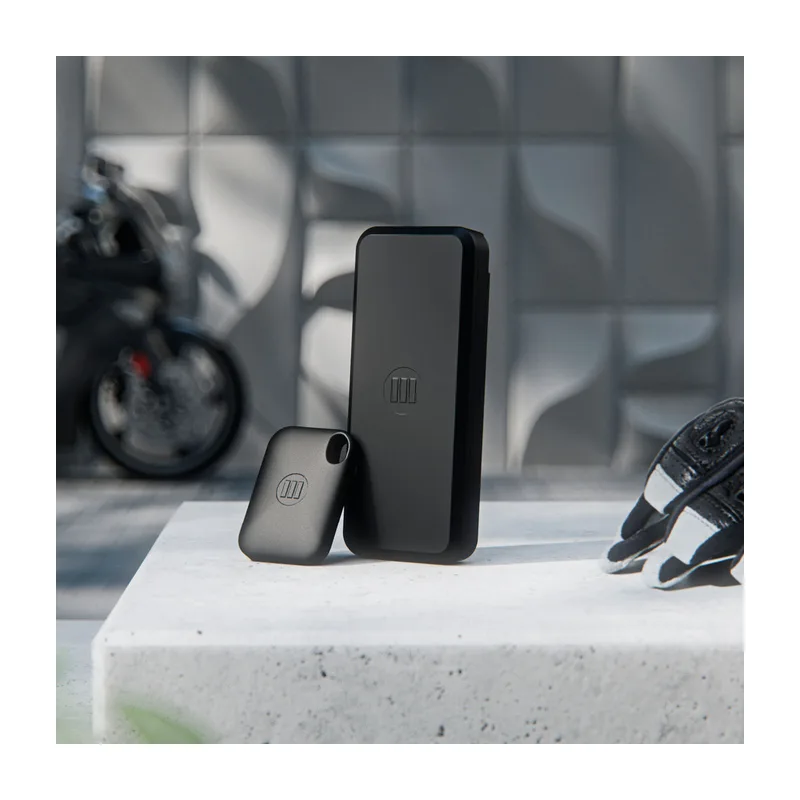
Most trackers alert you with an app notification, and at night a notification is easy to sleep through. The Monimoto 9 rings your phone when the car moves without its key fob, and What Car? named it best for theft alerts after a simulated theft drew a response in 85 to 90 seconds. That is the single feature that most separates it from the FMT200, which relies on geofences and app alerts.
Key fobs matter because they tell the tracker who is driving. Without one, every trip triggers a movement alert unless you switch alerts off when you drive, and What Car? notes that geofence alerts become a nuisance without fobs. The Monimoto ships with one fob and extras cost £30 according to What Car?, so a household with two regular drivers should add that to the price.
The MiniFinder trackers warn you when the device is unplugged or removed, which catches a thief who finds the Zepto in the OBD socket. It does not stop the theft, but it tells you to act and shows the last position. The AirTag has no alert of its own at all.
Alert settings deserve ten minutes after fitting. Most apps let you set quiet hours, choose who receives alerts and decide whether movement, ignition or removal triggers a warning. A tracker that alerts on every trip soon gets muted, and a muted tracker is no protection at all, so tune it until it only speaks up when something is wrong.
Where you hide it decides how long it stays on the car
A thief who knows trackers checks the obvious places first: the OBD socket under the dashboard, behind the battery and the boot lining. The Zepto lives in the OBD socket by design, which makes fitting effortless and finding it equally easy. The FMT200 goes wherever its wires reach from the battery, which gives you more choice, and the battery powered Monimoto 9 and Xtreme can go almost anywhere.
Size and waterproofing set the limits. At 58 g and IP68 the Monimoto 9 fits inside trim panels or under seats, while the Xtreme's 290 g and magnet suit a chassis rail or the inside of a trailer frame. TruTrak warns that the IP65 FMT200 is not suitable for mounting under a vehicle, and the Zepto's waterproof rating is not stated, so keep both inside the cabin.
Two trackers in different places are harder to defeat than one. A cheap AirTag hidden separately from a GPS tracker gives a second chance if the main unit is found, and that combination costs less over two years than a single Monimoto 9.
Think about access for yourself too. The Monimoto 9 needs a charge about once a year and the AirTag a new battery once a year or so, so do not bury either behind a panel you cannot remove without tools. The wired FMT200 and plug in Zepto can go somewhere awkward, because you will rarely need to reach them again.
Wired trackers never go flat, but they can drain an idle car
Permanent power is the FMT200's biggest advantage: once connected it never needs charging, and it reports for as long as the car battery holds. The Zepto draws power from the OBD port in the same way, with a 170 mAh backup battery for when it is unplugged. Neither model's standby draw is stated by its maker, which matters if the car stands for weeks at an airport or over winter.
Battery trackers avoid that risk at the cost of a charging routine. The Monimoto 9 lasts up to 12 months per charge and charges in about 1.5 hours over USB C, according to Monimoto, so an annual reminder is enough. The Xtreme's quoted six years makes it the only realistic choice for a car or trailer that is left untouched for long stretches.
For a daily driver, a wired or OBD tracker is the low maintenance option. For a weekend classic in a lock up, the battery models make more sense, because a dead car battery would also silence a wired tracker.
Electric and hybrid cars add a twist: the 12 V battery that powers a wired or OBD tracker is often small, and a car left unplugged for weeks may have little to spare. In that situation a self powered tracker such as the Monimoto 9 avoids the question entirely, at the cost of the yearly charge.
Euro billed plans are harder to compare than the shelf price suggests
MiniFinder sells its trackers in pounds in its UK shop, £85 for the Zepto and £150 for the Xtreme, but quotes every plan in euros on the same pages. The Zepto's two year plan is 144 euros and the Xtreme's Basic plan 84 euros a year. What you pay in pounds depends on the exchange rate and your card's foreign currency fee on the day, which is why we have not converted them.
Plan contents also differ. All three Zepto plans include worldwide coverage, while MiniFinder's table for the Xtreme marks global coverage, the web portal and priority support as Premium only, at 108 euros a year. Which countries Basic covers is not stated, so a UK buyer should confirm coverage with MiniFinder before choosing the cheaper plan.
TruTrak and Monimoto publish pound prices that include VAT, which makes their totals easy to check. If predictable costs matter to you more than features, that alone is a reason to start with them.
Renewals are the other thing to watch. A prepaid plan that renews automatically in a foreign currency can arrive on your statement at a different amount each year. Note the renewal date and check the amount when it is taken, whichever tracker you choose.
An AirTag is a backup, not a replacement for GPS
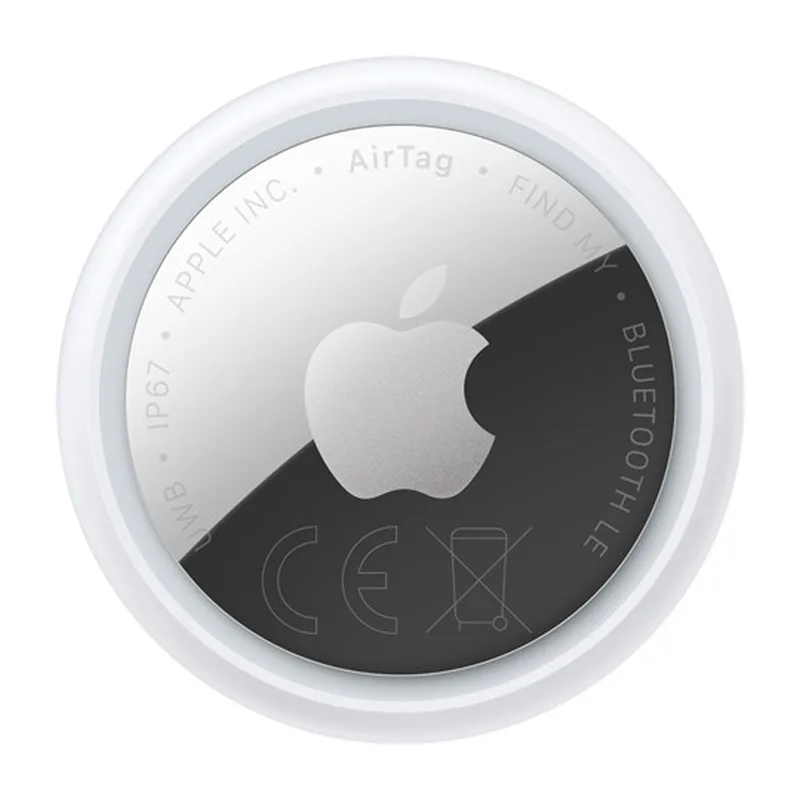
Apple's tag has no GPS receiver and no SIM. It works by being detected by nearby Apple devices, which report its location anonymously. In a city that can be fast; on a quiet lane or in a container, it may not update at all. What Car? found the earlier model's position hundreds of metres out until the app was reopened, and Auto Express rated it best as a backup to another tracker.
Apple's anti stalking protection cuts both ways for a car. An AirTag travelling with someone who does not own it eventually alerts their phone, which can tell a thief there is a tag on board. What Car? lists that thieves can find and disable it. It also needs an iPhone, so it is no use in an Android household.
Where it earns its place is as a second, hidden layer at £29 with nothing to pay afterwards. Paired with a proper GPS tracker it covers the case where the main unit is found and removed.
Other Bluetooth tags work the same way on different networks, and they share the same limits: no GPS, no movement alert and no position unless a compatible phone passes. For a car, any tag of this type belongs in the backup role.
Live tracking every few seconds is rarely what a car needs
Pet and child trackers sell on live updates every few seconds, but a parked car spends almost all its time still. What matters is how quickly the tracker notices movement and how often it reports once the car is on the move. The Monimoto 9 reports every five minutes in alarm mode and every minute with live tracking on, which is enough to follow a car across a town but not a quick getaway down a motorway.
Neither TruTrak nor MiniFinder states an update interval for the FMT200, Zepto or Xtreme, so the only interval on record in this comparison is Monimoto's. Auto Express and What Car? describe the trackers in terms of alert speed and accuracy rather than refresh rate, and the fastest theft alert What Car? timed in its group came in under a minute. For a stolen car, an alert inside two minutes and a position every minute while moving is a sensible bar.
Longer intervals are how battery trackers last. The Xtreme's six years and the Monimoto's 12 months are only possible because they sleep most of the time. If you want the car's route traced continuously for business mileage, a powered tracker like the Zepto or FMT200 is the better fit.
Fast intervals also cost battery and data. That is why TruTrak, which draws from the car, can afford to report freely while the Xtreme reports sparingly. Match the tracker's reporting to how you use the car rather than chasing the shortest interval on a spec sheet.
Tracking is not the same as getting the car back
Every tracker here shows you where the car is; none of them recovers it. TruTrak's and MiniFinder's systems put the position on your phone, and you then call the police. Monitored services that work directly with the police, such as those certified to Thatcham standards and often asked for by insurers on high value cars, are a different and more expensive product category with installation and monitoring fees.
For most private cars, a self install tracker gives the police a location to act on and costs a fraction of a monitored system. If your insurer requires a specific certified tracker, none of the five here will satisfy that condition, so check your policy before buying.
The quality of alerts matters most in the first minutes. A tracker that rings you, like the Monimoto 9, or sends a removal warning, like the Zepto, buys you time to report the theft while the car is still close.
Keep the details the police will ask for in one place: registration, make and colour, a recent photo and the tracker's app login. When the alert comes, report the theft first and share the live position second. Trying to recover a car yourself puts you at risk and is not something any maker here recommends.